 Login / Register
 Cart
 Quote
 Wishlist

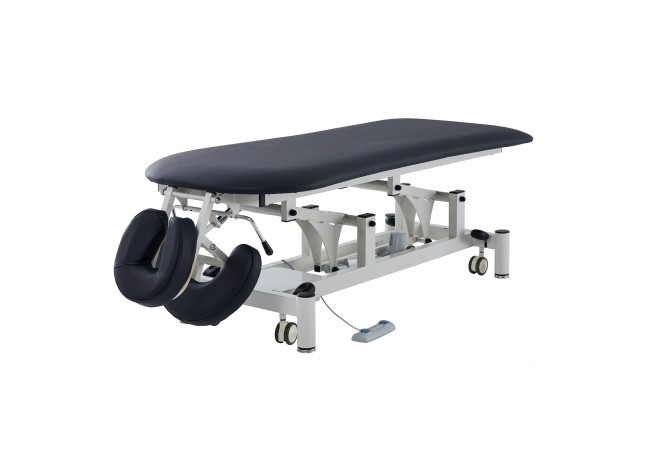
Opening a physiotherapy or rehab practice becomes real the moment you stand in an empty room and realise you have to fill it. There’s treatment tables,electrotherapy, exercise gear, assessment tools, and consumables: the list of physiotherapy equipment you could buy is long, and as a single practitioner, every item is your call.
The good news is you don’t need all of it on day one. This guide covers what to buy first, what to add as your caseload grows, and what can safely wait, so you open with a clinic that works without stocking up on gear you won’t touch for months.
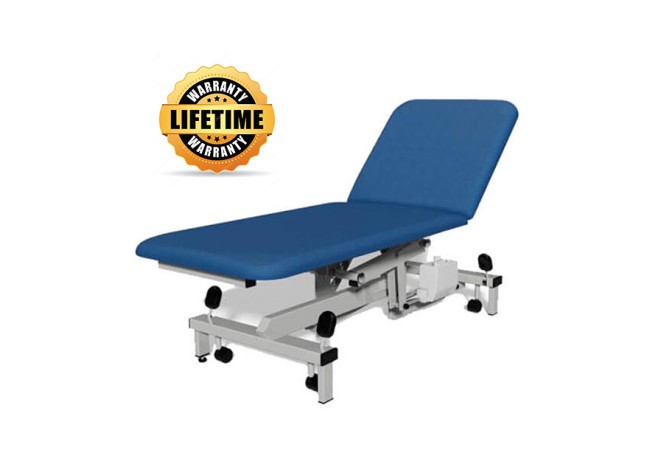
The treatment table is arguably the most important piece of equipment in a physiotherapy practice. It is where the patient will lie while receiving diagnosis and treatment. There are many different styles of treatment tables to fit your budget.
A 2-section table is the basic style and is great for general assessments. It is a simple design with an adjustable head section and a fixed lower section.
The 3-section table is perfect for advanced positioning, prone or seated work. The extra break in the middle of the table allows for flexible knee work and elevated back work.
Mat tables are extra wide and lower to the ground. They’re used for large-scale exercises, neurological rehab or paediatric work.
Some tables can have their height adjusted as well. Electric hi-lo tables raise and lower with a foot switch or hand control. That makes it easier for patients with limited mobility to get on, and lets you set a comfortable working height to reduce strain.
A hydraulic table uses a foot pump to raise and lower the bed. They can cost less than an electric bed but require some physical exertion.
The third option is a fixed height bed. It is the most affordable but if the height is a little awkward for your posture while working, it can become difficult over a long shift.
Some extras and key features you need for your treatment table include:
Treatment is only half of what happens in a physiotherapist’s clinic. Exercise prescription is a big part of recovery, and you’ll need the equipment available for the patient to practise with. You don’t need a full gym setup, but you will need some critical items of equipment.
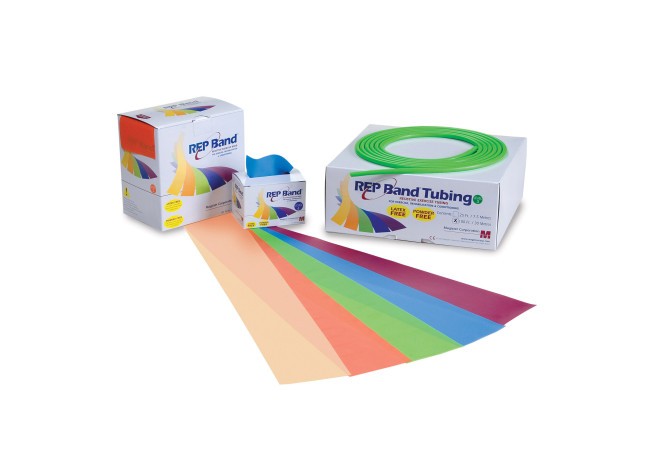
Resistance training equipment is the easiest place to start. Resistance Bands and dumbbells take up little space but have a big impact with patients. You can easily move a patient along from gentle activation exercises to strength and mobility work.
Resistance bands are colour-coded by resistance, so you can progress a patient through levels with one compact piece of equipment. There are many exercises you can do with a simple Resistance Band, and they take up so little room when stored.
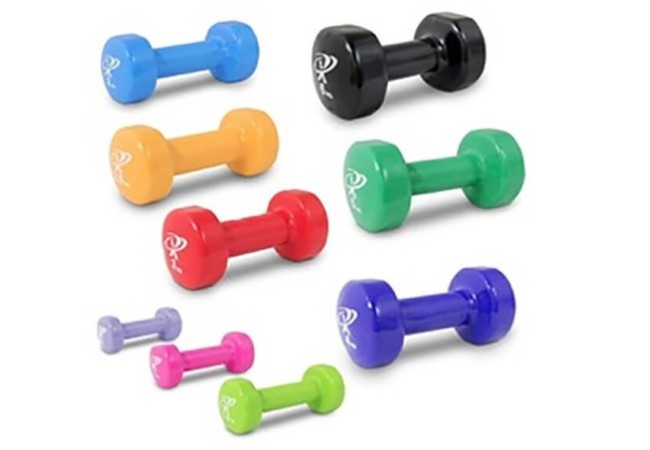
Dumbbells and kettlebells are also essential rehab equipment. A set of light to moderate weights can help and progress patients along a strength regime.
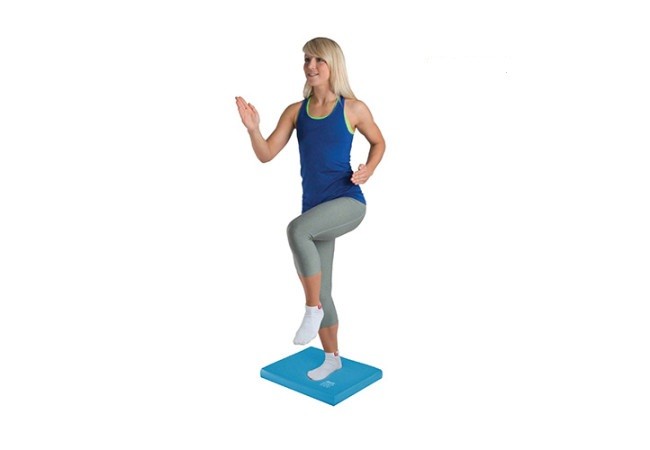
Balance and body awareness work is a staple of rehab, from ankle sprains and post-surgical recovery through to falls prevention, and the tools involved are small and easy to store.
Balance boards (also called wobble boards) and foam pads help with ankle stability and balance, and can add a core challenge. Bosu balls are a dome-shaped training tool for core strength and dynamic balance training.
Continuing on from the balance boards, Swiss balls help strengthen your core and foam rollers help with thoracic mobility.
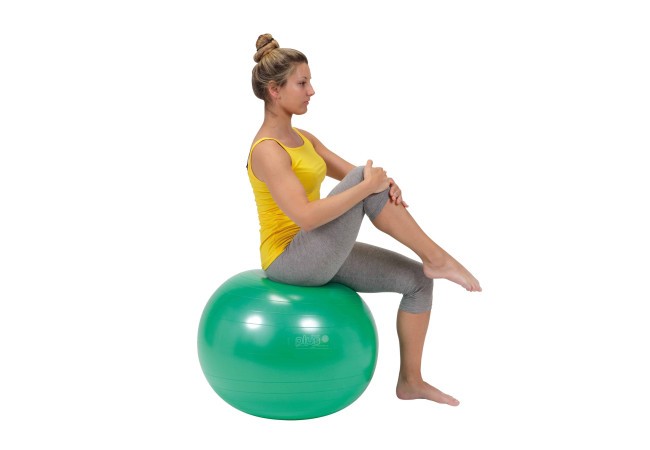
Swiss balls are excellent for strengthening your core while sitting and are quite popular for people to sit on while they work. You can do many exercises to strengthen your core, and release your lower spine, all while having minimal load on your body.
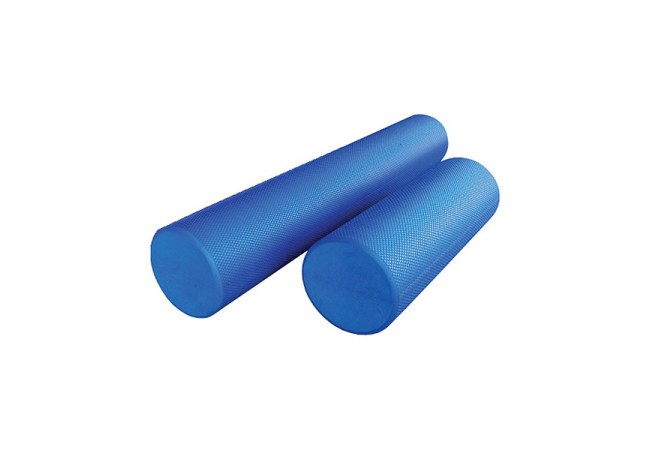
Foam rollers give patients a simple self-massage and mobility tool to use between visits.
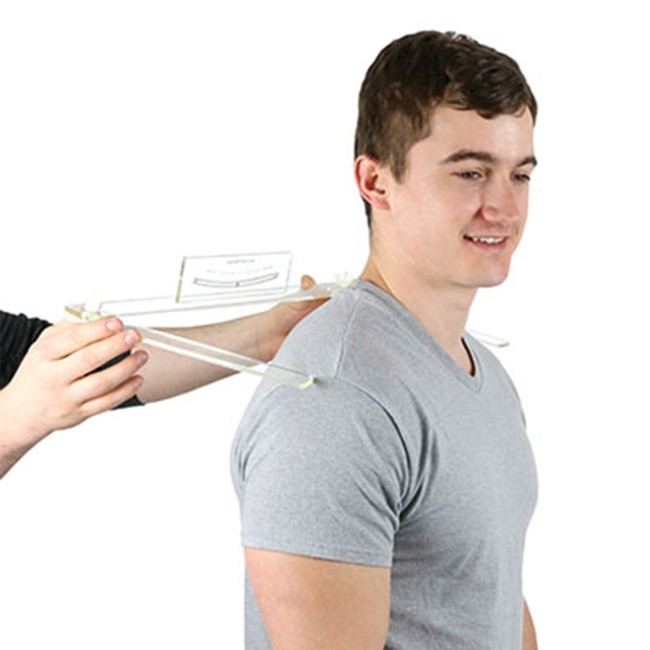
You can’t prescribe a rehab program without a starting point, and you can’t show progress without measuring it. A few compact assessment tools let you record baseline range of motion and strength, then track change from visit to visit, without taking up much room or much of your budget.
More specialised equipment, such as TENS, EMG and biofeedback units or sensory testing kits, can wait until your caseload calls for it.
Hygiene, linen and consumables aren’t the most exciting part of setting up a clinic, but they’re what patients notice first and what you’ll restock most often. As a solo practitioner, there’s no one else to keep on top of it, so it pays to stock the basics in a way that’s easy to manage between appointments.
Getting these sorted early keeps your treatment room clean and consistent from your very first patient.
Above all else, you want to be clean and sanitary. Wipe down equipment between patients, clean the work area thoroughly. People notice cleanliness and how you keep the place clean, especially in a medical environment.
Fresh linen and clean towels for each visit are more hygienic, help prevent cross-contamination and help protect patient modesty.
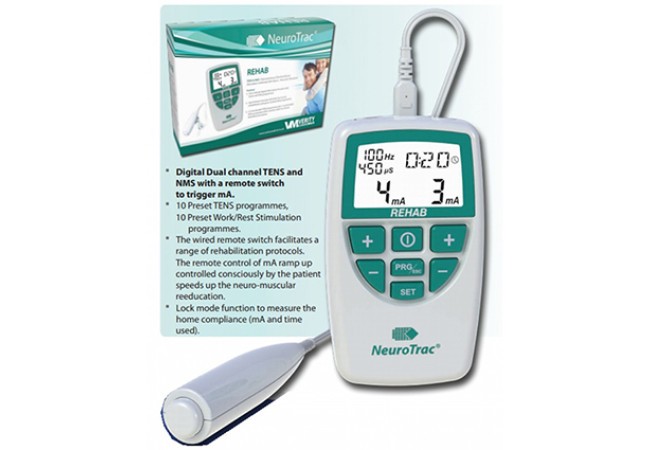
Once your caseload is established, modalities let you widen what you offer. TENS and EMS units and ultrasound are the usual starting points, and hot and cold therapy is an easy, low-commitment addition. Larger-ticket items like shockwave, laser and traction tend to make sense once you’ve settled on your specialty and can see where the demand is.
First impressions count, but as a solo practitioner you don’t need a full reception setup. A small, tidy waiting area and the basic gear to check patients in and take payment is enough to start.
Everyone starts small. As you become more successful and take on more clients, you can afford more equipment and offer more services. But to begin with, you can stretch your budget along the following lines:
Opening a solo practice doesn’t mean buying everything at once. Start with the essentials: a reliable treatment table, a basic set of rehab and exercise equipment, and the hygiene and linen supplies you’ll use every day. Add electrotherapy, conditioning equipment and practice software as your caseload grows, and leave the bigger purchases until you know what your patients actually need.
If you’d like a hand working out what to buy first, the team at Access Health can help you build a list that suits your specialty and space. Start with our Clinic Set-up Checklist or Rehab Room Set-up Checklist, or request a quote on your first order.
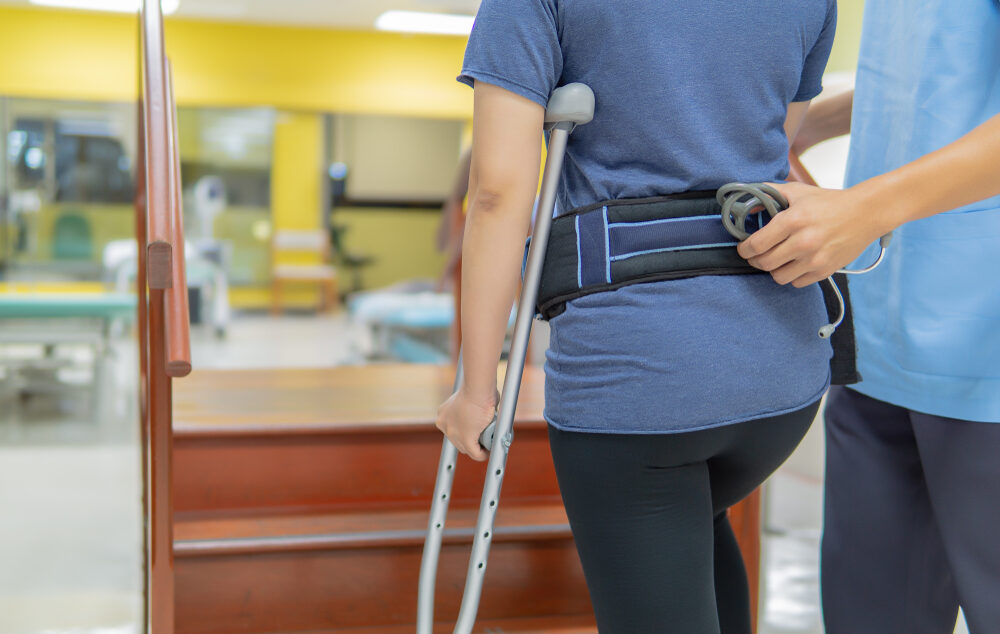
Suppose you have a loved one who has experienced an accident resulting in an injury or a long-term illness that affects your ability to walk. In that case, Rehabilitation Stairs are one of the modalities used to help improve that person’s condition over time. Rehab stairs are a common product used by physiotherapists in facilities […]
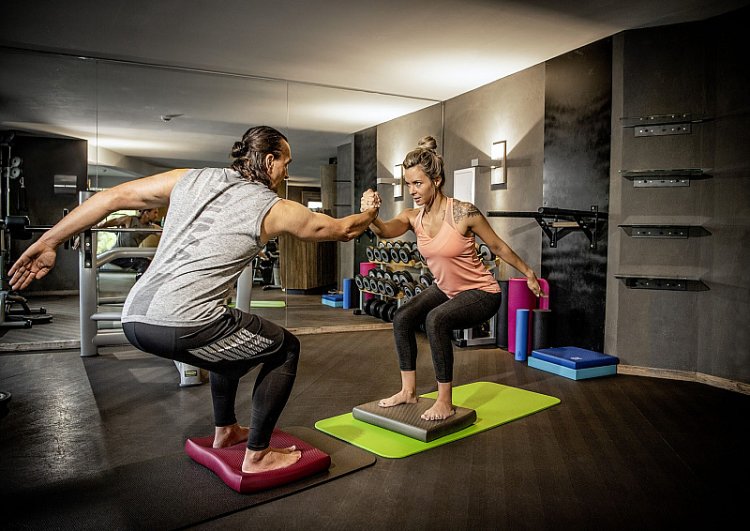
Are you investing time in physiotherapy or personal training? If so, you might have looked into fitness or rehabilitation mats such as the Airex Corona Mats. Designed as a movement therapeutic aid, Airex Corona Mats can be used in physiotherapy clinics and at home. These mats are an excellent way to restore motor skills, balance, […]
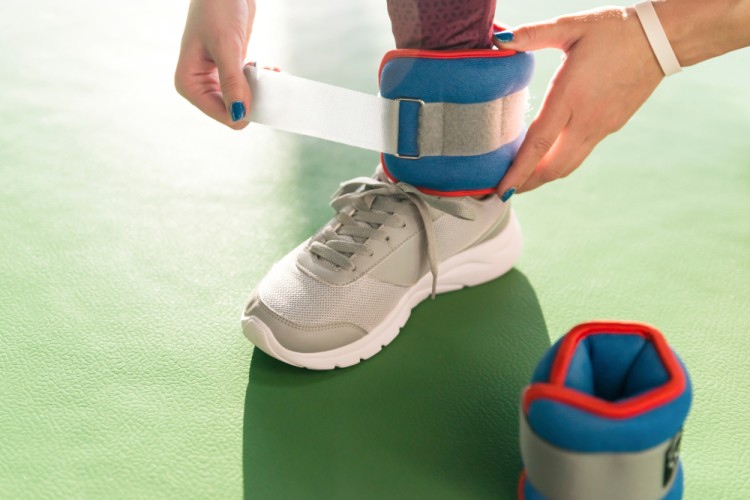
You may have seen ankle cuff weights in a pilates class, strapped onto a passing runner, or as a part of a friend’s strict fitness regimen. But did you know they are also commonly used in physical therapy? Ankle cuff weights, also known as ankle exercisers, are an indispensable tool in physical therapy to assist […]

Physical conditions and injury can reduce quality of life. Daily activities such as dressing, grooming, and household chores require coordination and strength, and resistance bands add gentle resistance for improving muscles over time. This article will explore resistance bands, their uses, and how rehabilitation centres and health professionals can support patient rehabilitation in balance, muscle […]
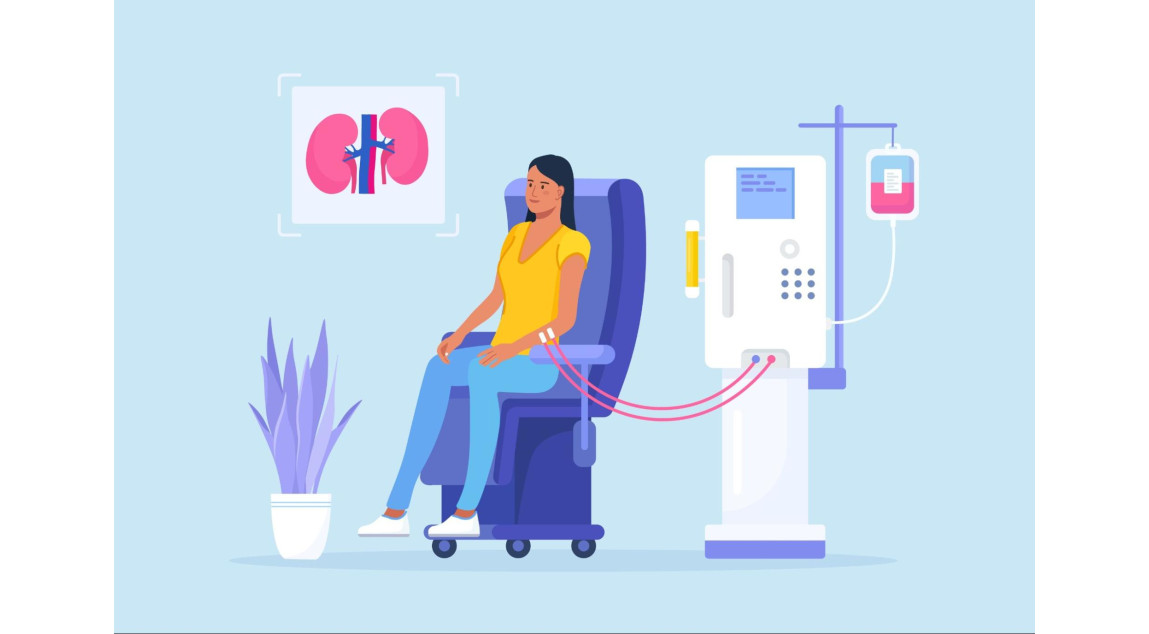
When undergoing dialysis treatment, the comfort of patients comes first. Dialysis takes over the role of the kidneys in cleansing the blood. As these sessions can take several hours, a dialysis couch is an essential piece of equipment supporting patients’ and providers’ health and safety. Whether you’re a healthcare provider, patient, or caregiver, dialysis couches […]
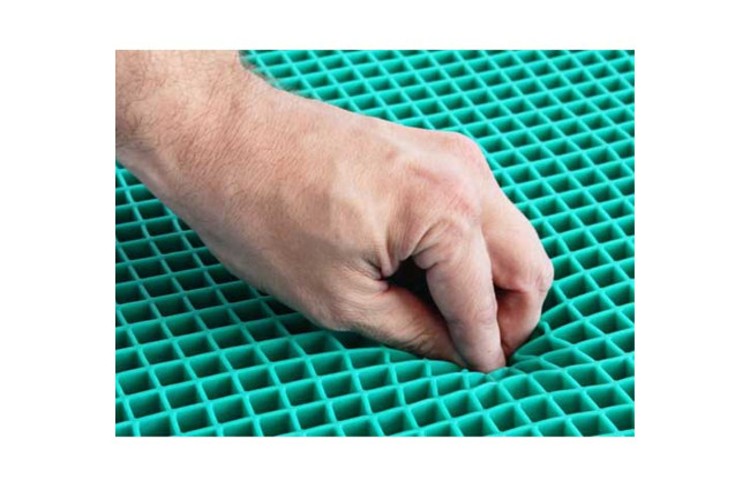
If you have an injury or medical condition limiting your mobility or activity levels, it is important to prevent pressure injuries or sores. This is especially true if you are elderly and more susceptible to health issues. Excessive pressure on one part of the body restricts blood flow and causes tissue damage, skin breakdowns, or […]

According to Health Direct, pressure sores–also known as ulcers, bed sores, or decubitus ulcers–develop when the skin is damaged by constant pressure or friction. Painful and uncomfortable pressure sores can form when patients are confined to a bed or wheelchair due to disability, illness, age, or frailty. This creates sleep disturbances and infections and affects […]
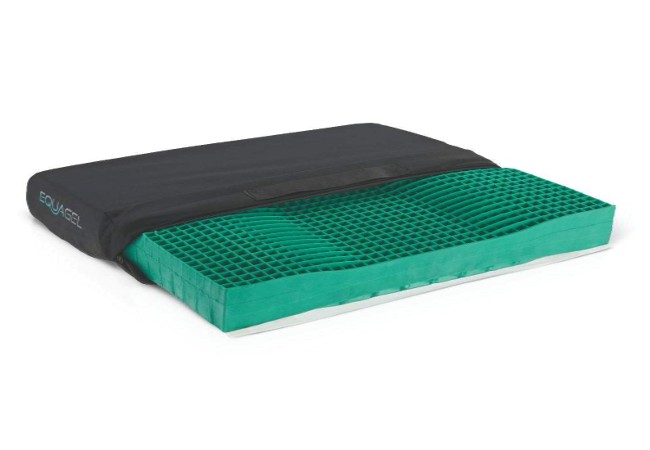
Innovative pressure cushions are critical to patient care and well-being. According to Mayo Clinic, pressure sores–also known as pressure ulcers or bed sores–damage the skin and the tissue underneath. If you have a medical condition that prevents you from moving or changing positions, this increases your risk. This blog will explore pressure sores, the types […]
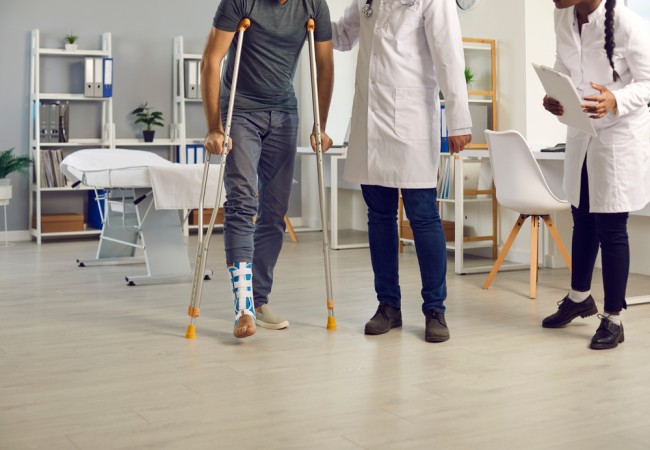
If you’ve struggled with an injury or need to recover post-surgery, using ankle equipment for an exercise conditioning program can help. Correct rehabilitation supports the patient’s return to normal activities and an active, healthy lifestyle–such as sports and recreational activities–without the added stress of recovery setbacks. This article will highlight the key benefits of using […]
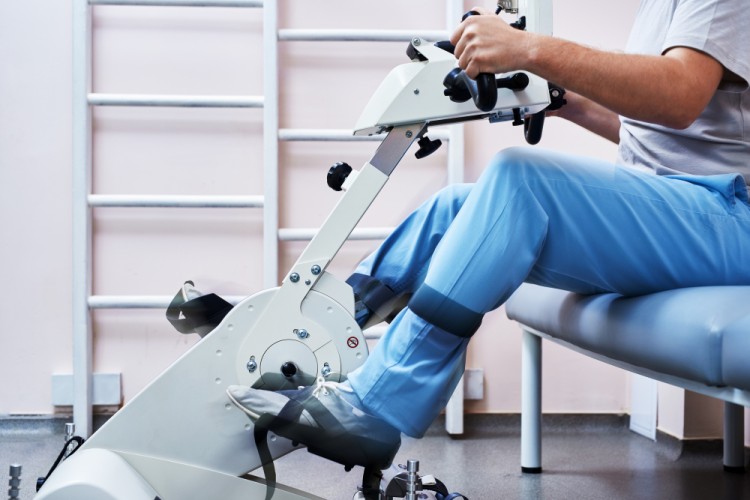
Although exercise bikes are a great choice for anyone wanting to improve fitness levels, they are also excellent for injury prevention and rehabilitation. According to this journal by the National Library of Medicine, in a 16-week aerobic exercise program using bikes, there was improved agility, flexibility, muscular endurance, strength, and cardiopulmonary endurance in female middle […]


