 Login / Register
  Cart
Cart
 Quote
Quote
 Wishlist

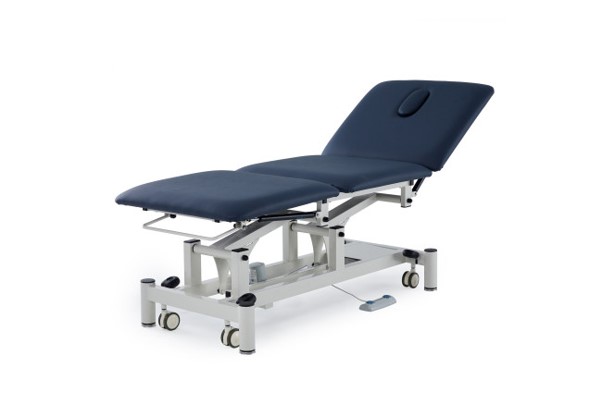
Choosing the right equipment for bariatric patients is more than meeting a weight limit. From GP clinics to physiotherapy practices and hospitals, bariatric couches need to support larger patients comfortably and safely while still standing up to daily use. The wrong choice can compromise patient safety and limit the range of treatments a clinic can offer.
With so many bariatric couches and treatment tables on the market, it’s not always clear what separates a genuinely bariatric-rated couch from one that has simply been rebranded with a higher weight rating.
A couch that is rated ‘bariatric’ has been specifically built to support higher body weights and sizes. It qualifies for a bariatric rating through reinforced frames, wider dimensions, and powered adjustability.
These are the key elements that make a couch bariatric-rated:
When considering a bariatric couch there are two figures you should be aware of – the weight capacity and the Safe Working Load (SWL).
The Weight Capacity number is always the highest of the two numbers as it represents the point of potential structural failure.
These numbers matter for a few reasons. The dynamic forces of moving a patient around on a bariatric couch can shift the balance of weight or the momentum of the couch. A couch would need extra support to handle these changes in force.
Carer safety is another key consideration. Clinicians and nurses are often responsible for moving patients on the couch, and need to be able to control both the couch and the patient safely to avoid accidents. Additionally, as the couches are motorised, the SWL gives an indication as to how much weight the motor can handle when making automatic adjustments.
Buying a bariatric couch with a higher SWL allows you to treat more patients. Their weight can change due to water weight, recovery goals or medical equipment they’re carrying. A high SWL allows you to work with more patients without the need to buy more couches.
To keep the patient and clinician safe, you must add up all the weights before using the couch.
Total Load Formula:
Total Load = Patient Weight + Accessories + Carer Lean =150 kg + 10 kg + 15 kg =175 kg.
In this example, the couch must have an SWL of at least 175 kg. Most clinical bariatric couches are rated for 280 kg to 350 kg to provide enough buffer for safety.
In Australia, bariatric treatment couches must support patients weighing 125 kg or more, with Safe Working Loads on the market typically ranging from 250 kg up to 320 kg or more depending on the model. Facilities use this equipment for safe clinical examination and to reduce manual handling risks for staff.
Every workplace must follow Safe Work Australia guidelines, which are designed to prevent staff injuries during patient handling. The Australian Nursing & Midwifery Federation also sets guidelines requiring safe handling practices for all patient types, including those living with obesity. Facilities purchasing bariatric equipment should ensure it meets these national Work Health and Safety standards.
Australian healthcare facilities follow specific safety rules to protect both patients and staff:
To show what separates one bariatric couch from another, it helps to look at two real options side by side.
The Access 3-Section Bariatric Treatment Couch has a 280 kg weight capacity and measures 195cm long by 71cm wide, with a height range of 46.5cm to 92.5cm. It runs on electric Hi-Lo operation via foot switch, has an electric backrest, and a dual gas strut footrest. The upholstery is heavy-duty PVC vinyl, resistant to fire, stains, mildew, oil, and water. It comes with a 5-year construction warranty and 3-year electric warranty.
The Plinth Medical 50E 3-Section Bariatric Couch pushes further with a 320 kg safe working load. It’s slightly shorter at 183cm long but wider at 78cm, with a height range of 49cm to 98cm. This UK-manufactured couch comes with a lifetime frame guarantee, 5-year parts guarantee, and a 16-year average lifespan. It also includes a 140mm hoist clearance, useful for facilities using hoists for patient transfers, along with anti-microbial vinyl upholstery.
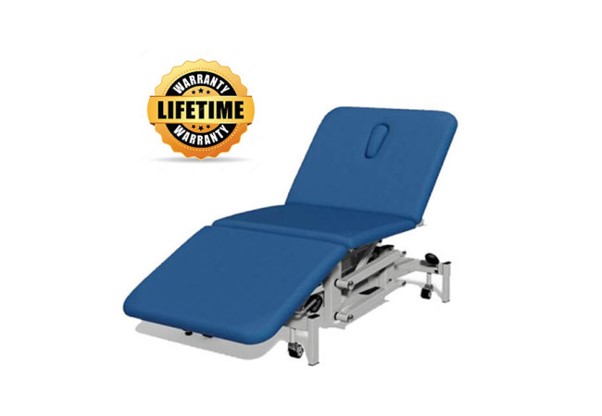
For facilities working with a wider range of patient weights or needing hoist compatibility, the Plinth Medical option offers more capacity and a longer expected service life. For general practice use where 280 kg covers your patient base, the Access couch is a solid, more budget-conscious choice.
The supplier you choose matters as much as the couch itself. Look for a supplier with genuine experience in bariatric and medical equipment, backed by a proven track record supplying Australian healthcare facilities.
Warranty terms are an important factor. A longer warranty on construction and electrics reflects the durability of the product and protects your facility from unexpected repair costs. Local servicing and spare parts availability are also worth confirming, so your equipment can be maintained and repaired without delay.
Products should meet the relevant Australian standards and be registered with the TGA. A trusted supplier will provide clear information on SWL, dimensions, and certification, and can help guide your facility toward the right couch for your patient base and clinical setting.
Access Health’s team has the experience to help match the right bariatric equipment to your facility’s needs. Contact us today to discuss your requirements.
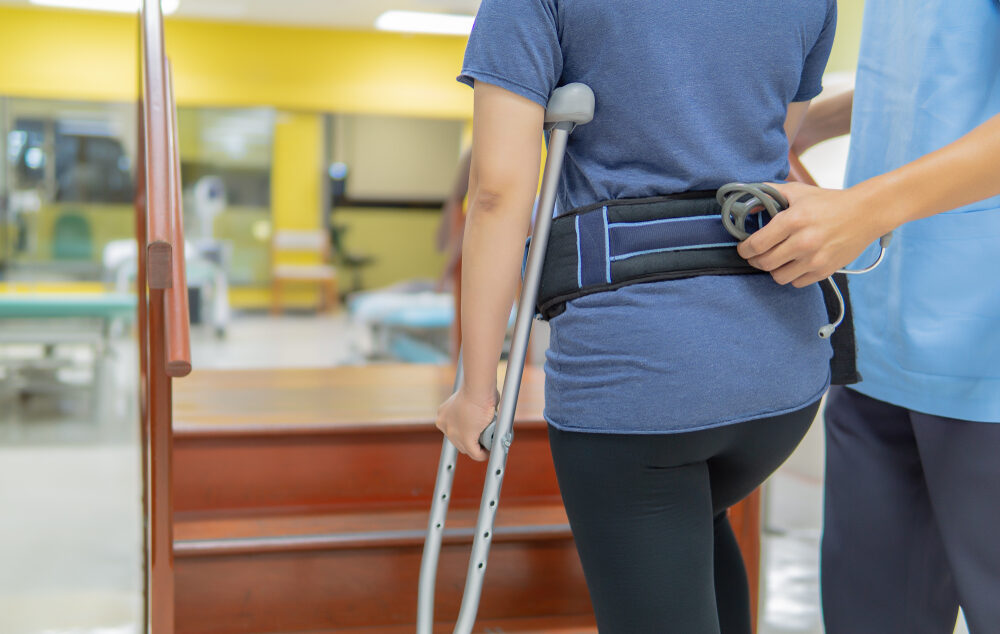
Suppose you have a loved one who has experienced an accident resulting in an injury or a long-term illness that affects your ability to walk. In that case, Rehabilitation Stairs are one of the modalities used to help improve that person’s condition over time. Rehab stairs are a common product used by physiotherapists in facilities […]
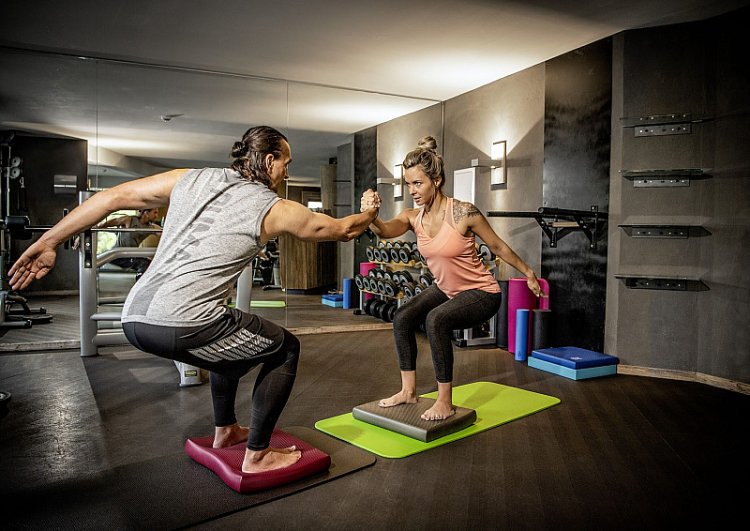
Are you investing time in physiotherapy or personal training? If so, you might have looked into fitness or rehabilitation mats such as the Airex Corona Mats. Designed as a movement therapeutic aid, Airex Corona Mats can be used in physiotherapy clinics and at home. These mats are an excellent way to restore motor skills, balance, […]
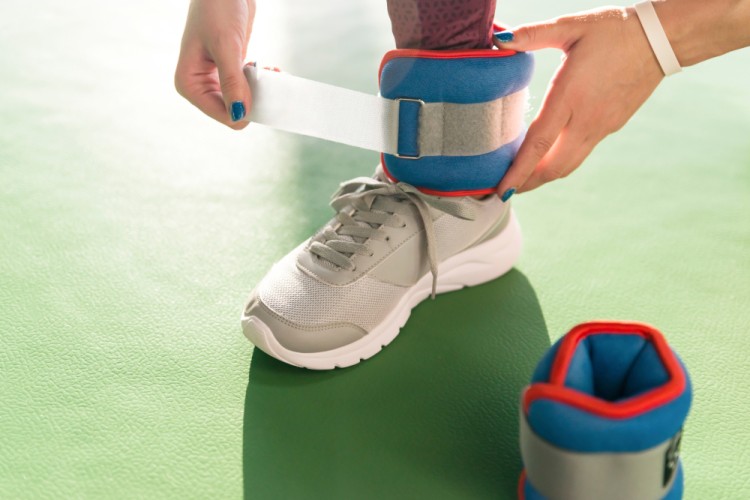
You may have seen ankle cuff weights in a pilates class, strapped onto a passing runner, or as a part of a friend’s strict fitness regimen. But did you know they are also commonly used in physical therapy? Ankle cuff weights, also known as ankle exercisers, are an indispensable tool in physical therapy to assist […]

Physical conditions and injury can reduce quality of life. Daily activities such as dressing, grooming, and household chores require coordination and strength, and resistance bands add gentle resistance for improving muscles over time. This article will explore resistance bands, their uses, and how rehabilitation centres and health professionals can support patient rehabilitation in balance, muscle […]
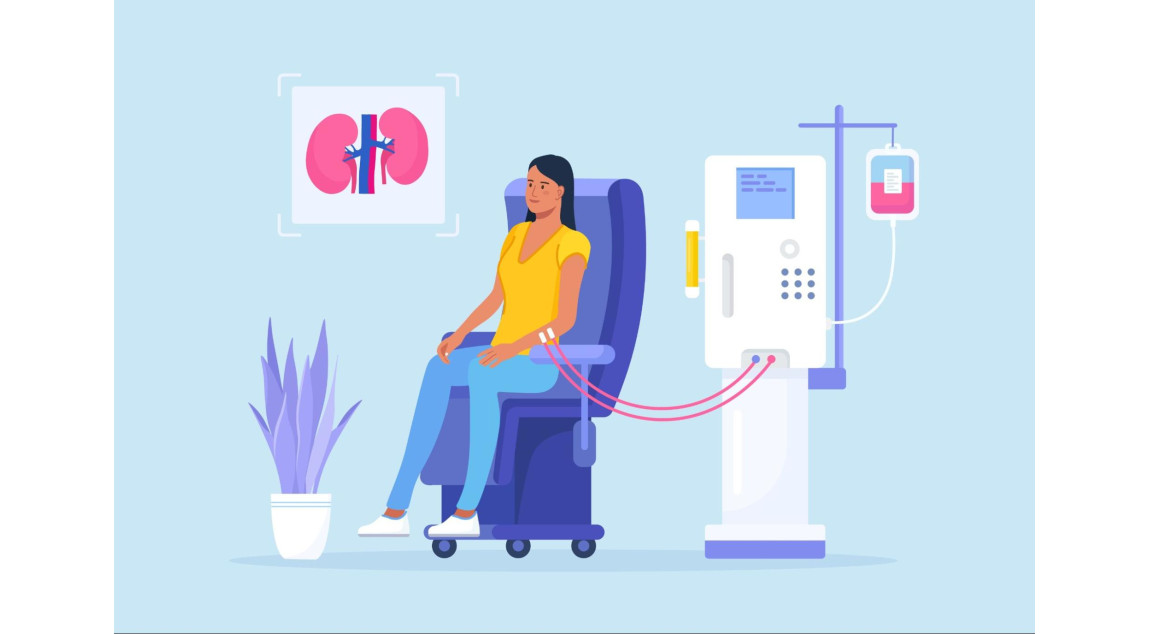
When undergoing dialysis treatment, the comfort of patients comes first. Dialysis takes over the role of the kidneys in cleansing the blood. As these sessions can take several hours, a dialysis couch is an essential piece of equipment supporting patients’ and providers’ health and safety. Whether you’re a healthcare provider, patient, or caregiver, dialysis couches […]
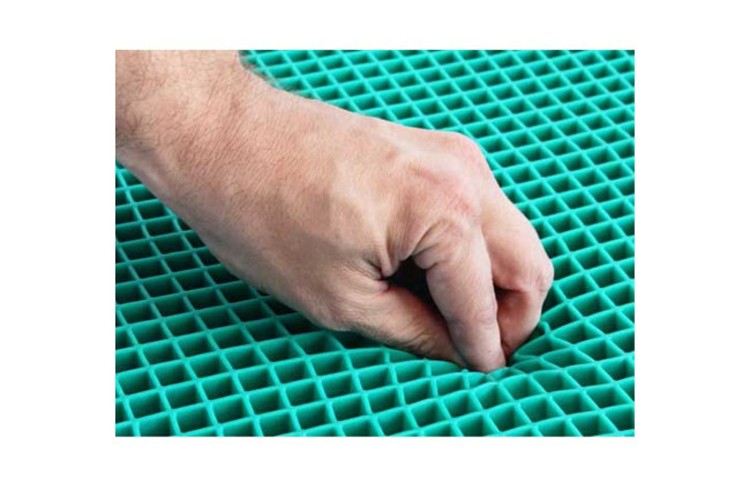
If you have an injury or medical condition limiting your mobility or activity levels, it is important to prevent pressure injuries or sores. This is especially true if you are elderly and more susceptible to health issues. Excessive pressure on one part of the body restricts blood flow and causes tissue damage, skin breakdowns, or […]

According to Health Direct, pressure sores–also known as ulcers, bed sores, or decubitus ulcers–develop when the skin is damaged by constant pressure or friction. Painful and uncomfortable pressure sores can form when patients are confined to a bed or wheelchair due to disability, illness, age, or frailty. This creates sleep disturbances and infections and affects […]
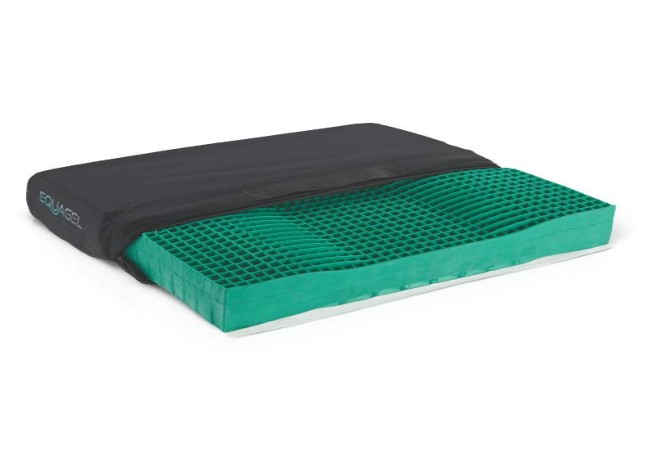
Innovative pressure cushions are critical to patient care and well-being. According to Mayo Clinic, pressure sores–also known as pressure ulcers or bed sores–damage the skin and the tissue underneath. If you have a medical condition that prevents you from moving or changing positions, this increases your risk. This blog will explore pressure sores, the types […]
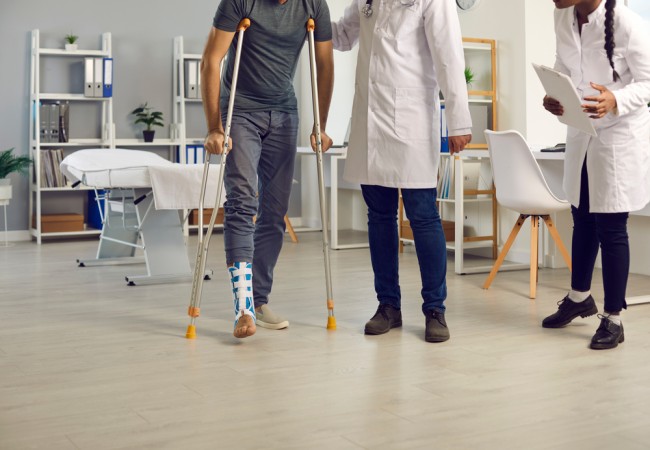
If you’ve struggled with an injury or need to recover post-surgery, using ankle equipment for an exercise conditioning program can help. Correct rehabilitation supports the patient’s return to normal activities and an active, healthy lifestyle–such as sports and recreational activities–without the added stress of recovery setbacks. This article will highlight the key benefits of using […]
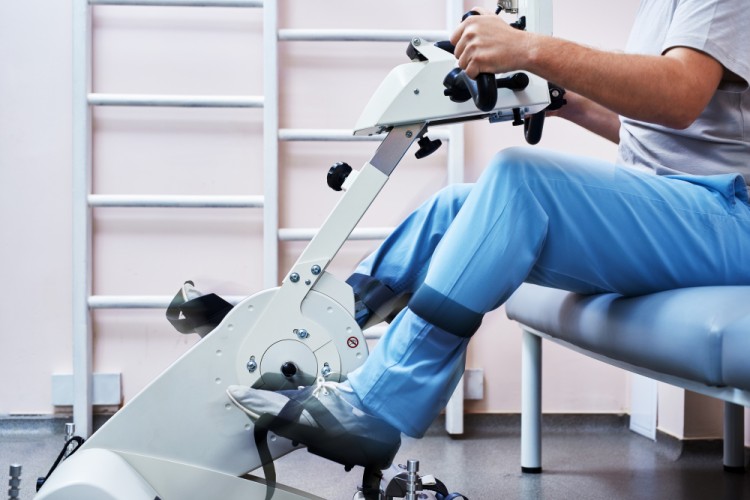
Although exercise bikes are a great choice for anyone wanting to improve fitness levels, they are also excellent for injury prevention and rehabilitation. According to this journal by the National Library of Medicine, in a 16-week aerobic exercise program using bikes, there was improved agility, flexibility, muscular endurance, strength, and cardiopulmonary endurance in female middle […]


