 Login / Register
  Cart
Cart
 Quote
Quote
 Wishlist

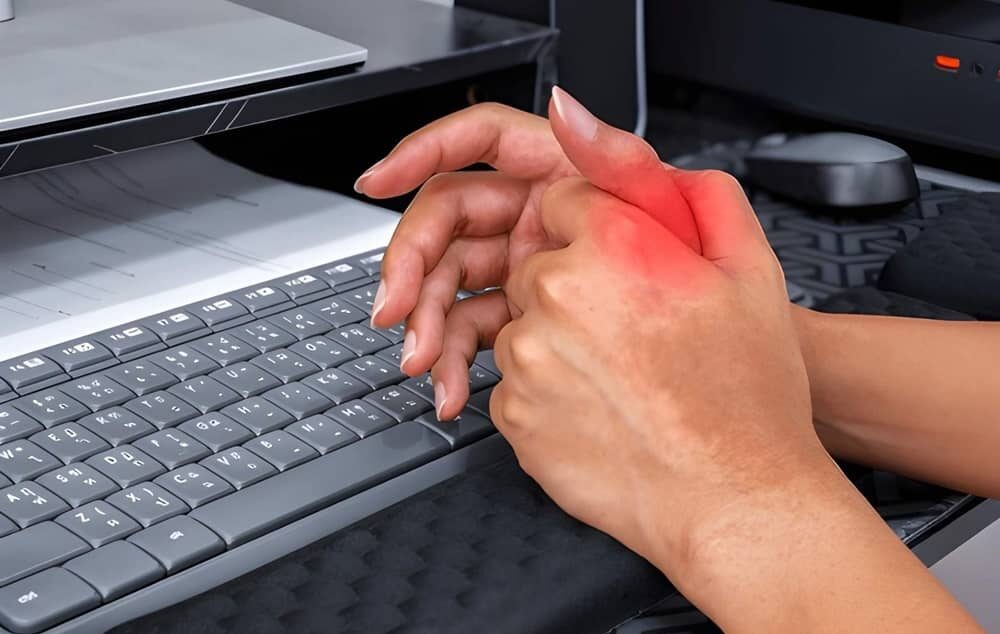
Your hands do so many things, from holding your morning cup of coffee to nursing your book before going to sleep. If you hurt or injure your hands, you would be surprised how many things you take for granted, you can’t do. Hand therapy products are here to help rehabilitate and heal your wrists, hands and fingers, post-surgery or while you’re consulting a physiotherapist.
However, not all hand therapy products work for everything. Knowing what type of injury you have and knowing the correct tool or apparatus works best for you, can reduce rehabilitation time and get you back to holding your spoon while stirring your morning brew in no time.
Access Health has a vast array of exercise therapy equipment. While we will be giving you advice in this article, we strongly suggest you get help and advice from a medical professional before purchasing a therapy product. Education on how to use it correctly for you is vital to get the most out of this product and to be rehabilitated quickly and correctly.
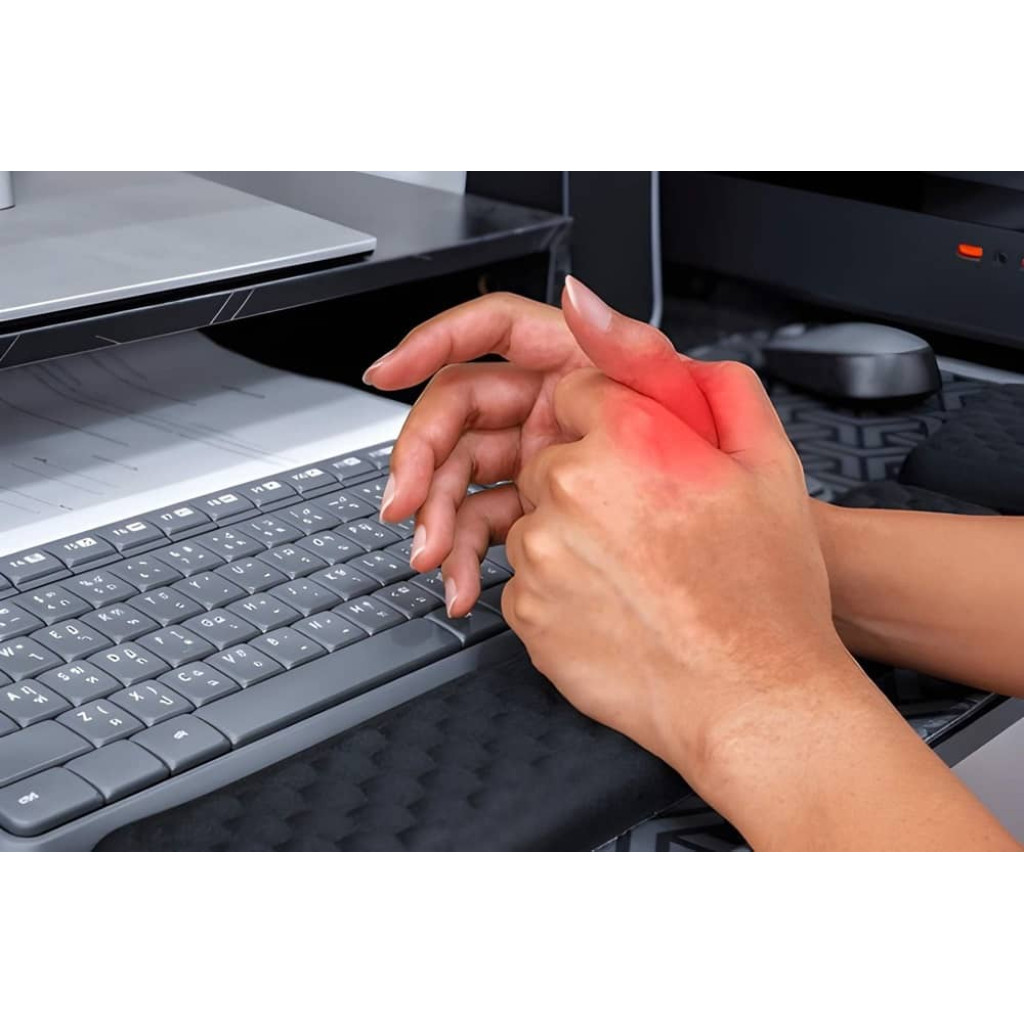
It may sound silly to say, but we use our hands a lot. At work we use them to type, grab and hold a mouse, and there is a lot of holding and thumbwork involved in scrolling on our smart phones. This is repetitive use and motion, which can give you some very common hand injuries.
There are some common, everyday injuries that our hands suffer for which Access Health has therapy products to help you with. Here are some of those common injuries, perhaps they’ve happened to you?
Before we get into the specifics of which product to use for which injury, there are different purposes for using hand therapy devices.
Pain management. There are products to help with pain management while you recover from injuries, or if you have arthritic problems. Jar openers and compression gloves in particular, can help with pain and fatigue in your hands and fingers.
Strengthening. To rebuild strength into your hand and wrist, grip strengtheners, therapy putty and hand exercise balls can help. Subtle, repetitive exercises, rather than trying to be as strong as possible as soon as possible, is the way to use these products.
Flexibility and movement. Sometimes you need to get flexibility back into your fingers, fine motor skills after serious injuries such as a break. We have a Cando Graded pinch finger exercise board to help with coordination and pinch strength and the Perdue Pegboard which helps with fine motor skills and finger coordination.
Injury Protection. If you’ve suffered a break, splints and other custom protective gear can help stabilise a finger or hand while the healing process takes place.
Scar Management. Silicon sheets or gel can help manage scars, help the healing process and keep your hands flexible and moving.
Looking at the common injuries above, what hand therapy product would be right for you? Again, we recommend consulting with a doctor or a qualified physiotherapist so you get the right equipment for you.
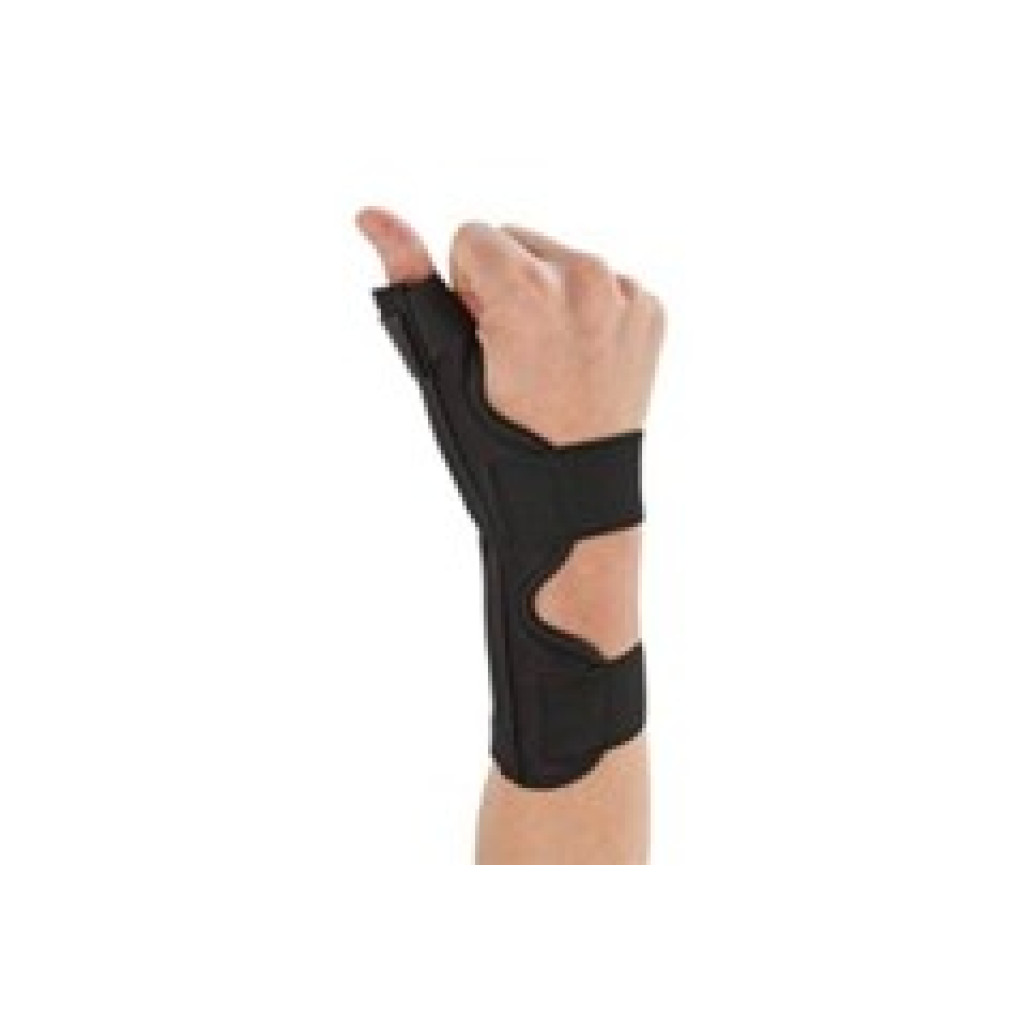
Tendon Injuries. For these sorts of injuries you may need some immobilisation splints for the initial recovery period. Once you’re ready you would switch to strengthening therapy products, such as digi-flex or flexi putty which you squish and hold to get back strength into your weakened fingers or hand.
Ligament Injuries. Initially splints would be used to stabilise and let the fingers begin to heal. From splints you could use some bracing tape to help stabilise but get some motion into your therapy. Recovery exercises from here would include squeezing and working with therapy putty, squeezing at comfortable strengths and not overdoing it.
Dislocation. For bad dislocations, finger splints keep the injury rigid and not moving during recovery. For minor dislocations you could use bracing tape to keep them stable while allowing movement. Rehabilitation would include Rep Putty and resistance grips to build up strength in the injured hand.
Nerve Compression. Products that focus on carpal tunnel include immobilisation devices, pain relief and what we call nerve gliding. Wrist splints to support your wrist and to stop it moving are a good idea. Especially good to wear while you sleep where sometimes you can roll onto your wrist at strange angles, which can exacerbate your problem. To help strengthen your wrist and help with nerve gliding, squeeze devices are good, such as Rep Putty or a stress relief ball with hand exercises..
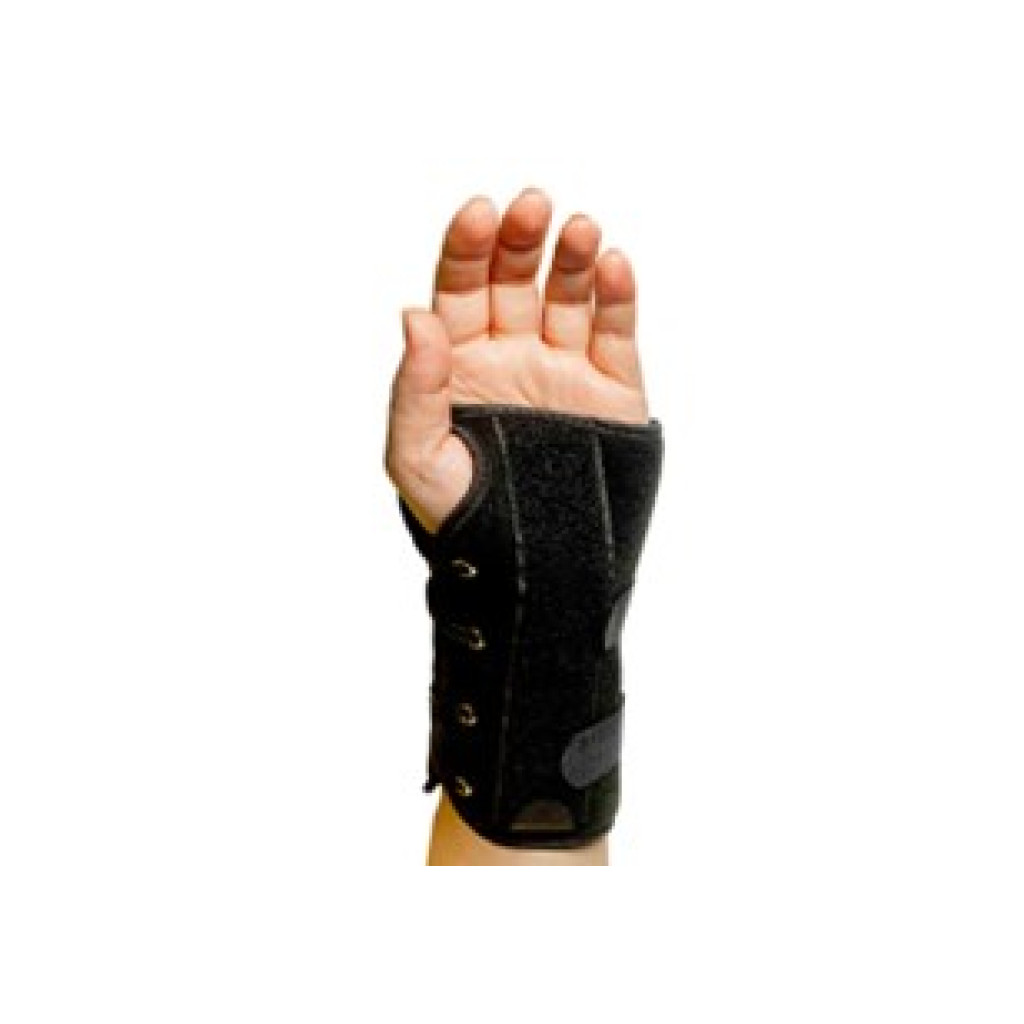
For general hand therapy, to strengthen your hands and wrists, hand weight balls are a good idea. Not only do you have to grip them with your fingers, the weight helps strengthen both your wrists and fingers.
Hand and finger injuries are extremely frustrating. We think we know how much we use our hands in our everyday life, but once you injure just one of them, even your off hand, you soon discover all the things you take for granted. Opening doors, scrolling on your phone, holding a knife and fork.
If the worse comes to be, and you are injured, follow the advice from your health practitioner when it comes to recovery and rehabilitation. Don’t try to rush things and don’t stop your exercises even if you don’t feel as much pain anymore.
Access Health is your first stop when it comes to exercise therapy equipment. Hand dynamometers, hand bracers, hand weights, splints and more, all you need to get you healed and back into high-fiving your friends once again.
Contact our team to talk about what ails you and how we can help you.
Disclaimer: Access Health is not qualified to agree or deny whether this content is correct. For accurate information, consult your medical professional or provider.
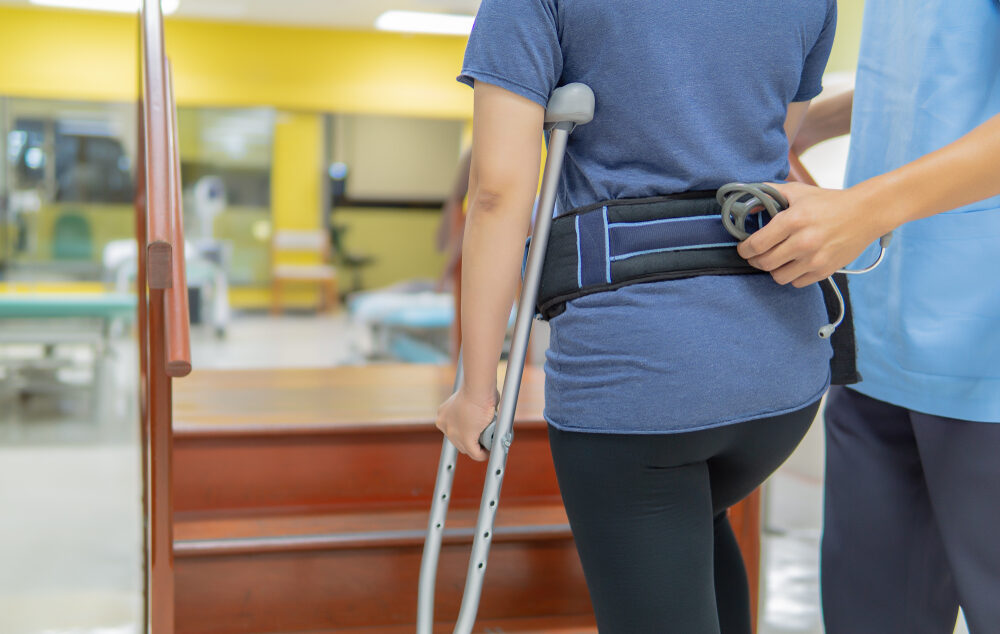
Suppose you have a loved one who has experienced an accident resulting in an injury or a long-term illness that affects your ability to walk. In that case, Rehabilitation Stairs are one of the modalities used to help improve that person’s condition over time. Rehab stairs are a common product used by physiotherapists in facilities […]
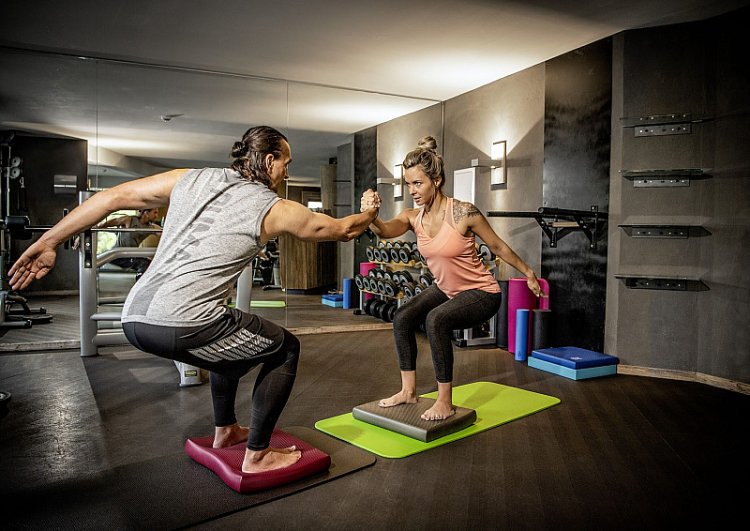
Are you investing time in physiotherapy or personal training? If so, you might have looked into fitness or rehabilitation mats such as the Airex Corona Mats. Designed as a movement therapeutic aid, Airex Corona Mats can be used in physiotherapy clinics and at home. These mats are an excellent way to restore motor skills, balance, […]
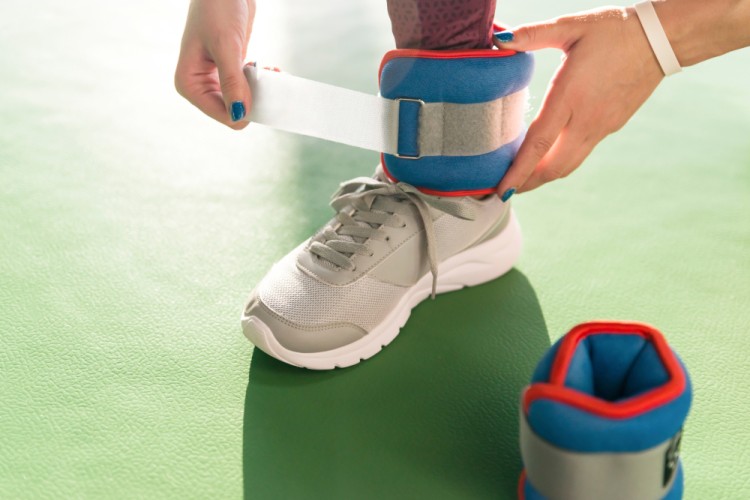
You may have seen ankle cuff weights in a pilates class, strapped onto a passing runner, or as a part of a friend’s strict fitness regimen. But did you know they are also commonly used in physical therapy? Ankle cuff weights, also known as ankle exercisers, are an indispensable tool in physical therapy to assist […]

Physical conditions and injury can reduce quality of life. Daily activities such as dressing, grooming, and household chores require coordination and strength, and resistance bands add gentle resistance for improving muscles over time. This article will explore resistance bands, their uses, and how rehabilitation centres and health professionals can support patient rehabilitation in balance, muscle […]
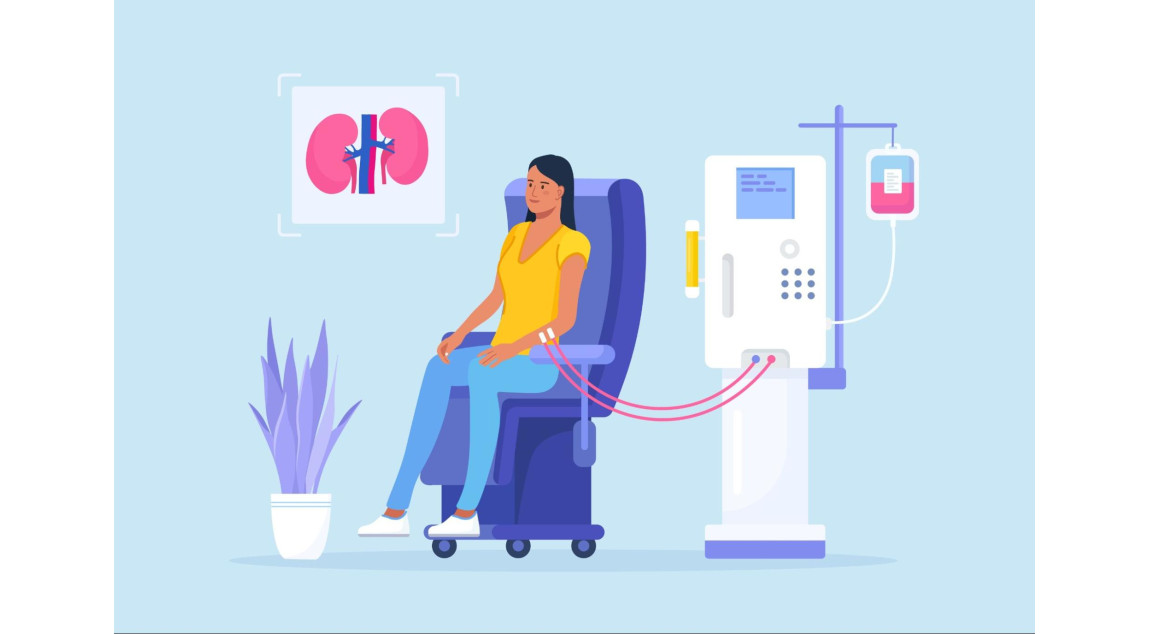
When undergoing dialysis treatment, the comfort of patients comes first. Dialysis takes over the role of the kidneys in cleansing the blood. As these sessions can take several hours, a dialysis couch is an essential piece of equipment supporting patients’ and providers’ health and safety. Whether you’re a healthcare provider, patient, or caregiver, dialysis couches […]
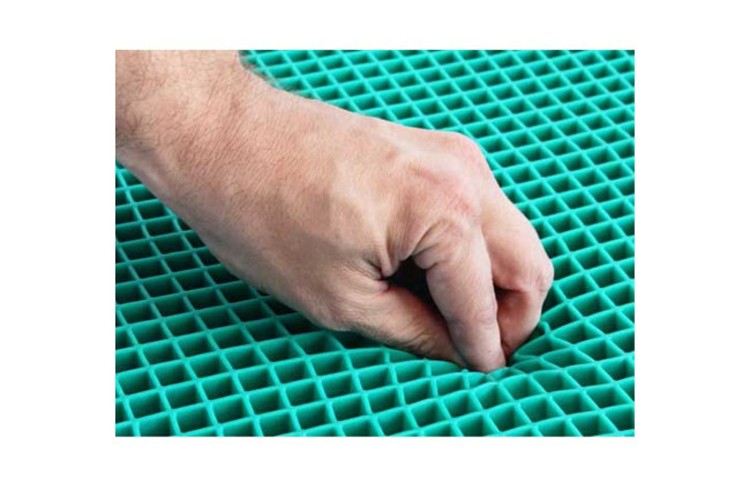
If you have an injury or medical condition limiting your mobility or activity levels, it is important to prevent pressure injuries or sores. This is especially true if you are elderly and more susceptible to health issues. Excessive pressure on one part of the body restricts blood flow and causes tissue damage, skin breakdowns, or […]

According to Health Direct, pressure sores–also known as ulcers, bed sores, or decubitus ulcers–develop when the skin is damaged by constant pressure or friction. Painful and uncomfortable pressure sores can form when patients are confined to a bed or wheelchair due to disability, illness, age, or frailty. This creates sleep disturbances and infections and affects […]
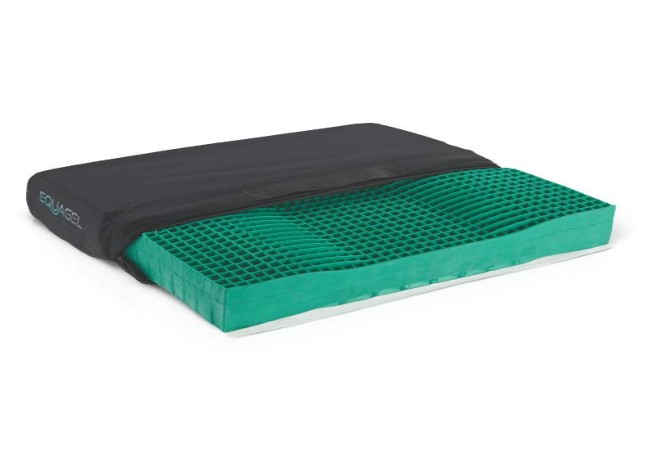
Innovative pressure cushions are critical to patient care and well-being. According to Mayo Clinic, pressure sores–also known as pressure ulcers or bed sores–damage the skin and the tissue underneath. If you have a medical condition that prevents you from moving or changing positions, this increases your risk. This blog will explore pressure sores, the types […]
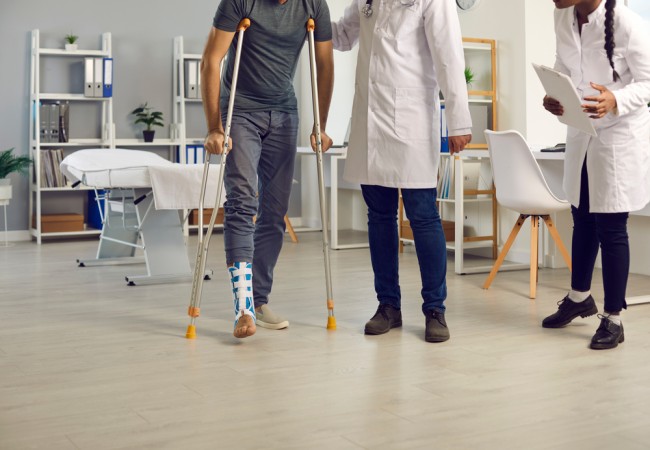
If you’ve struggled with an injury or need to recover post-surgery, using ankle equipment for an exercise conditioning program can help. Correct rehabilitation supports the patient’s return to normal activities and an active, healthy lifestyle–such as sports and recreational activities–without the added stress of recovery setbacks. This article will highlight the key benefits of using […]
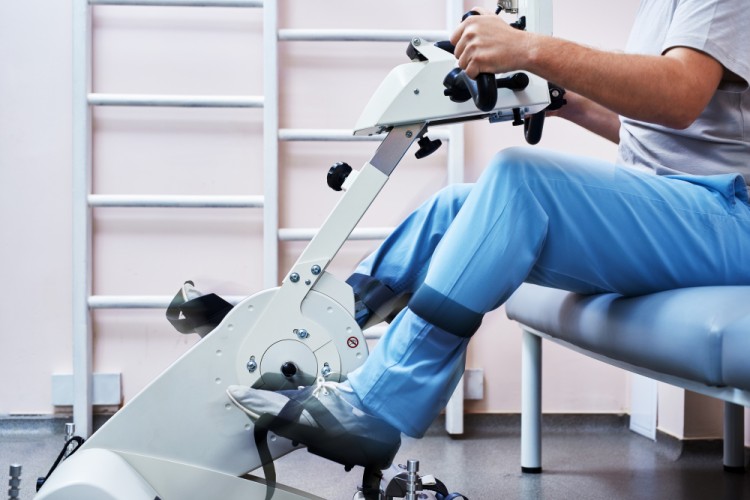
Although exercise bikes are a great choice for anyone wanting to improve fitness levels, they are also excellent for injury prevention and rehabilitation. According to this journal by the National Library of Medicine, in a 16-week aerobic exercise program using bikes, there was improved agility, flexibility, muscular endurance, strength, and cardiopulmonary endurance in female middle […]


