 Login / Register
  Cart
Cart
 Quote
Quote
 Wishlist


Bobath is a popular approach worldwide for assisting patients suffering from damage or problems with their central nervous system. Professionals use treatment couches for a wide range of work, but a Bobath couch will have specific features that make it an essential part of this type of physiotherapy.
This blog will detail what kinds of elements a quality Bobath couch will have to help you choose the best one possible for your clinic.
Like any medical examination couches, Bobath couches are used to support patients while lying or sitting down, allowing physiotherapists to assess their body, work on their muscles, and assist them in completing certain movements and exercises.
The Bobath concept involves the therapist assisting the client using visual and physical cues to perform certain actions. Patients will often need to be lying down, and using a specialised Bobath couch means your patient will be as comfortable as possible while performing the required movements.
If you intend to use the Bobath approach at your clinic or medical practice, then you’ll need suitable Bobath medical couches. When browsing these types of treatment couches online, make sure the ones you are interested in have some, or all, of the following features.
Depending on the height of the patient, the practitioner, and what movements and exercises are being performed, you will probably need to adjust the height of the couch before commencing treatment. If you are using Bobath bariatric couches, or even if you are on the shorter side, adjusting these couches on your own may be difficult!
Bobath plinth examination tables and couches featuring assisted lifting can be very useful in these cases. High-quality examination tables with hydraulic and electrical lifting systems allow you to adjust them without having to bend or lift anything, preventing strain injuries and allowing you to get started on treatments quickly.
Tables with these features will usually be operated through either a foot pedal or a button-controlled remote.
If your Bobath medical couches and tables aren’t made from reliable materials, then you can’t expect them to perform year after year. Joints that seize up, materials that wear and tear, or surfaces that stain and fade can all make your couch less functional, while also making your practice seem less professional in the eyes of clients.
Look for examination couches and tables made from durable, hard-wearing materials that repel or resist liquids. You’ll want a Bobath couch that is resistant to wear, as well as elements like mould, mildew, oil, water, and fire.
Warranties can be a good way to gauge the longevity of the moving parts of Bobath couches, too. Look for lifetime or at least extended warranties that indicate the manufacturer stands by their workmanship on the frames and parts of their medical couches.
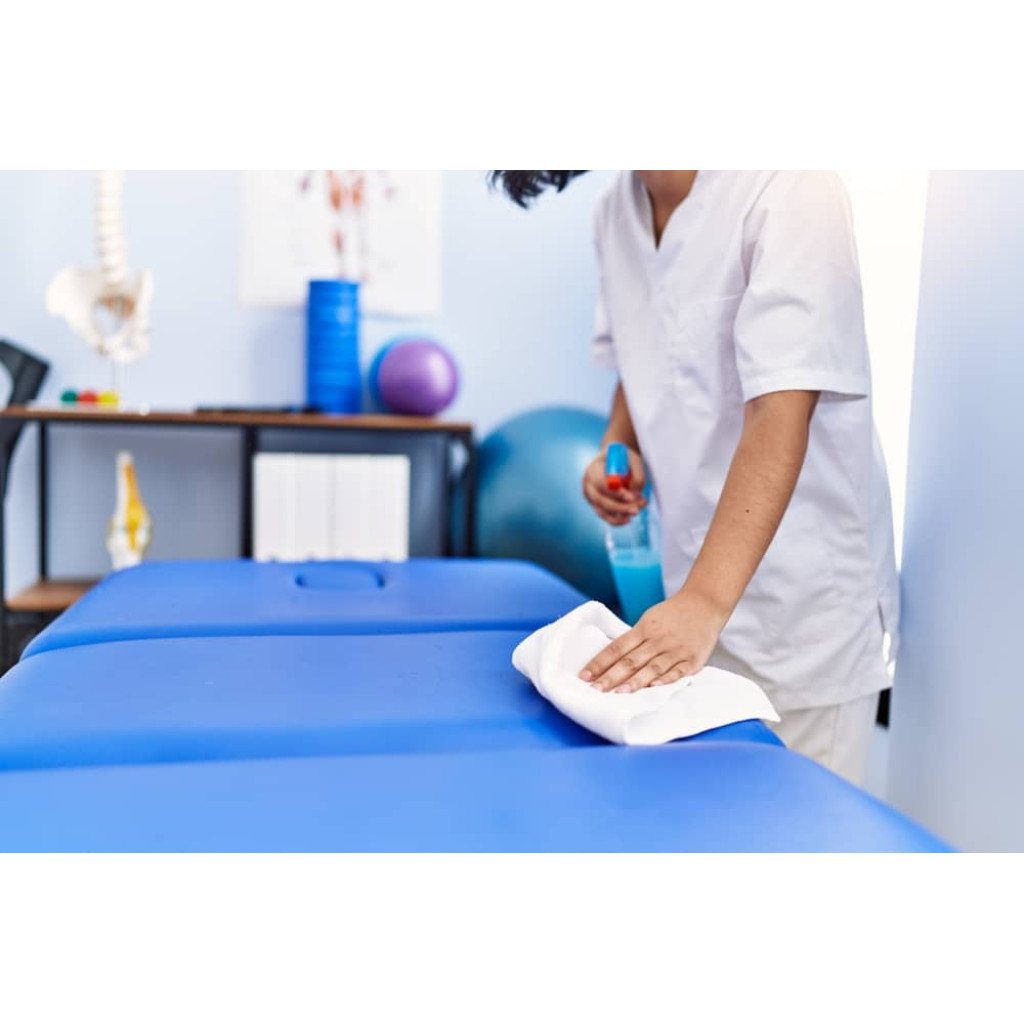
Hygiene must be at a gold standard in any medical setting, and this includes clinics where practitioners are helping their patients through rehabilitation using the Bobath approach. While the feel of a fabric medical couch may seem nice at first, this will quickly go away once you realise how hard they are to clean between patient sessions.
Instead, look for materials like PVC (polyvinyl chloride). Medical-grade vinyls are smooth and, most importantly, repel the oils and stains that can often build up on examination couches after a lot of use. This liquid-resistant surface is also easy to wipe down between sessions, making downtime between clients much faster. Simply grab some disinfectant wipes, give the couch a good wipe over, and you’re ready to go for the next patient!
A stainless steel frame is also a must-have, as it won’t rust and will easily wipe clean should the need arise.
Not all Bobath medical couches are the same, and you may find the treatment plan you want to implement requires the addition of a few extra features. All Bobath bariatric couches and examination tables should have adjustable heights and headrests, but this is just the start!
Breathing holes (that can be filled), removable cotsides, paper roll holders, extra arms, and retractable castors are all additions that can make your physiotherapy sessions more effective and much more streamlined. Plus, they allow your Bobath plinth examination tables and couches to be used for other types of treatment as well.
Bobath couches need to be wider than traditional treatment couches so the therapist can perform the necessary techniques. Features like electric lifting mechanisms and adjustable head/backrests are also very useful for this treatment approach.
Bobath couches are usually made from a form of vinyl, like PVC, which is very easy to clean due to its ability to repel moisture. Simply wipe it down with either a disinfectant wipe or a spray and wipe system to clean.
A plinth is technically a straight table, without a head or backrest. Many Bobath couches have an adjustable section that allows them to transform into a plinth as needed.
Here at Access Health, our Bobath couches and Bobath plinth examination tables have all of the features we have detailed in this blog, plus a few more! Whether you need them for use at a busy hospital or private clinic, our Bobath products will keep your patients comfortable and allow you to perform your treatments freely.
Here is a selection of the Bobath plinths and couches we offer:
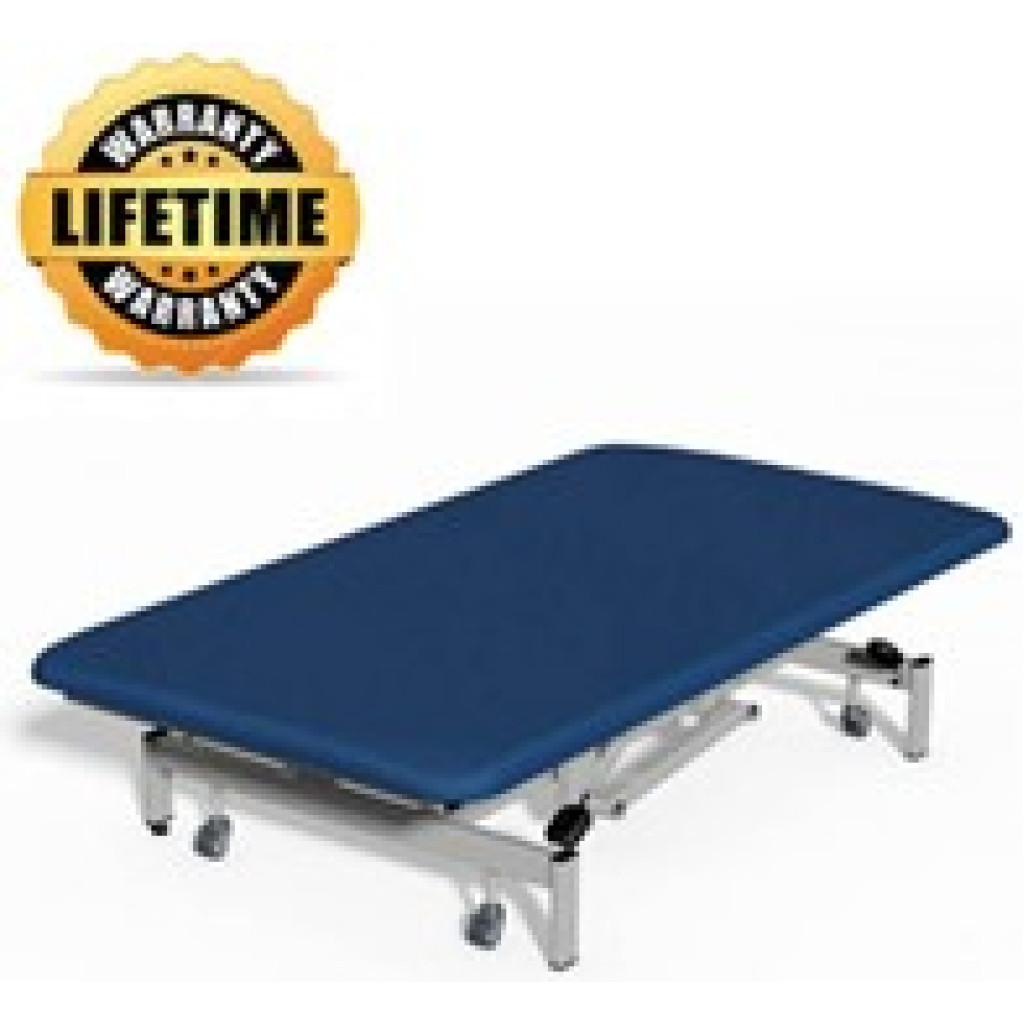
A traditional choice for Bobath treatments that is suitable for both adults and children.
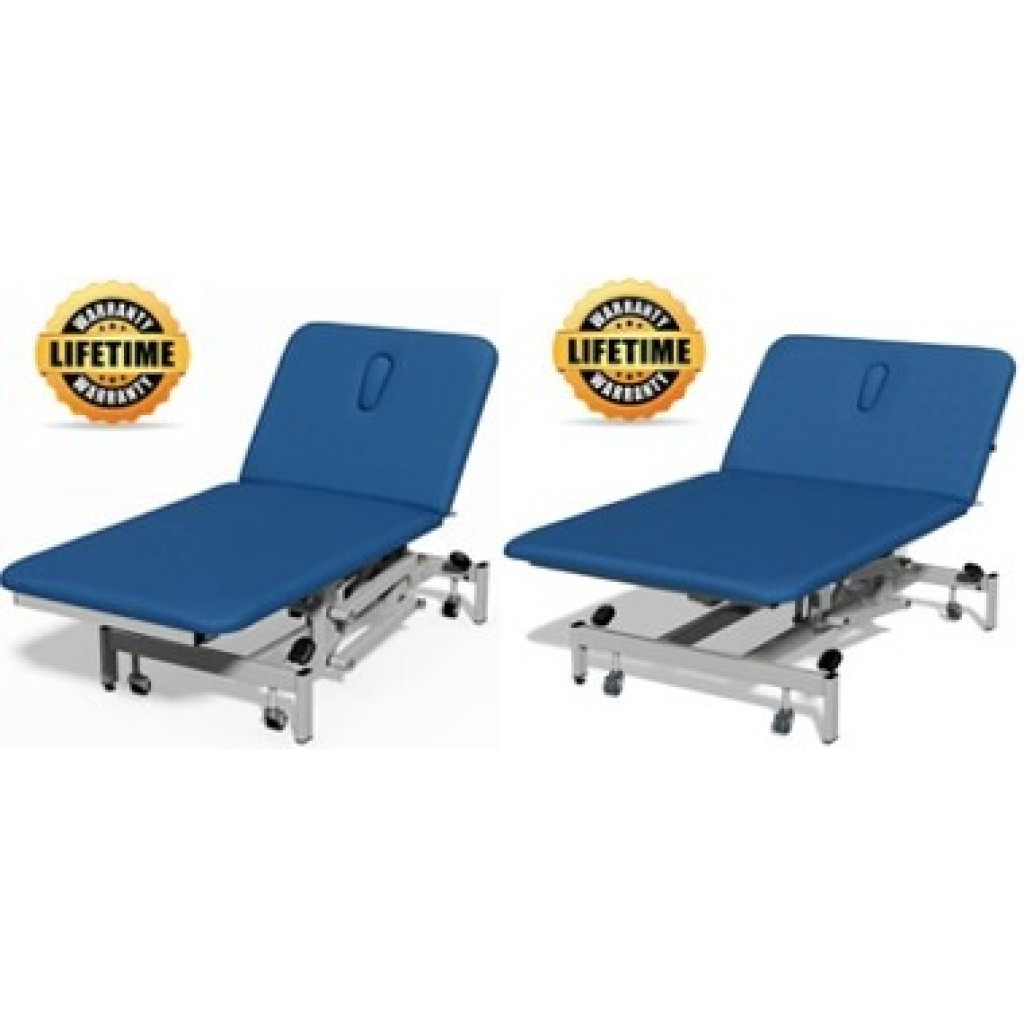
This strong, rigid couch can support patients weighing up to 320kg.
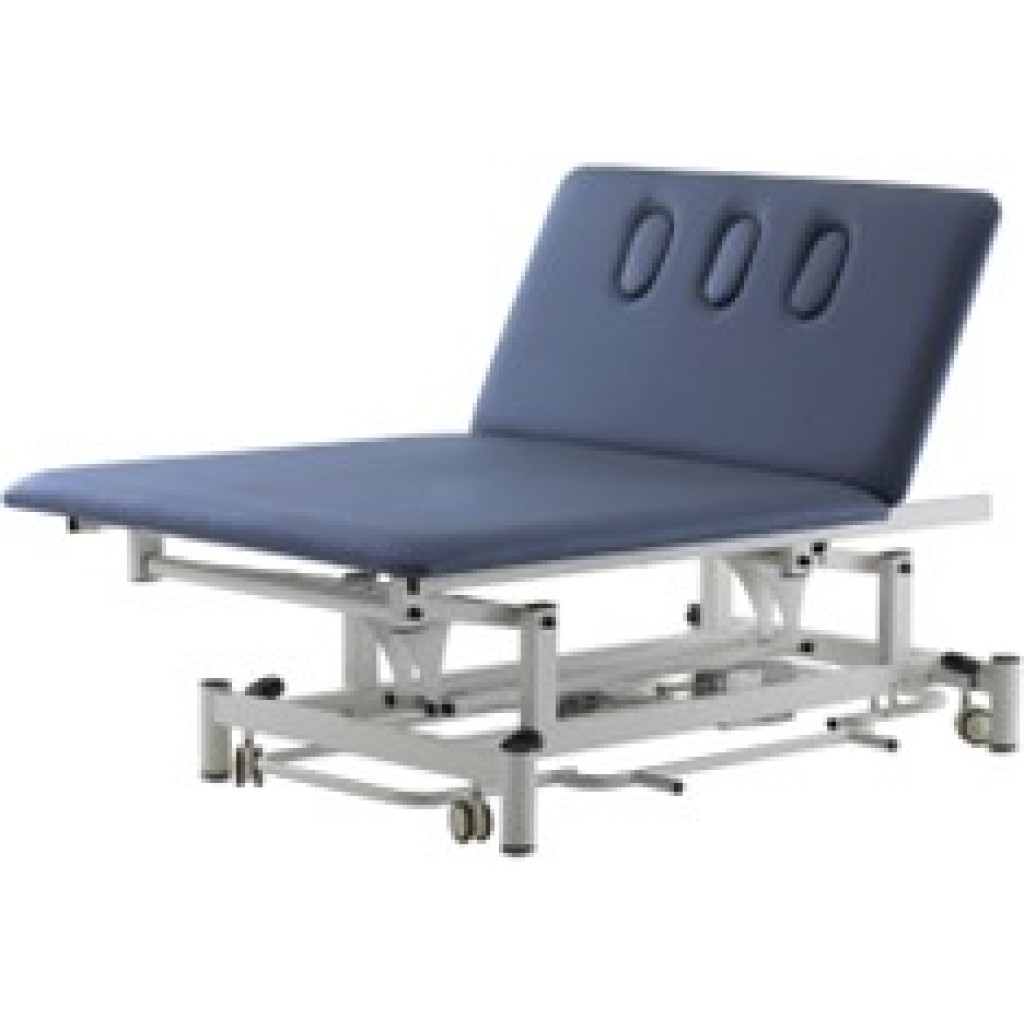
Designed with therapists in mind, this table supports patients weighing up to 225kg and has three breathing holes and plugs.
To see all of our other treatment tables, bariatric couches, and procedure chairs, please explore our Treatment Table, Chairs & Medical Couches collection.
Shopping at Access Health means that whichever Bobath couch you choose will be chock-full of useful features and made from premium materials you can count on for years. Every product we stock is ISO 9001 Quality Approved.
But if you’re unsure which one will be the best choice for your clinic, we’d be happy to help! Just get in touch using our online form or by calling 9878 1399 or 1300 659 540, and we’ll do our best to assist you.
Disclaimer: Access Health is not qualified to agree or deny whether this content is correct. For accurate information, consult your medical professional or provider.
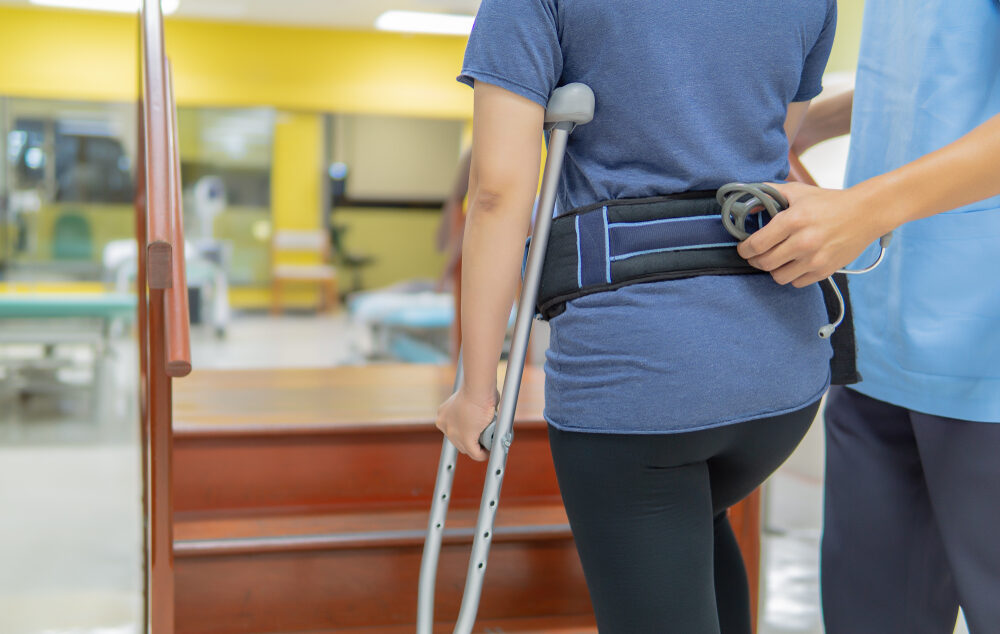
Suppose you have a loved one who has experienced an accident resulting in an injury or a long-term illness that affects your ability to walk. In that case, Rehabilitation Stairs are one of the modalities used to help improve that person’s condition over time. Rehab stairs are a common product used by physiotherapists in facilities […]
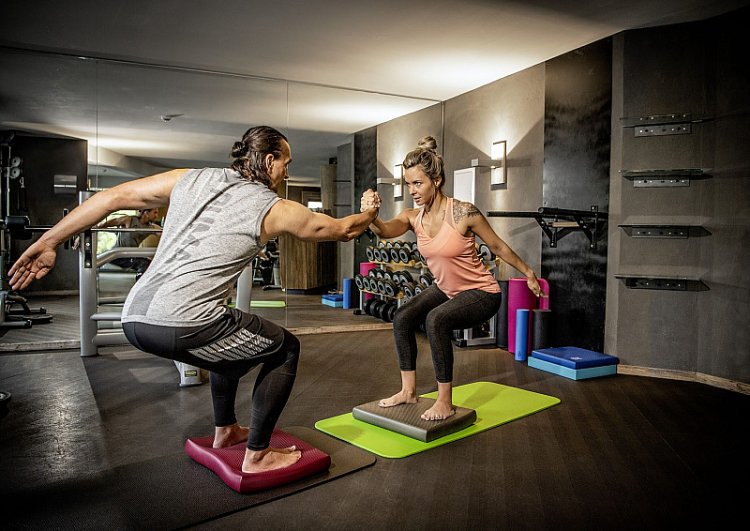
Are you investing time in physiotherapy or personal training? If so, you might have looked into fitness or rehabilitation mats such as the Airex Corona Mats. Designed as a movement therapeutic aid, Airex Corona Mats can be used in physiotherapy clinics and at home. These mats are an excellent way to restore motor skills, balance, […]
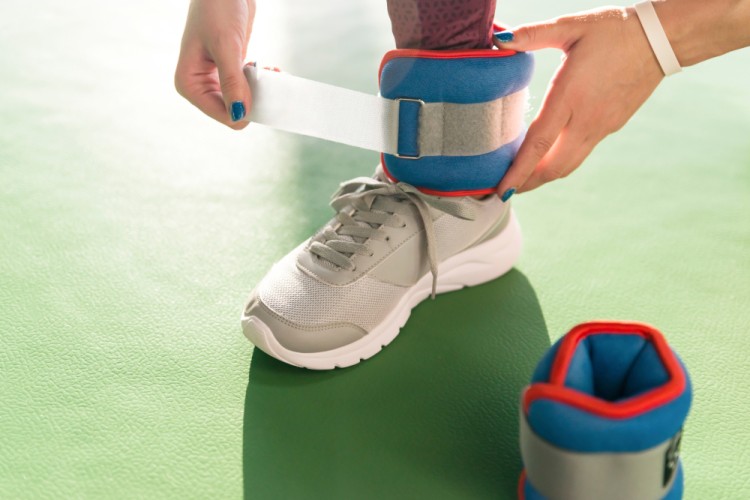
You may have seen ankle cuff weights in a pilates class, strapped onto a passing runner, or as a part of a friend’s strict fitness regimen. But did you know they are also commonly used in physical therapy? Ankle cuff weights, also known as ankle exercisers, are an indispensable tool in physical therapy to assist […]

Physical conditions and injury can reduce quality of life. Daily activities such as dressing, grooming, and household chores require coordination and strength, and resistance bands add gentle resistance for improving muscles over time. This article will explore resistance bands, their uses, and how rehabilitation centres and health professionals can support patient rehabilitation in balance, muscle […]
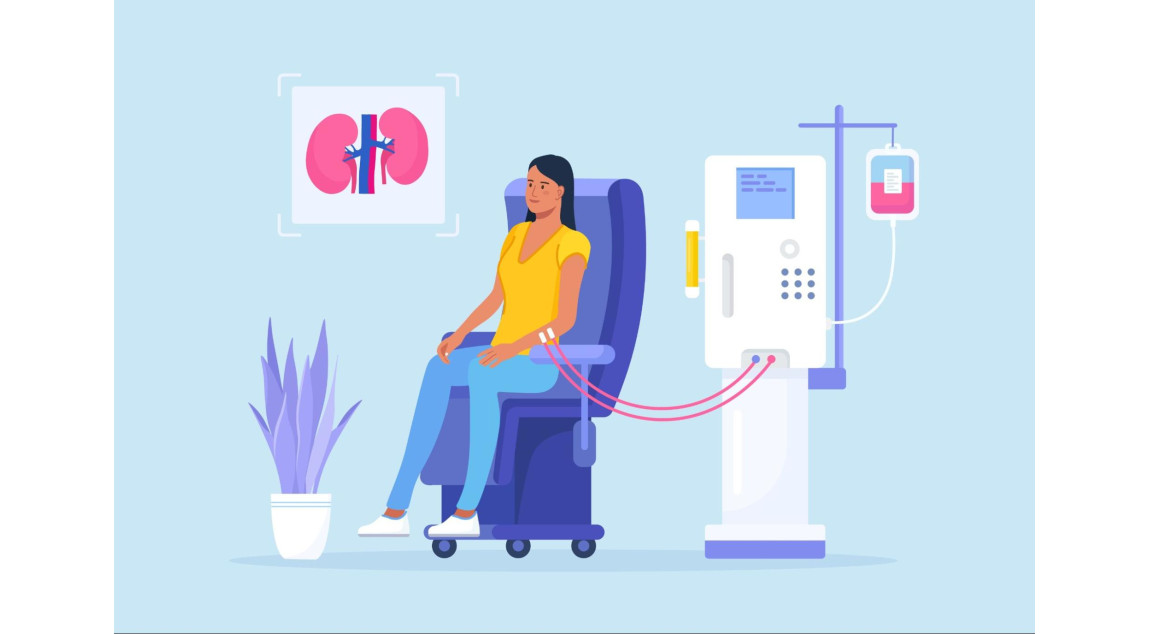
When undergoing dialysis treatment, the comfort of patients comes first. Dialysis takes over the role of the kidneys in cleansing the blood. As these sessions can take several hours, a dialysis couch is an essential piece of equipment supporting patients’ and providers’ health and safety. Whether you’re a healthcare provider, patient, or caregiver, dialysis couches […]
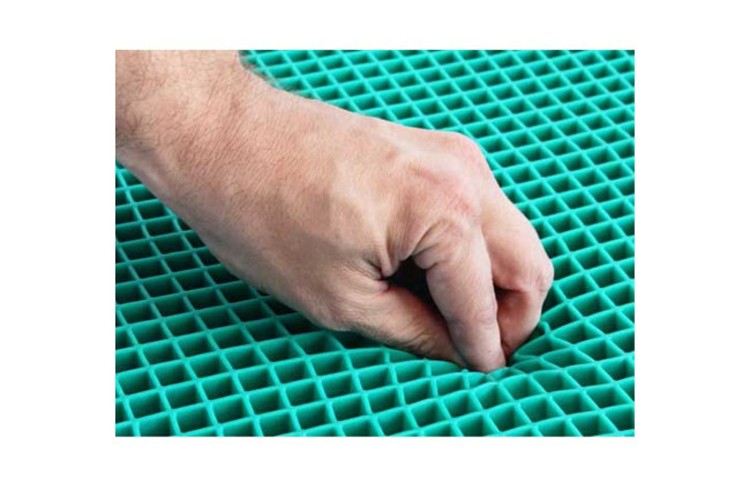
If you have an injury or medical condition limiting your mobility or activity levels, it is important to prevent pressure injuries or sores. This is especially true if you are elderly and more susceptible to health issues. Excessive pressure on one part of the body restricts blood flow and causes tissue damage, skin breakdowns, or […]
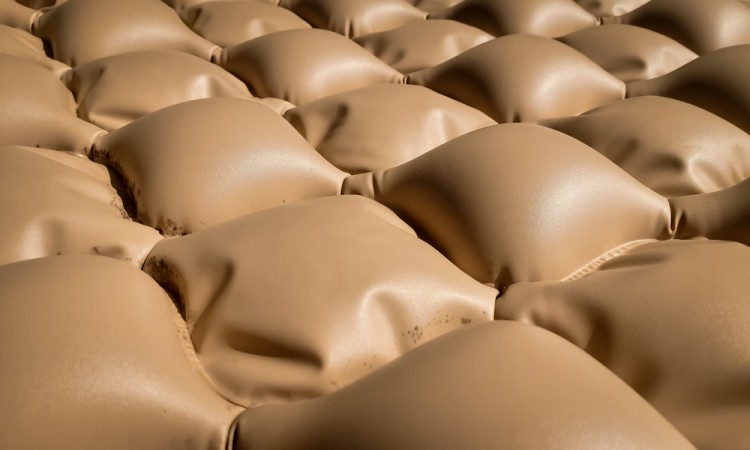
According to Health Direct, pressure sores–also known as ulcers, bed sores, or decubitus ulcers–develop when the skin is damaged by constant pressure or friction. Painful and uncomfortable pressure sores can form when patients are confined to a bed or wheelchair due to disability, illness, age, or frailty. This creates sleep disturbances and infections and affects […]
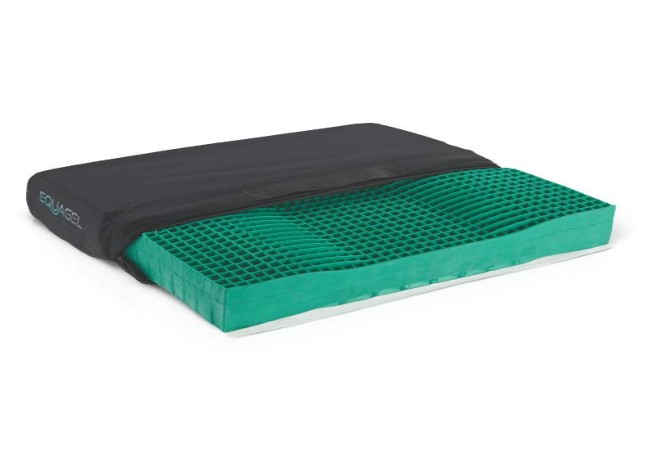
Innovative pressure cushions are critical to patient care and well-being. According to Mayo Clinic, pressure sores–also known as pressure ulcers or bed sores–damage the skin and the tissue underneath. If you have a medical condition that prevents you from moving or changing positions, this increases your risk. This blog will explore pressure sores, the types […]

If you’ve struggled with an injury or need to recover post-surgery, using ankle equipment for an exercise conditioning program can help. Correct rehabilitation supports the patient’s return to normal activities and an active, healthy lifestyle–such as sports and recreational activities–without the added stress of recovery setbacks. This article will highlight the key benefits of using […]
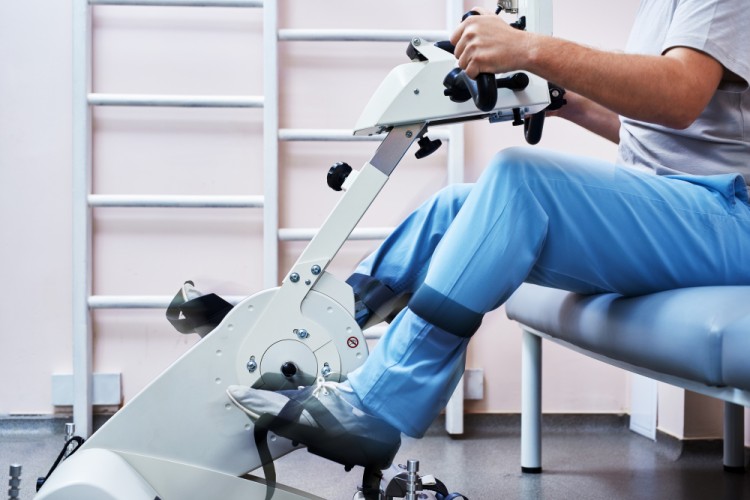
Although exercise bikes are a great choice for anyone wanting to improve fitness levels, they are also excellent for injury prevention and rehabilitation. According to this journal by the National Library of Medicine, in a 16-week aerobic exercise program using bikes, there was improved agility, flexibility, muscular endurance, strength, and cardiopulmonary endurance in female middle […]


