 Login / Register
  Cart
Cart
 Quote
Quote
 Wishlist

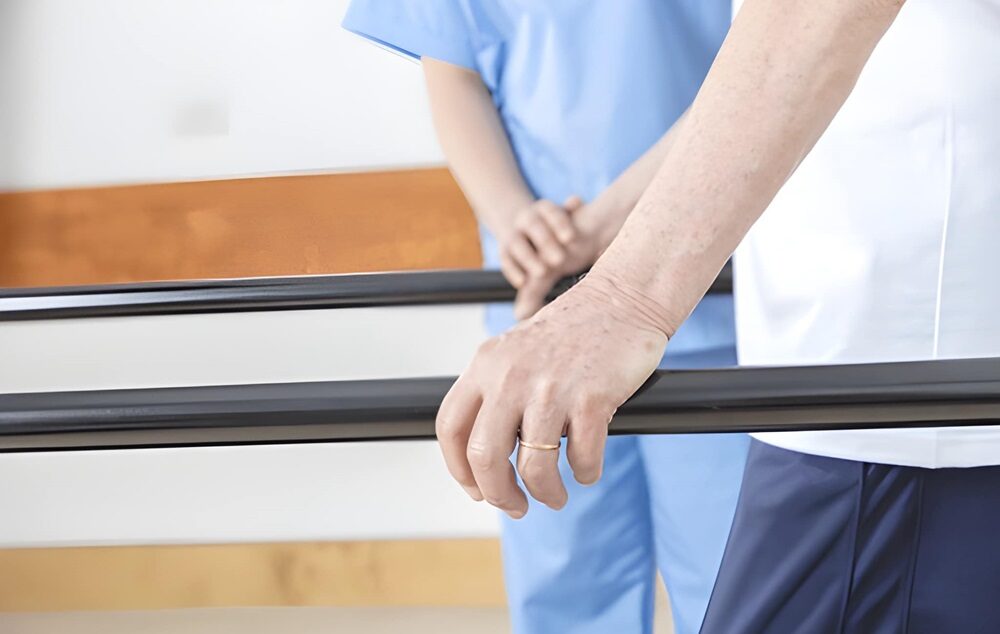
Parallel bars play an important role in physical rehabilitation, and many come with the ability for you to customise the height of both bars and how far apart they stand. Whether you are using them on your own, or developing a physio program for someone under your care, determining the best height and width of the bars will ensure they are used safely and to full effect.
We’re going to briefly discuss how these bars can be used in rehab, then dive into how they can be adjusted to suit different patients and their needs.
You would have seen parallel bars outside of rehab clinics in places like gymnastics centres, dance studios, and playgrounds. But when used in physical rehabilitation, they become a powerful support tool to assist patients who need to regain their muscle strength, improve their gait, and improve their balance.
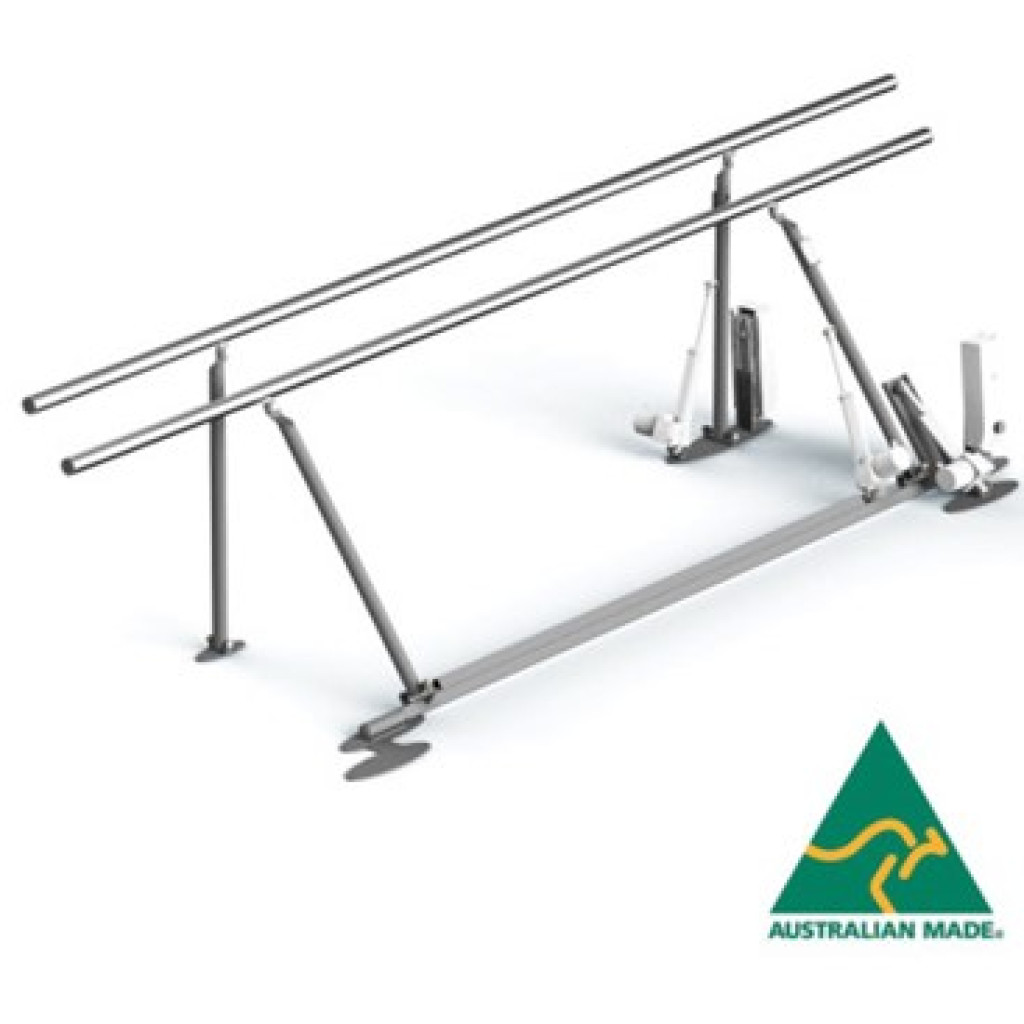
Parallel bars consist of two straight, horizontal bars made from wood or metal (usually stainless steel). The legs and bottom frame will be crafted from steel as well, with the two bars either connected at the bottom or freestanding.
Modern parallel bars used for rehab will have either telescopic legs for adjustment, or an electrical system that angles a support pole up and down to change their height that way. They will need to be bolted to the ground for the safety of patients using them.
The right height and width for your parallel bars to be set to can vary depending on a range of factors, including:
For basic walking exercises, like gait training, the bars should be set as close to the patient’s hip or waist level as possible. When gripping the bars, their elbows should be slightly bent.
If the parallel bars are being used to assist a wheelchair user in getting up, they may need to be set a little lower than this or have their angle adjusted. However, the goal will always be to have them at hip or waist height for people looking to improve their walk.
For use in shoulder stretching exercises, the bars can be set to their maximum height, making them the perfect accompaniment to stretches that target the upper chest, back, and shoulder muscles.
In general, parallel bars should be set to the shoulder width of the patient, give or take a few centimetres. They will need to be able to grip the bars easily without having to overreach, while also having plenty of room to move and turn around inside the bars if needed.
Sometimes, you may need to adjust the width further if the patient is performing exercises that use another piece of equipment, like a step, or if the patient is using a wheelchair. They will need to be able to raise and lower themselves using the extra equipment without brushing past the bars or banging them during sets.
If you believe you will need to adjust the width of your parallel bars, make sure to choose a set that isn’t joined at the bottom (often called ‘folded’) and gives you the option to move them apart or closer together as needed.
Before you start using your therapeutic parallel bars for rehab, balance, or any type of exercise, make sure to check off the following points:
By keeping these points in mind, you can make sure your patients are able to complete their rehabilitation using parallel bars safely and effectively.
At Access Health, we have a range of walking rails available for use in therapeutic settings, with both wooden and stainless steel handrail options available.
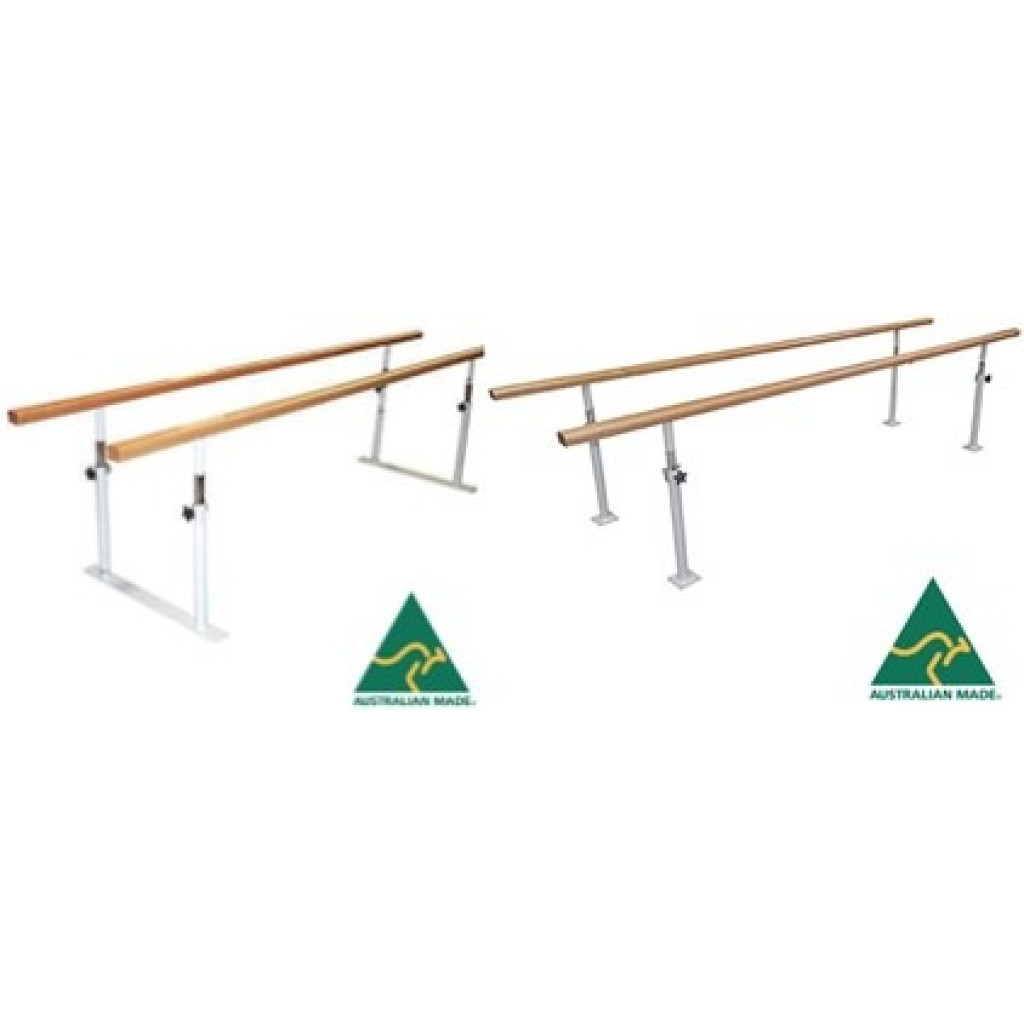
Custom sizing is available–all are manufactured in Melbourne.
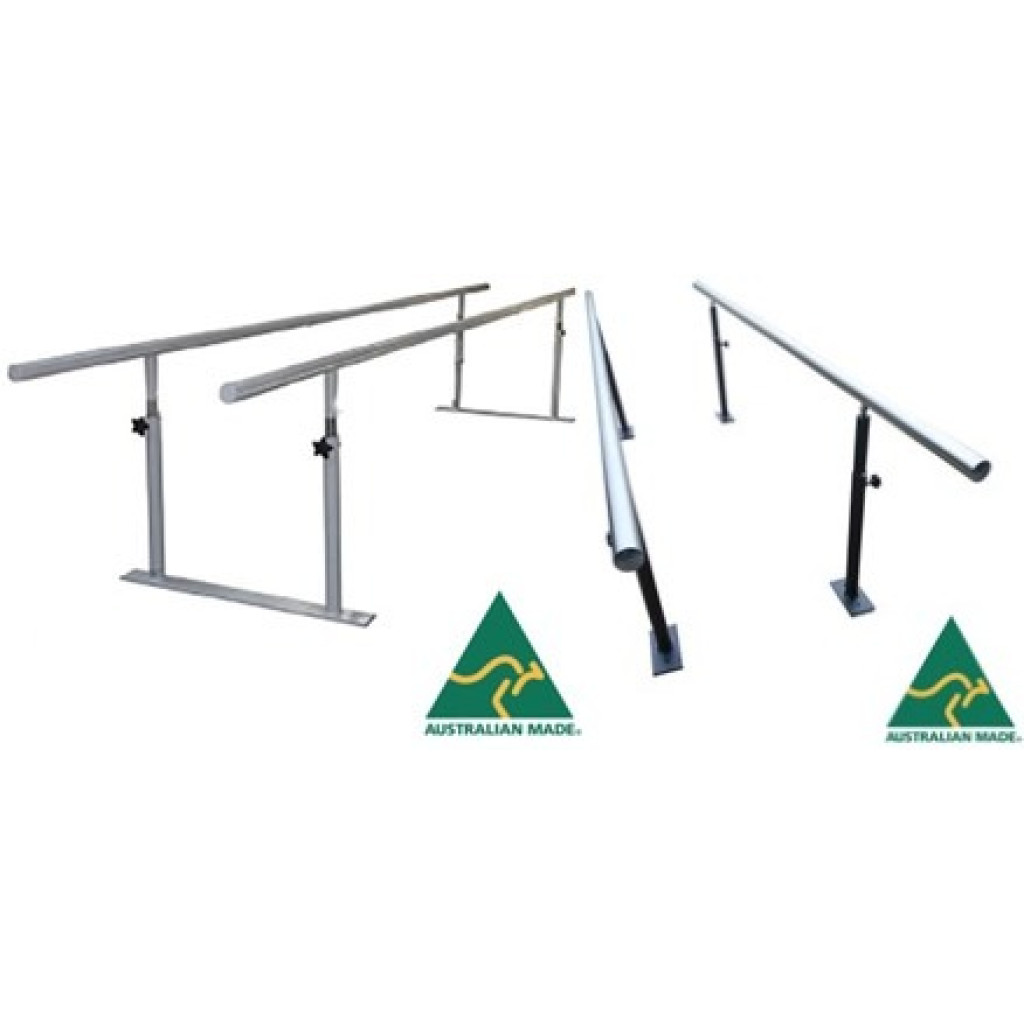
Get in touch if you’d like a custom size for your stainless steel parallel bars.
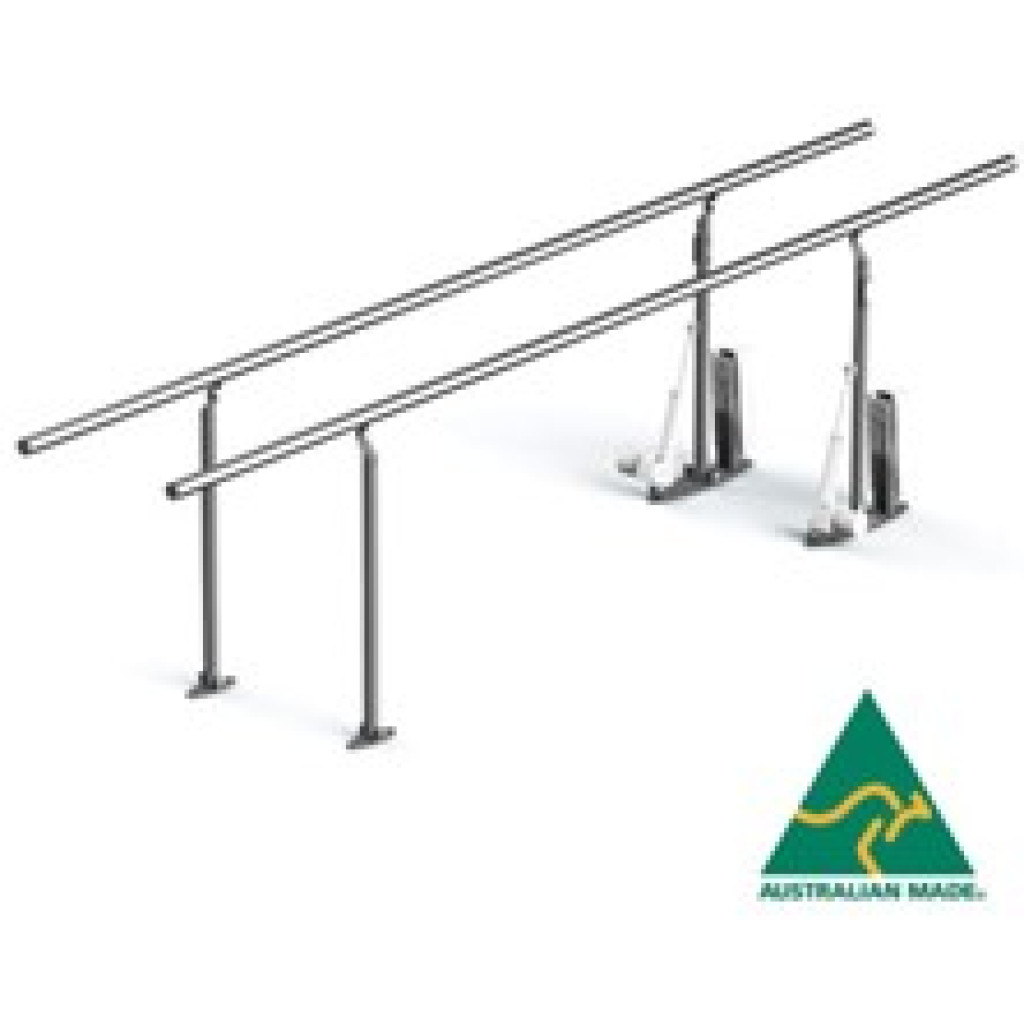
You can purchase our single ACCESS Ballet Rail, which has similar adjustable features to our parallel bars.
Access Health stocks a fantastic range of equipment suitable for use in professional rehabilitation settings or the home. Complement your use of parallel bars in rehab with tools like our range of sturdy rehab steps and stairs, balance boards and fit balls, and a variety of motion products, like our finger and shoulder ladder or shoulder pulley system.
You can trust every product from Access Health to be safe to use in professional physiotherapy and rehabilitation programs. We are ISO 9001 Quality Approved, and are more than happy to help you find the perfect equipment for your needs.
Get in touch by calling 9878 1399 or 1300 659 540, or use our online contact form to leave us a message, and we’ll return your query as soon as we can. We are based in Melbourne, but can deliver supplies anywhere across Australia you need.
Disclaimer: Access Health is not qualified to agree or deny whether this content is correct. For accurate information, consult your medical professional or provider.
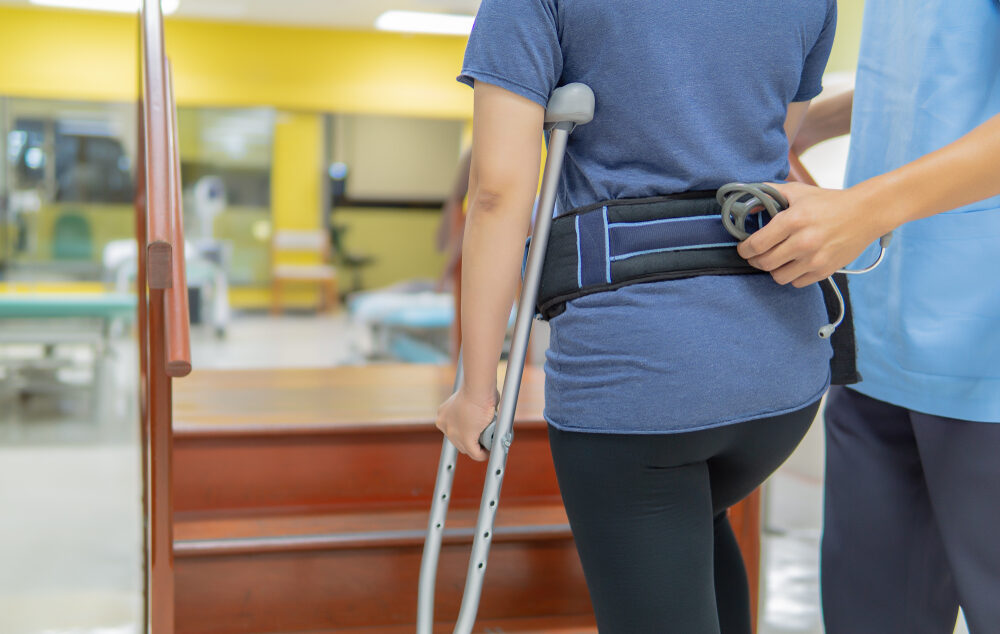
Suppose you have a loved one who has experienced an accident resulting in an injury or a long-term illness that affects your ability to walk. In that case, Rehabilitation Stairs are one of the modalities used to help improve that person’s condition over time. Rehab stairs are a common product used by physiotherapists in facilities […]
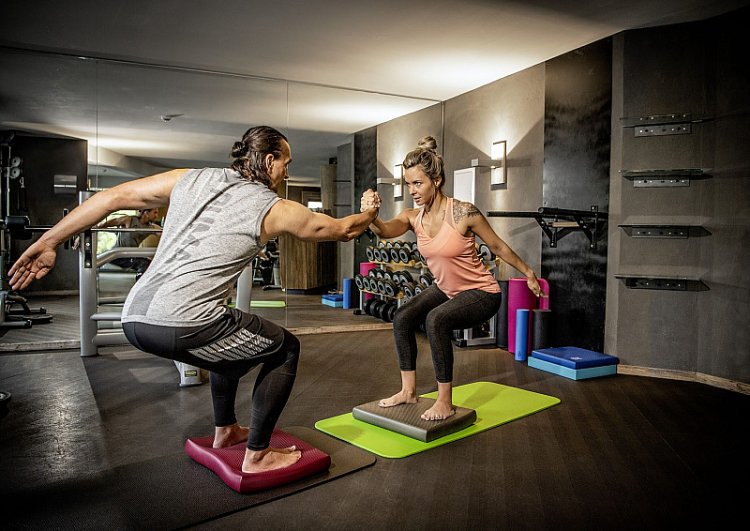
Are you investing time in physiotherapy or personal training? If so, you might have looked into fitness or rehabilitation mats such as the Airex Corona Mats. Designed as a movement therapeutic aid, Airex Corona Mats can be used in physiotherapy clinics and at home. These mats are an excellent way to restore motor skills, balance, […]
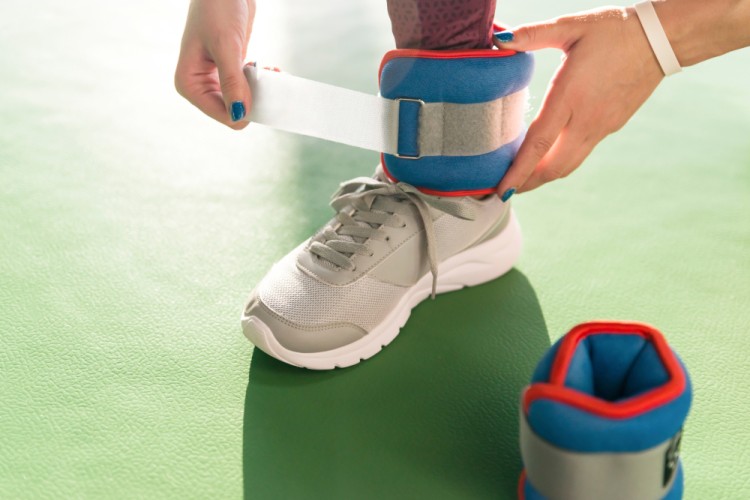
You may have seen ankle cuff weights in a pilates class, strapped onto a passing runner, or as a part of a friend’s strict fitness regimen. But did you know they are also commonly used in physical therapy? Ankle cuff weights, also known as ankle exercisers, are an indispensable tool in physical therapy to assist […]

Physical conditions and injury can reduce quality of life. Daily activities such as dressing, grooming, and household chores require coordination and strength, and resistance bands add gentle resistance for improving muscles over time. This article will explore resistance bands, their uses, and how rehabilitation centres and health professionals can support patient rehabilitation in balance, muscle […]
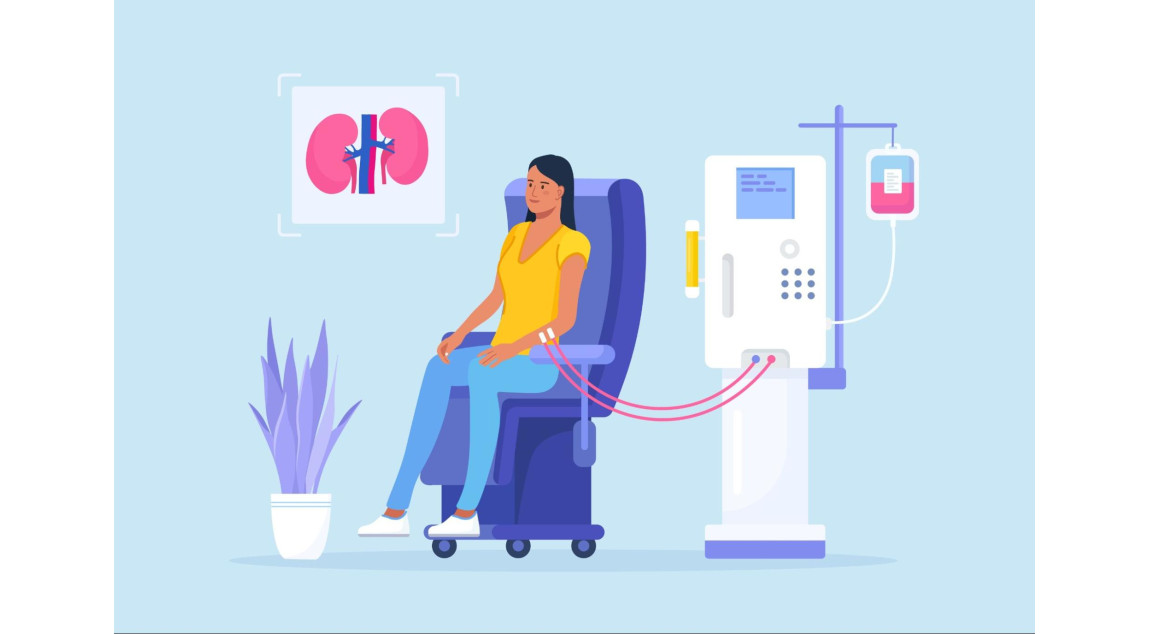
When undergoing dialysis treatment, the comfort of patients comes first. Dialysis takes over the role of the kidneys in cleansing the blood. As these sessions can take several hours, a dialysis couch is an essential piece of equipment supporting patients’ and providers’ health and safety. Whether you’re a healthcare provider, patient, or caregiver, dialysis couches […]
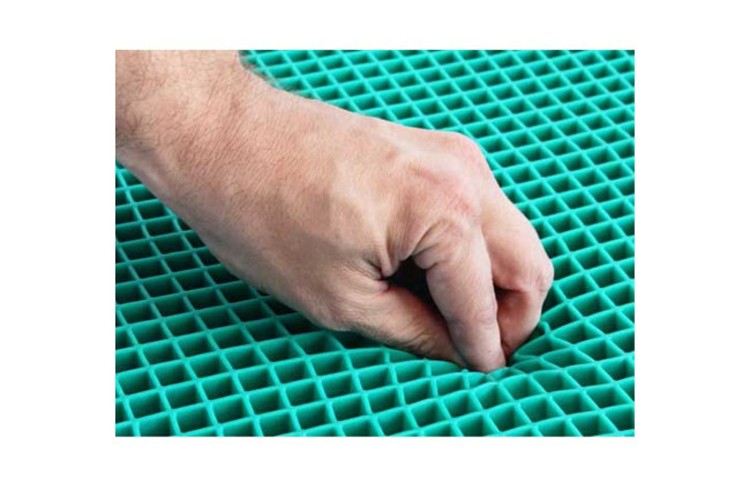
If you have an injury or medical condition limiting your mobility or activity levels, it is important to prevent pressure injuries or sores. This is especially true if you are elderly and more susceptible to health issues. Excessive pressure on one part of the body restricts blood flow and causes tissue damage, skin breakdowns, or […]

According to Health Direct, pressure sores–also known as ulcers, bed sores, or decubitus ulcers–develop when the skin is damaged by constant pressure or friction. Painful and uncomfortable pressure sores can form when patients are confined to a bed or wheelchair due to disability, illness, age, or frailty. This creates sleep disturbances and infections and affects […]
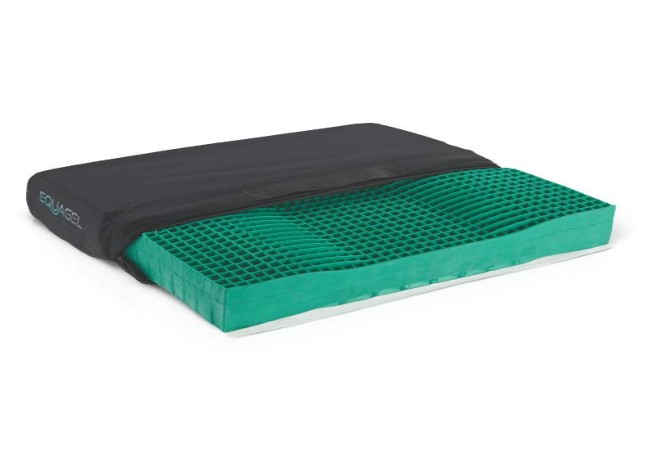
Innovative pressure cushions are critical to patient care and well-being. According to Mayo Clinic, pressure sores–also known as pressure ulcers or bed sores–damage the skin and the tissue underneath. If you have a medical condition that prevents you from moving or changing positions, this increases your risk. This blog will explore pressure sores, the types […]
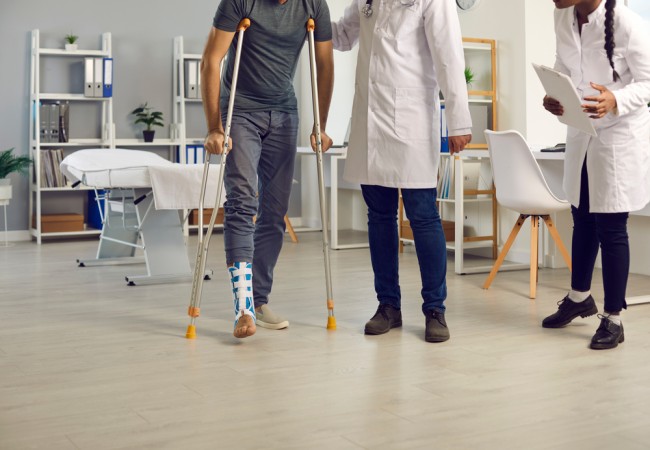
If you’ve struggled with an injury or need to recover post-surgery, using ankle equipment for an exercise conditioning program can help. Correct rehabilitation supports the patient’s return to normal activities and an active, healthy lifestyle–such as sports and recreational activities–without the added stress of recovery setbacks. This article will highlight the key benefits of using […]
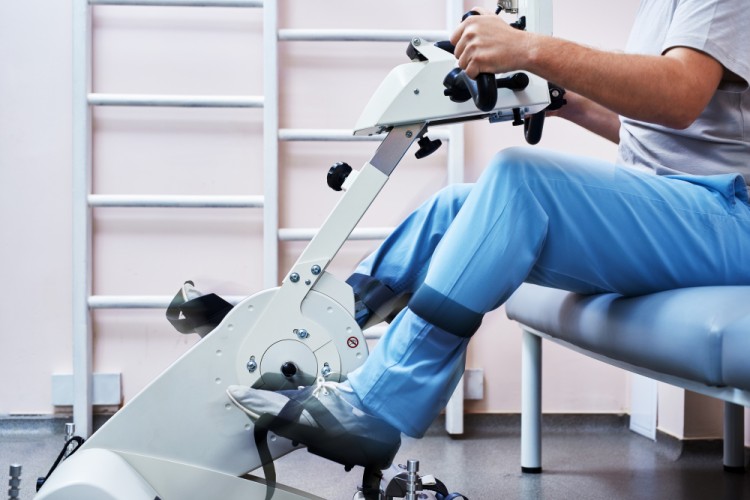
Although exercise bikes are a great choice for anyone wanting to improve fitness levels, they are also excellent for injury prevention and rehabilitation. According to this journal by the National Library of Medicine, in a 16-week aerobic exercise program using bikes, there was improved agility, flexibility, muscular endurance, strength, and cardiopulmonary endurance in female middle […]


