 Login / Register
  Cart
Cart
 Quote
Quote
 Wishlist

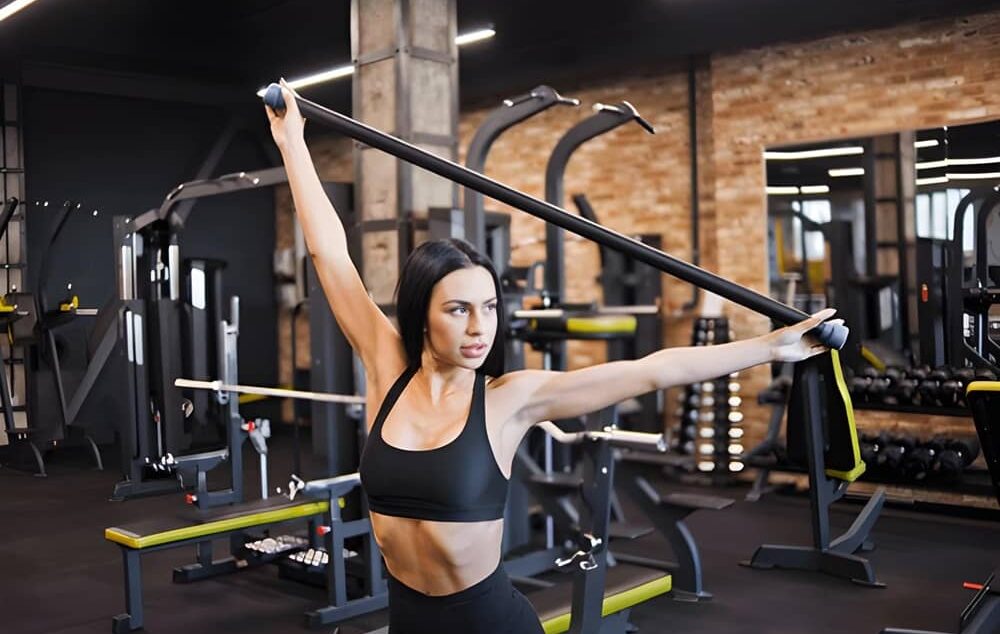
Core strength and good posture are vital ingredients for a long and healthy life. A strong core helps stabilise our bodies and give us good posture. In turn, this aligns our muscles so they are used correctly when we move. The sooner we get into a healthy habit of using a Gymstick to help strengthen our core, the more benefits we will experience with our bodies.
We’ll tell you why posture is important and how your core muscles are used to improve your posture. You’ll also learn how Gymstick can help. Now sit up straight, have your hands relaxed on the desk in front of you and make sure your monitor is at the correct height so you’re not straining your neck to look down.
In short, posture is important so our bones, joints and muscles are all aligned well and being used correctly and painlessly. It helps us maintain balance. Standing up straight with good posture centres and aligns your weight over your feet. Bad posture can leave your weight unbalanced, forcing alternate muscles to work harder to keep you balanced and upright. This can cause body wear and tear over time.
Posture and balance come into our lives in so many different ways. Getting up from a chair, walking and navigating around your home. Physical exercise such as running, dancing and riding a bike all need good posture to keep you balanced and not stumbling, or falling off your bike.
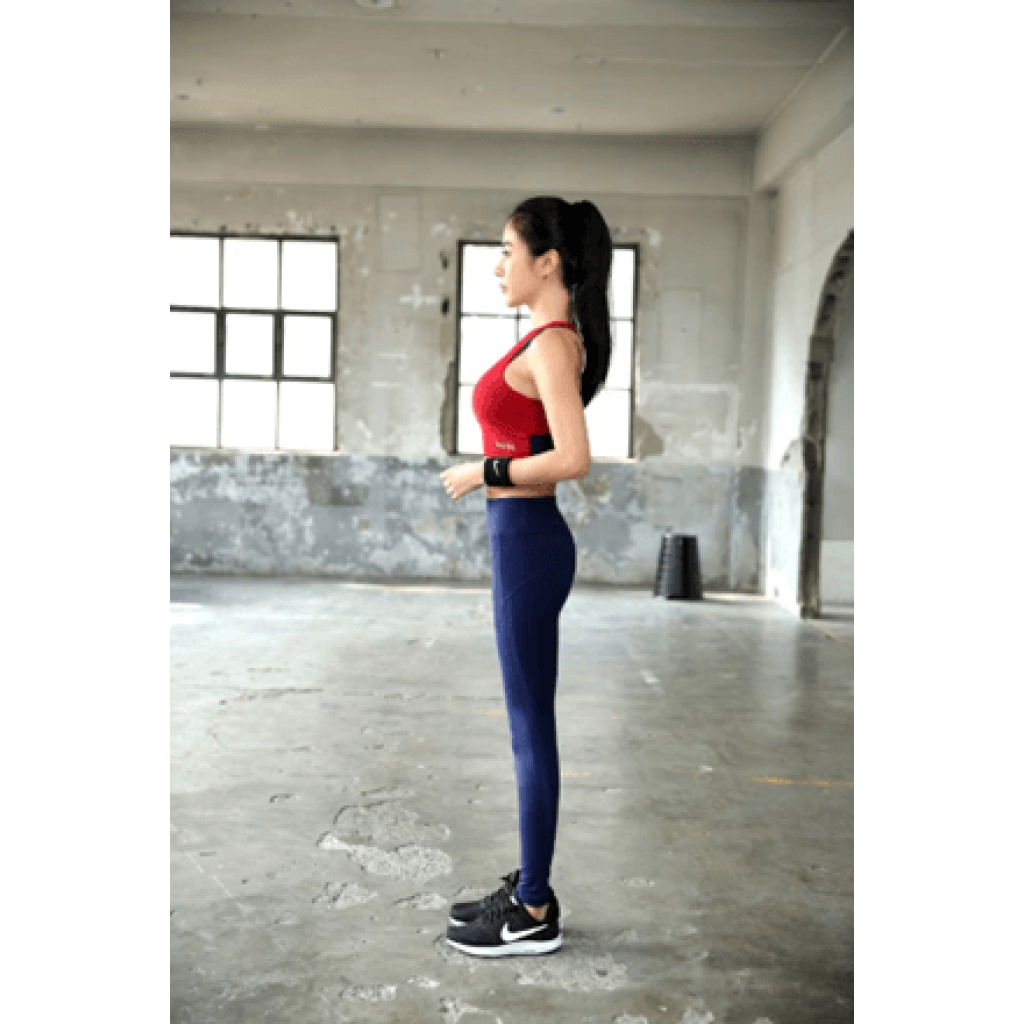
Good posture looks like this:
There are many ways the low-impact but high-resistance workouts with a Gymstick can help strengthen your core and improve your stability.

The core work you do with a Gymstick will lead to better posture, and here’s how:
There are many different exercises and routines you can do with a Gymstick, and at different levels of resistance. However, there are some specific exercise to help strengthen your core, and help with stability and posture.

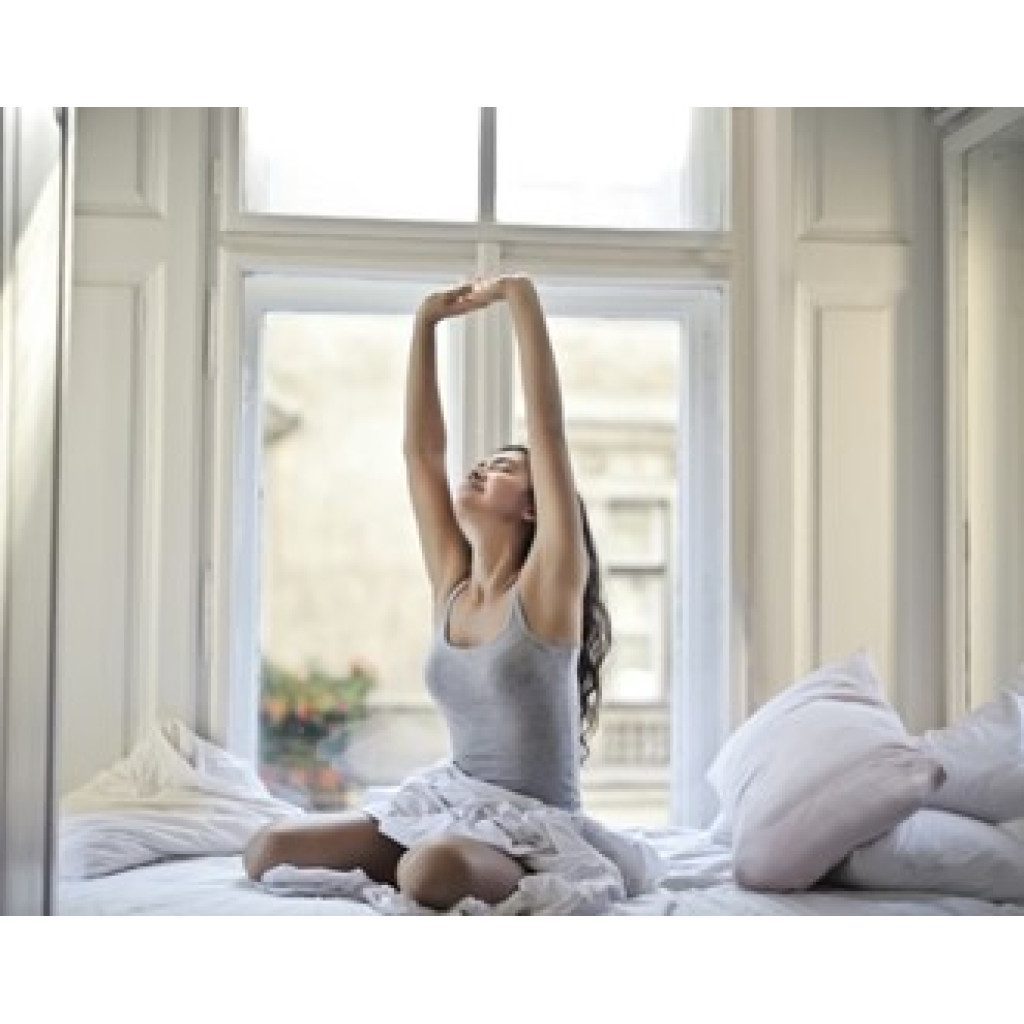
During your everyday travels be aware of how you sit and how you stand. Always try and sit with your feet flat on the floor. Sit up straight and if you can use a back support with your office chair. Sit tall with your shoulders back and engage your core.
Access Health are industry leaders in supplying medical and rehabilitation equipment Australia-wide. We’re a family-owned supplier, established in 1978 and still going strong, helping people of many ages recoup and recover strength and mobility in their lives.
If you’re looking at core strength to help you stabilise and sit up straight, or if you’re rehabbing and recovering from injury that has had you sitting differently or walking awkwardly, then our team would love to help you get back on your feet. Contact us today and let’s understand your needs, and how we can help.
Disclaimer: Access Health is not qualified to agree or deny whether this content is correct. For accurate information, consult your medical professional or provider.
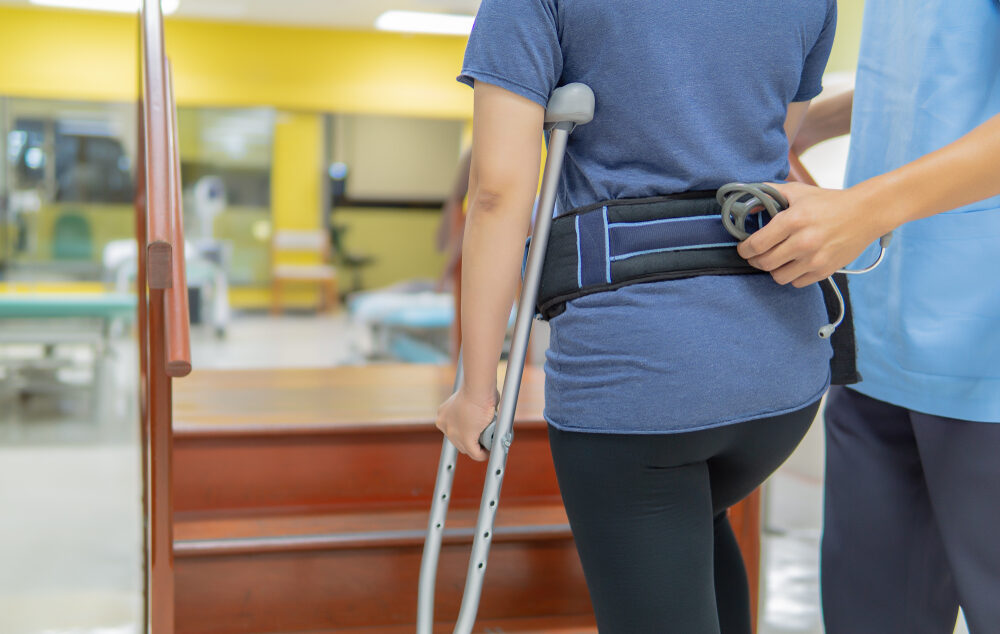
Suppose you have a loved one who has experienced an accident resulting in an injury or a long-term illness that affects your ability to walk. In that case, Rehabilitation Stairs are one of the modalities used to help improve that person’s condition over time. Rehab stairs are a common product used by physiotherapists in facilities […]
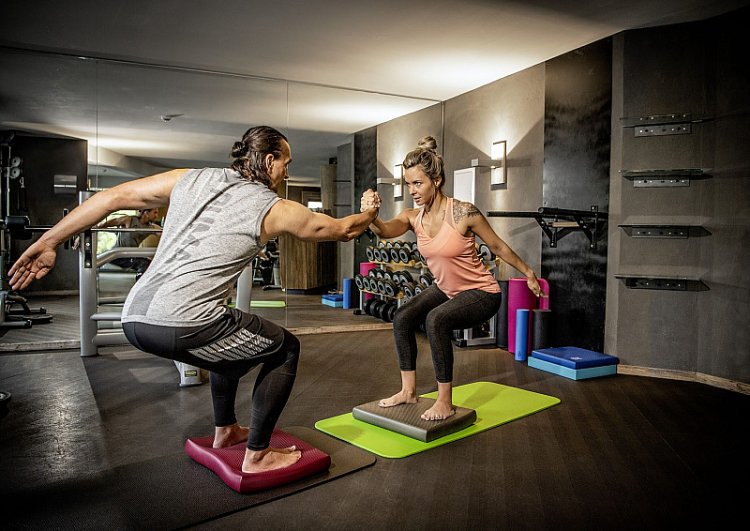
Are you investing time in physiotherapy or personal training? If so, you might have looked into fitness or rehabilitation mats such as the Airex Corona Mats. Designed as a movement therapeutic aid, Airex Corona Mats can be used in physiotherapy clinics and at home. These mats are an excellent way to restore motor skills, balance, […]
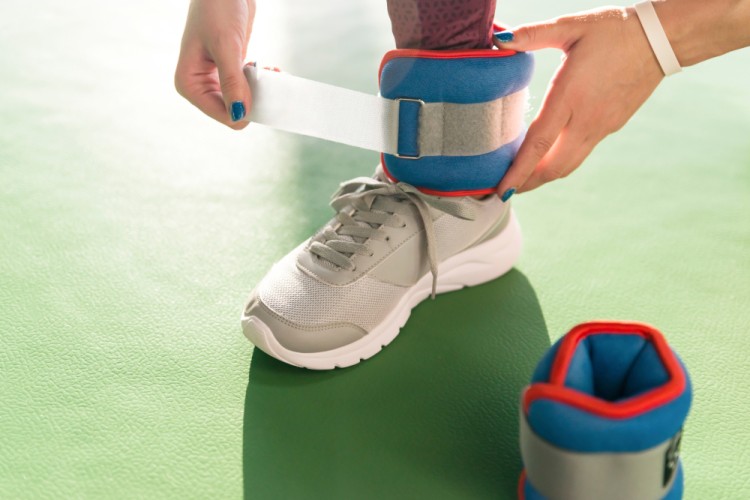
You may have seen ankle cuff weights in a pilates class, strapped onto a passing runner, or as a part of a friend’s strict fitness regimen. But did you know they are also commonly used in physical therapy? Ankle cuff weights, also known as ankle exercisers, are an indispensable tool in physical therapy to assist […]

Physical conditions and injury can reduce quality of life. Daily activities such as dressing, grooming, and household chores require coordination and strength, and resistance bands add gentle resistance for improving muscles over time. This article will explore resistance bands, their uses, and how rehabilitation centres and health professionals can support patient rehabilitation in balance, muscle […]
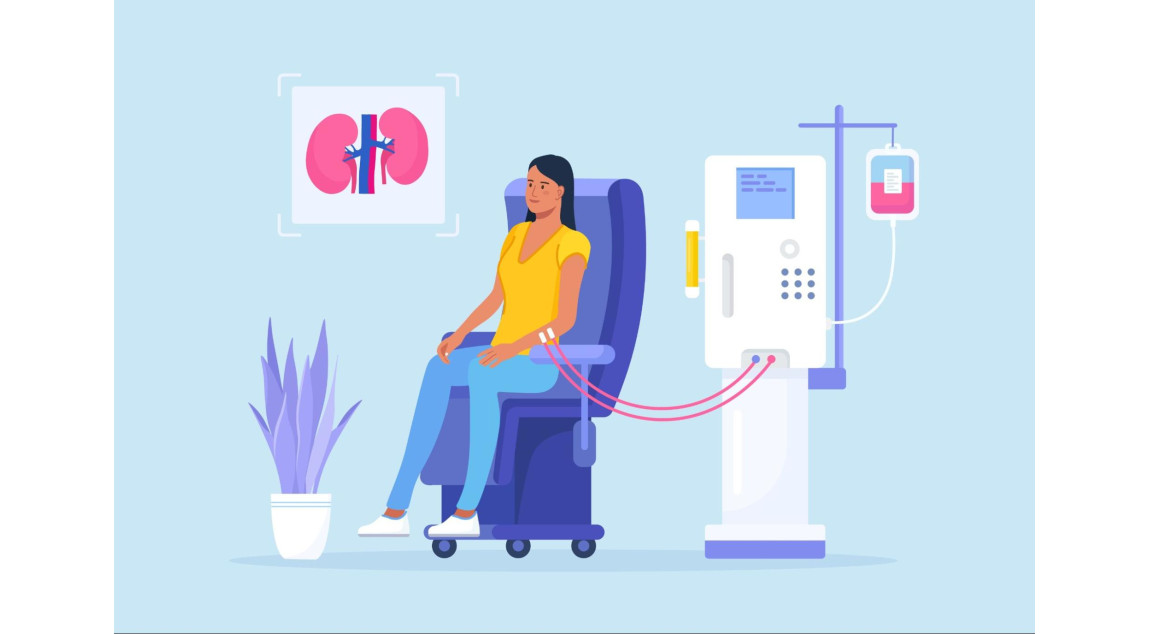
When undergoing dialysis treatment, the comfort of patients comes first. Dialysis takes over the role of the kidneys in cleansing the blood. As these sessions can take several hours, a dialysis couch is an essential piece of equipment supporting patients’ and providers’ health and safety. Whether you’re a healthcare provider, patient, or caregiver, dialysis couches […]
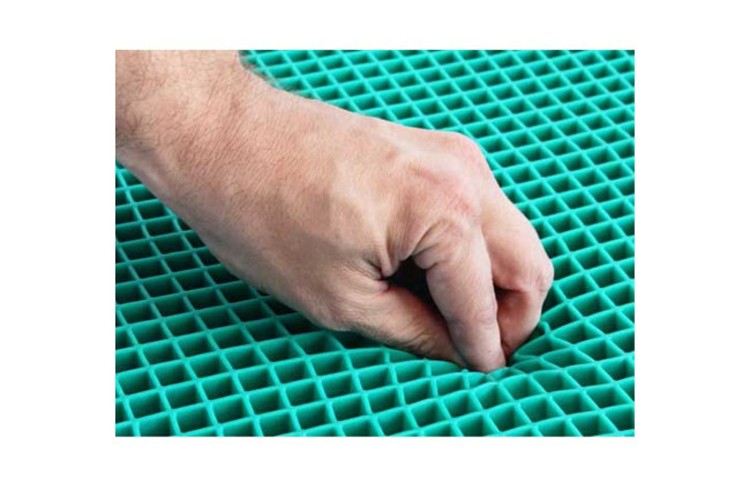
If you have an injury or medical condition limiting your mobility or activity levels, it is important to prevent pressure injuries or sores. This is especially true if you are elderly and more susceptible to health issues. Excessive pressure on one part of the body restricts blood flow and causes tissue damage, skin breakdowns, or […]

According to Health Direct, pressure sores–also known as ulcers, bed sores, or decubitus ulcers–develop when the skin is damaged by constant pressure or friction. Painful and uncomfortable pressure sores can form when patients are confined to a bed or wheelchair due to disability, illness, age, or frailty. This creates sleep disturbances and infections and affects […]
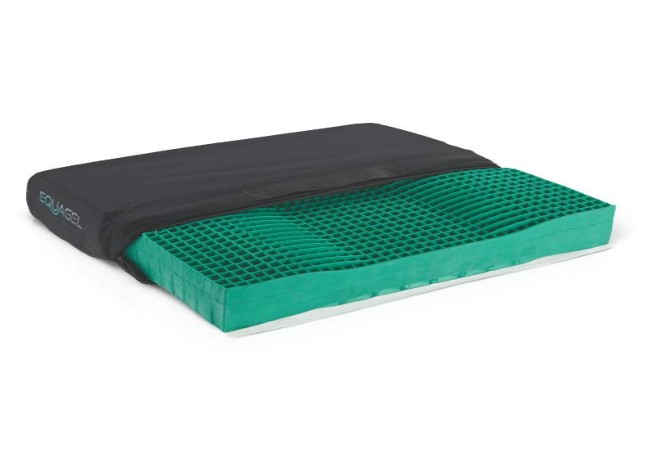
Innovative pressure cushions are critical to patient care and well-being. According to Mayo Clinic, pressure sores–also known as pressure ulcers or bed sores–damage the skin and the tissue underneath. If you have a medical condition that prevents you from moving or changing positions, this increases your risk. This blog will explore pressure sores, the types […]
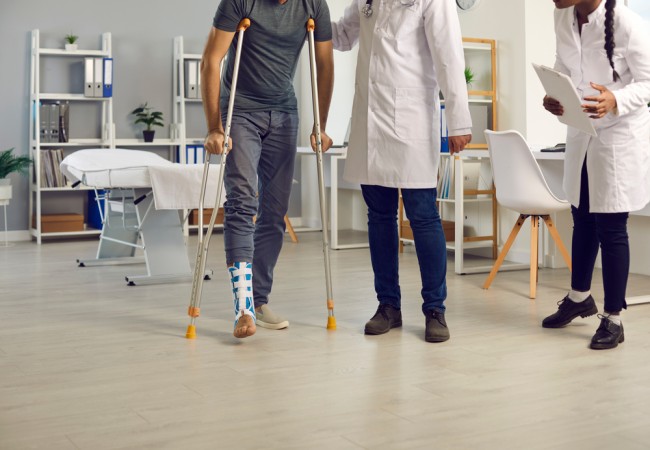
If you’ve struggled with an injury or need to recover post-surgery, using ankle equipment for an exercise conditioning program can help. Correct rehabilitation supports the patient’s return to normal activities and an active, healthy lifestyle–such as sports and recreational activities–without the added stress of recovery setbacks. This article will highlight the key benefits of using […]
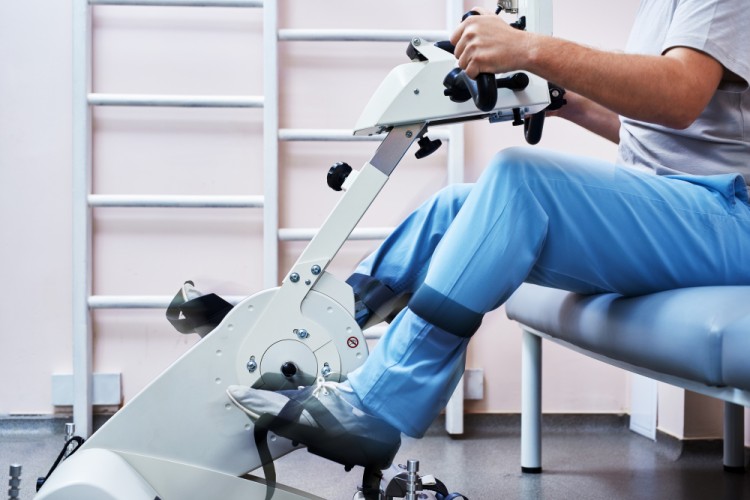
Although exercise bikes are a great choice for anyone wanting to improve fitness levels, they are also excellent for injury prevention and rehabilitation. According to this journal by the National Library of Medicine, in a 16-week aerobic exercise program using bikes, there was improved agility, flexibility, muscular endurance, strength, and cardiopulmonary endurance in female middle […]


