 Login / Register
  Cart
Cart
 Quote
Quote
 Wishlist

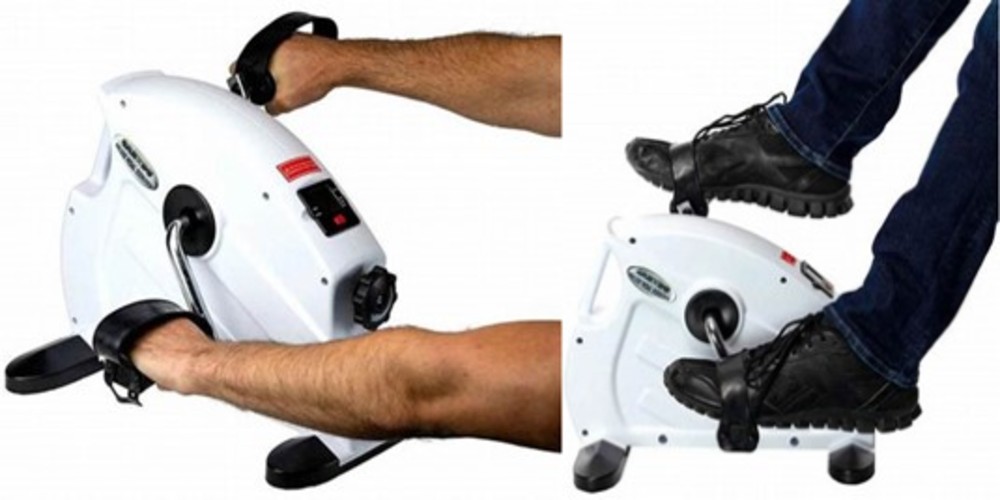
For clinicians prescribing exercise equipment to help rehabilitate lower-limb injuries, the choice comes down to one important question – does your patient need assistance to move, or are they ready to generate the movement themselves? Active Passive Trainers (APT) and pedal exercise machines both come with a simple pedalling action to support circulation, joint mobility, and muscle activation, but they’re designed for very different points on the rehabilitation pathway.
Choosing the right device for the right time in a patient’s recovery journey can make a meaningful difference to the recovery outcome. This guide breaks down how APT trainers and pedal exercise machines differ, as well as what to take into consideration when recommending either equipment to a patient.
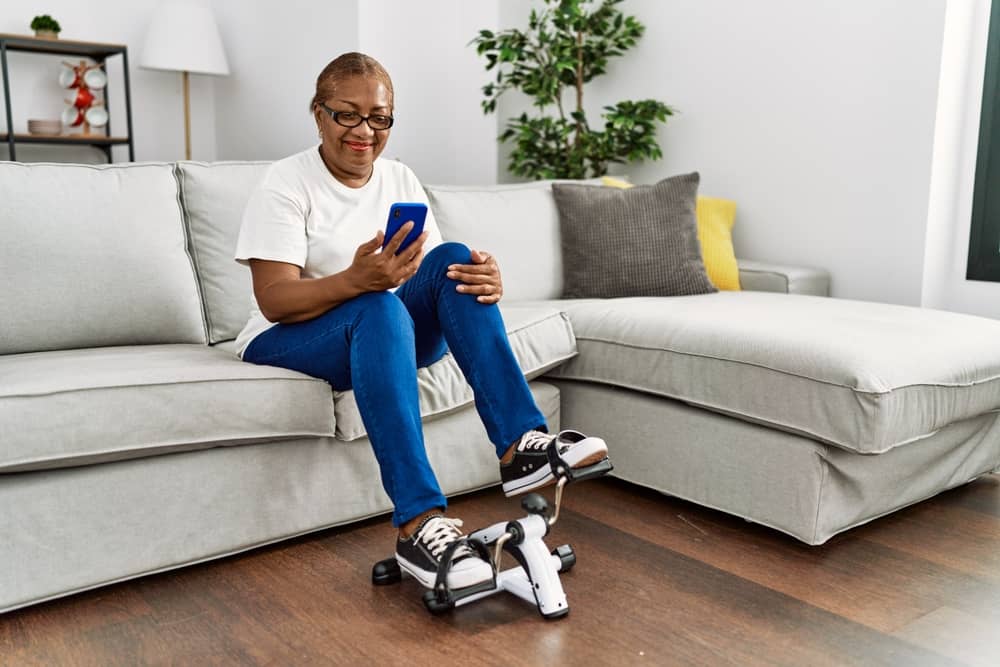
An APT is a motorised device designed to help users get their upper and lower legs moving. It is most commonly used in physical therapy and aged care facilities.
In Passive Mode the motorised pedals or handles, gently rotate while the user holds on. For patients with little or no muscle control it promotes blood circulation and helps to maintain joint flexibility and muscle tone without physical exertion.
In Active Mode the patient engages their own muscles to pedal with, or move against adjustable resistance. This mode helps build cardiovascular endurance, muscle strength and joint mobility.
Features of an APT include:
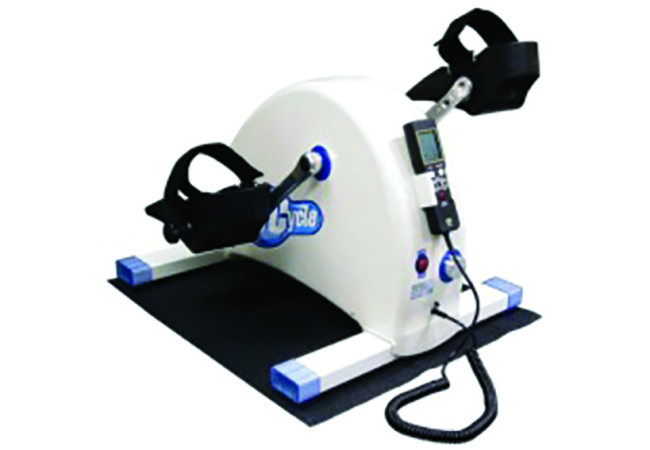
Access Health has an active passive trainer that can sit under a desk, the E-Cycle APT. This product lets patients work both arms and legs from one unit, with four resistance levels for active exercise and smooth forward/reverse cycling for passive exercise. A slow-starting motor and built-in 15/30/45 minute timer make sessions safe and easy to structure. Available standard or with calf supports for extra stability. Enquire now to learn more.
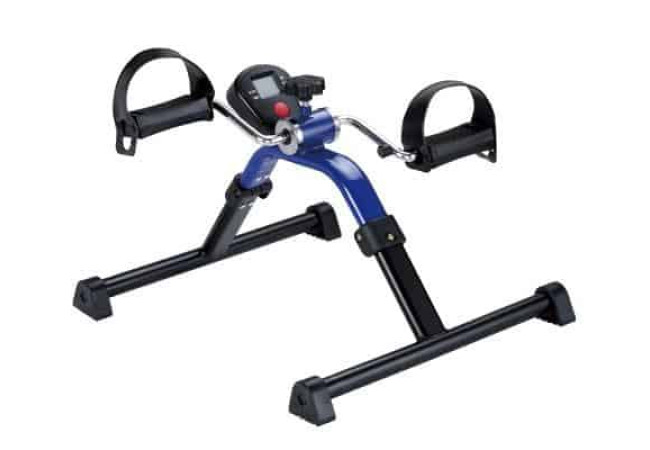
A pedal exercise machine, or mini exercise bike, is a compact and portable fitness device with a set of pedals mounted on a small base. A user can perform low-impact pedalling exercises while seated and can be put under the desk while they work, or can be put on a table for arm workouts.
Usually they are a manual device where a user needs to engage their own muscles to push the pedals around the device. The resistance of the pedals can be increased or decreased manually with the adjusting knob.
Some of the pedalling can be motorised to assist with movement. It’s good for physical therapy and senior fitness, and is a good way to get people up to manual peddling in their recovery journey.
Better units have a digital display to show you the time, distance and other stats and figures, so your patients know how much they have exercised. While they may feel good pedalling for miles, sometimes too much exercise can be damaging during recovery.
The features of a pedal exercise machine include:
The Access Deluxe Pedal Exerciser is a compact, foldable option for legs and arms, with adjustable resistance and a built-in LCD tracking time, reps, and calories burned. Non-slip rubber feet keep it stable during use, and it folds flat for easy storage under a bed or chair. Enquire now.
Both APT trainers and pedal exercise machines offer low-impact cycling exercise for both the lower and upper body, so they are very similar. However, they serve different purposes. Here are the differences laid out for you.
| FEATURE | Active Passive Trainer | Pedal Exercise Machine |
| Power Source | Motor-driven with adjustable speeds. | Manual power. The patient moves the pedals. |
| Primary use | Rehabilitation, neurological therapy, assisted limb mobility. | General fitness, casual calorie burning, active sedentary movement. |
| Key Modes | Passive mode is where the machine moves the user. Active mode is where they push against resistance. Assistive mode is where they begin in Active mode, and then the machine shifts into Passive mode as the user gets tired | Single active resistance mode, where the strength of that resistance can be adjusted. |
| Safety Features | High-end clinical controls such as spasm-detection and auto reverse. | Basic non-slip pedals. |
| Price Point | High end, often classified as medical equipment with units priced from $2000 to $8000 | Low-end. Simple machine, pricing ranging from $30 to $200, |
There are three main kinds of floor pedal exercisers, being manual mini-bikes, under-desk ellipticals and motorised sitters. How much space is available can determine which style of pedal exerciser someone may purchase. Different machines also dictate how a person will pedal, either with a bicycle motion or a stepping motion.
When making recommendations for your patients, consider these things before prescribing one or the other of these pedalling machines:
Recommend an Active Passive Trainer to your patients if:
Recommend a pedal Exercise Machine if:
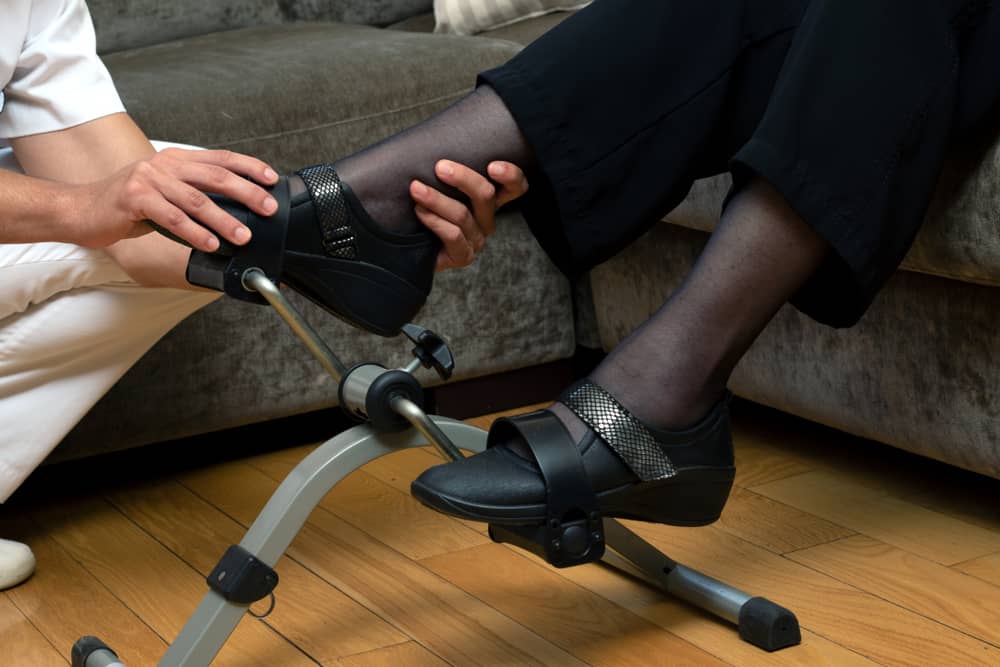
Active passive trainers and pedal exercise machines both have a place in a well-equipped rehabilitation toolkit, but they’re designed to meet patients at different stages of recovery. APT units are built for patients who need motor-assisted movement, while pedal exercisers suit patients who have the strength and control to drive their own movement and simply need a low-impact way to maintain mobility, circulation, and cardiovascular fitness.
For many patients, the right equipment will change as they progress through recovery. Starting on an APT in passive or assistive mode and graduating to a manual pedal exerciser as strength returns can be a natural part of a rehabilitation pathway, giving patients a sense of progress along the way.
Access Health stocks a range of APT units and pedal exercise machines suited to clinical and home-based rehabilitation settings. Browse the full APT range or pedal exercisers to find the right fit for your patients, or get in touch with our team for tailored equipment advice.
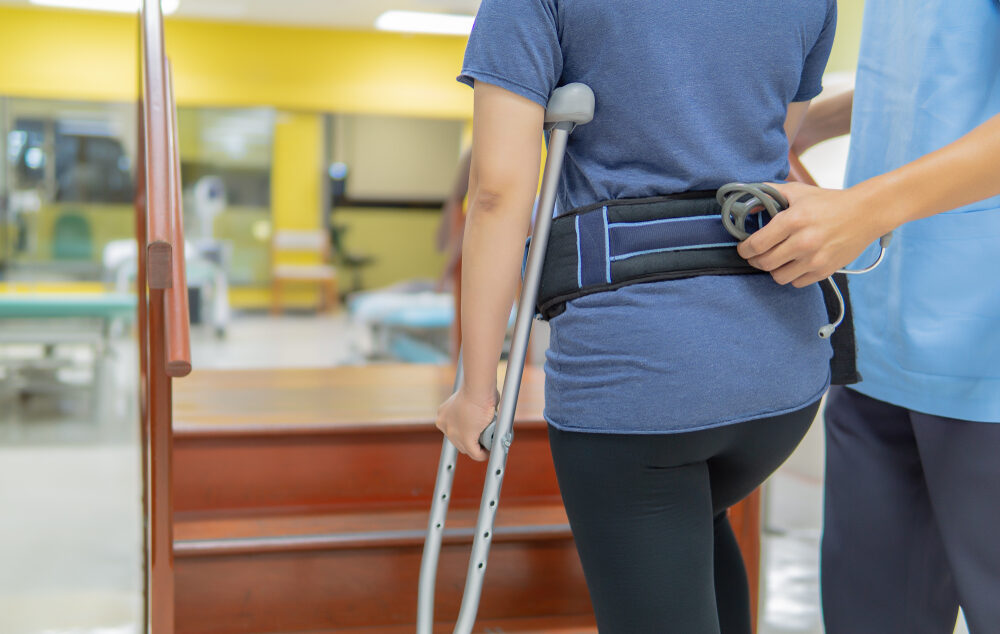
Suppose you have a loved one who has experienced an accident resulting in an injury or a long-term illness that affects your ability to walk. In that case, Rehabilitation Stairs are one of the modalities used to help improve that person’s condition over time. Rehab stairs are a common product used by physiotherapists in facilities […]
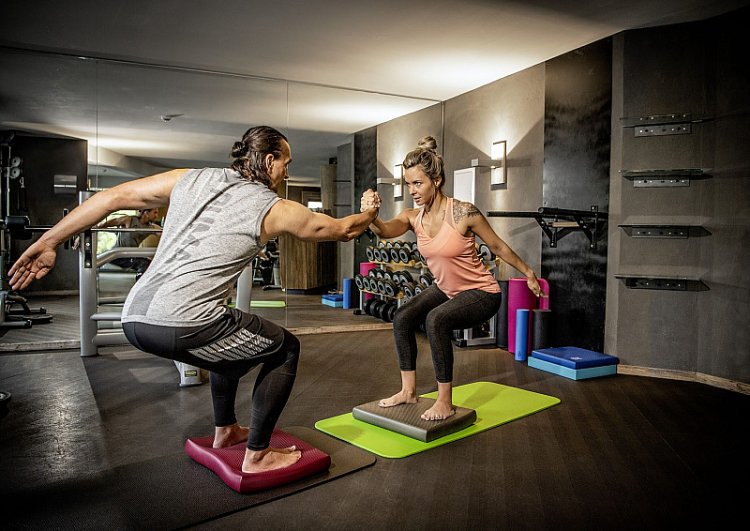
Are you investing time in physiotherapy or personal training? If so, you might have looked into fitness or rehabilitation mats such as the Airex Corona Mats. Designed as a movement therapeutic aid, Airex Corona Mats can be used in physiotherapy clinics and at home. These mats are an excellent way to restore motor skills, balance, […]
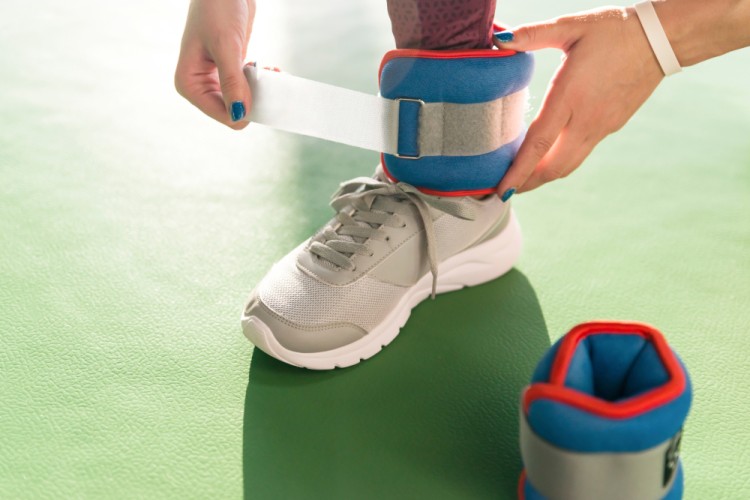
You may have seen ankle cuff weights in a pilates class, strapped onto a passing runner, or as a part of a friend’s strict fitness regimen. But did you know they are also commonly used in physical therapy? Ankle cuff weights, also known as ankle exercisers, are an indispensable tool in physical therapy to assist […]

Physical conditions and injury can reduce quality of life. Daily activities such as dressing, grooming, and household chores require coordination and strength, and resistance bands add gentle resistance for improving muscles over time. This article will explore resistance bands, their uses, and how rehabilitation centres and health professionals can support patient rehabilitation in balance, muscle […]
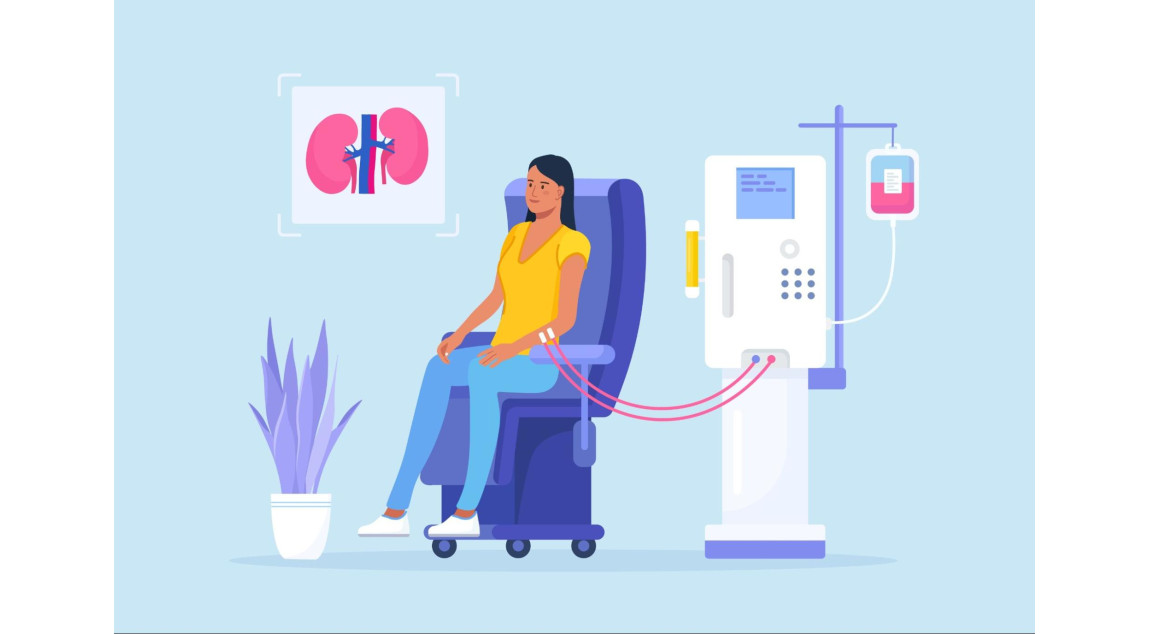
When undergoing dialysis treatment, the comfort of patients comes first. Dialysis takes over the role of the kidneys in cleansing the blood. As these sessions can take several hours, a dialysis couch is an essential piece of equipment supporting patients’ and providers’ health and safety. Whether you’re a healthcare provider, patient, or caregiver, dialysis couches […]
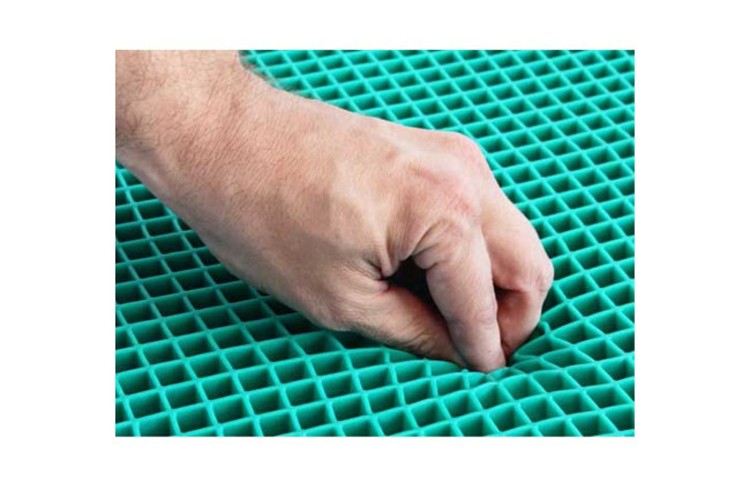
If you have an injury or medical condition limiting your mobility or activity levels, it is important to prevent pressure injuries or sores. This is especially true if you are elderly and more susceptible to health issues. Excessive pressure on one part of the body restricts blood flow and causes tissue damage, skin breakdowns, or […]
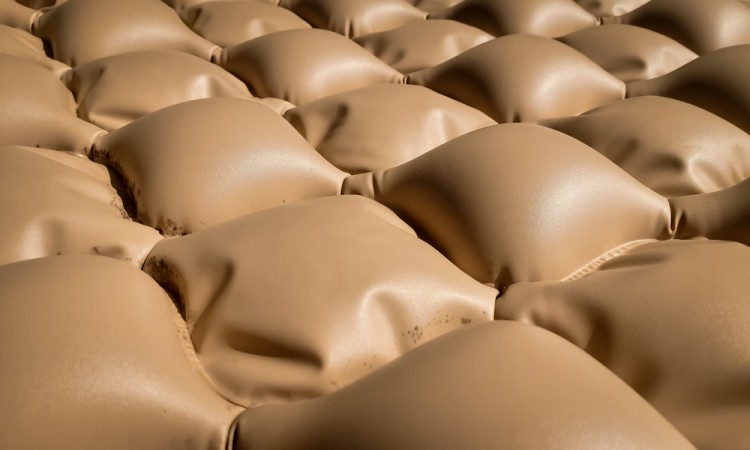
According to Health Direct, pressure sores–also known as ulcers, bed sores, or decubitus ulcers–develop when the skin is damaged by constant pressure or friction. Painful and uncomfortable pressure sores can form when patients are confined to a bed or wheelchair due to disability, illness, age, or frailty. This creates sleep disturbances and infections and affects […]
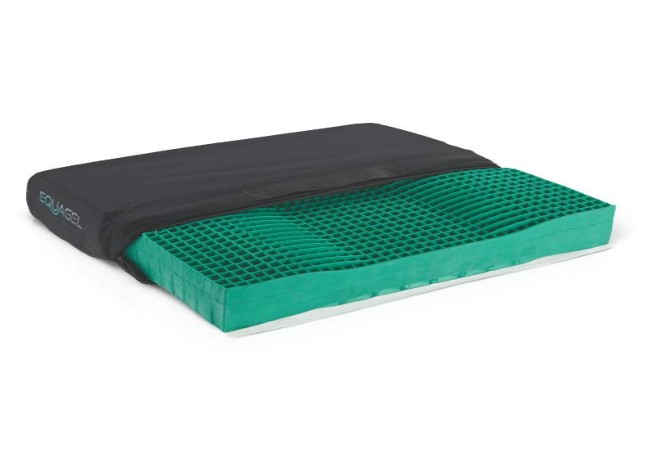
Innovative pressure cushions are critical to patient care and well-being. According to Mayo Clinic, pressure sores–also known as pressure ulcers or bed sores–damage the skin and the tissue underneath. If you have a medical condition that prevents you from moving or changing positions, this increases your risk. This blog will explore pressure sores, the types […]
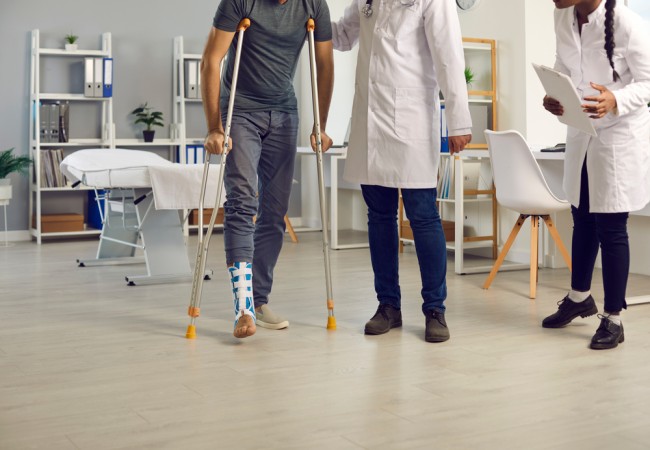
If you’ve struggled with an injury or need to recover post-surgery, using ankle equipment for an exercise conditioning program can help. Correct rehabilitation supports the patient’s return to normal activities and an active, healthy lifestyle–such as sports and recreational activities–without the added stress of recovery setbacks. This article will highlight the key benefits of using […]
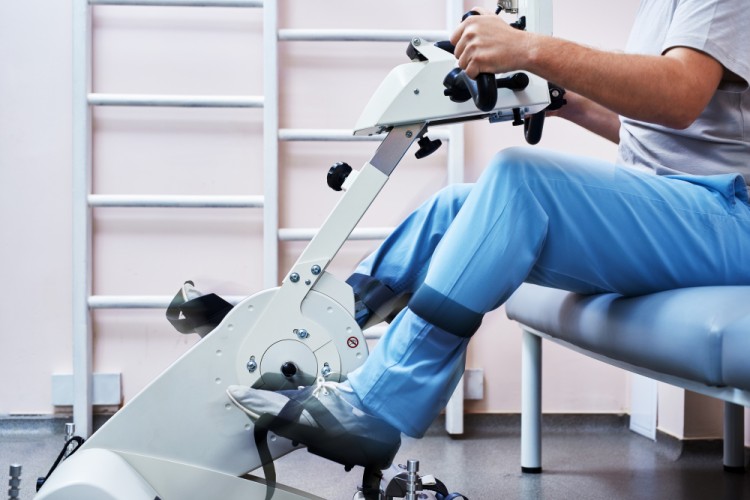
Although exercise bikes are a great choice for anyone wanting to improve fitness levels, they are also excellent for injury prevention and rehabilitation. According to this journal by the National Library of Medicine, in a 16-week aerobic exercise program using bikes, there was improved agility, flexibility, muscular endurance, strength, and cardiopulmonary endurance in female middle […]


