 Login / Register
  Cart
Cart
 Quote
Quote
 Wishlist

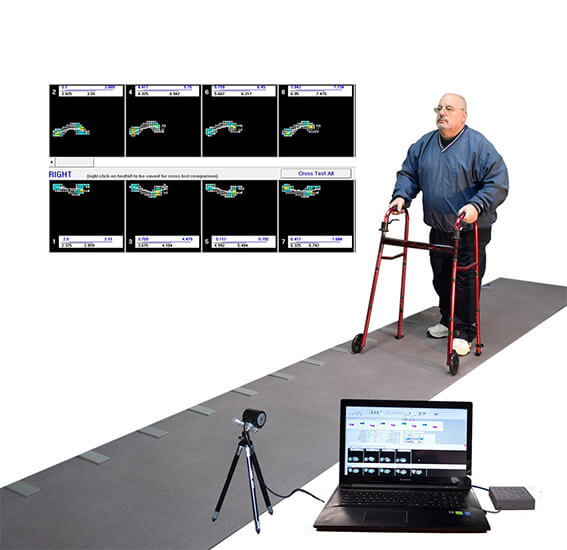
A sudden stroke, a traumatic fall or a spinal injury;for many patients these life-altering events signal the beginning of a long rehabilitation journey back to independence, including walking unassisted. Relearning how to walk means they need determination, the best support staff, and the right rehabilitation equipment. The combination of GAITRite and parallel bars provides a powerful rehabilitation framework, and can help patients gain strength and confidence, and realign their gait to have them walking straight again.
Access Health has been a trusted supplier of medical and rehabilitation equipment across Australia since 1978. Our range includes GAITrite systems, parallel bars and walking rails to help with your walking rehabilitation. We make sure clinicians across the country have access to the best tools available to help.
The following article will explore what causes gait problems, and how these two tools, working together, can help patients move with confidence once again.
Gait is a collective term used to describe someone’s specific style, or pattern, of walking or running, however they move around on foot. It is unique to each individual and can be influenced by height and weight, age or even your mood.
Rehabilitation using GAITRite and parallel bars is usually focused on walking, but as the saying goes you need to walk before you can run. So we are helping with the gait of a person, as a whole.
Health professionals will analyse a person’s gait to assess their mobility and balance to determine if they are at risk of falling.
Examples of an altered gait include limping or shuffling, dragging your toes or short, hesitant steps.
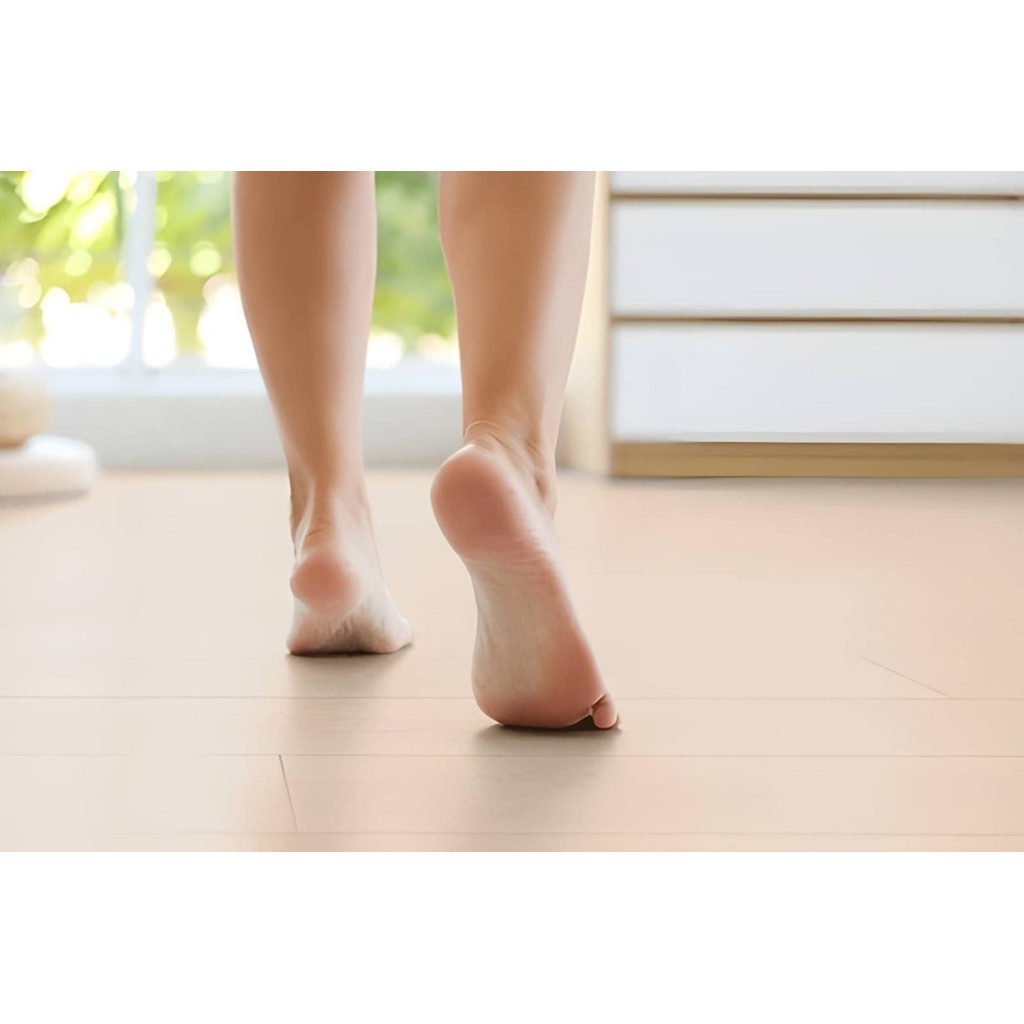
GAITRite is a portable electronic walkway that is used to measure the geometry and relative arrangement of each footfall, as a function of time, as you walk along it.
The embedded sensors analyse walking speed, step length, cadence and pressure distribution across the soles of your feet. This can help identify anomalies, evaluate your mobility and help track your rehab progress.
As a person walks across the mat it records the geometry and pressure of each footfall. It can measure inconsistencies between each foot, or differences in how a person’s feet fall based on a standard model.
It is an efficient and objective way to measure abnormalities than manual observation, and far more accurate too.
In the rehabilitation world, parallel bars are a fundamental tool in helping people walk again. They consist of two parallel bars, metal or wood, that are height-adjustable. They provide a very stable and safe way for patients to stand, weight-bear on their legs and get back to walking again.
Parallel bars are excellent for the initial weight-bearing rehabilitation. Patients with weakness in their legs can gradually put weight on them without fear of falling.
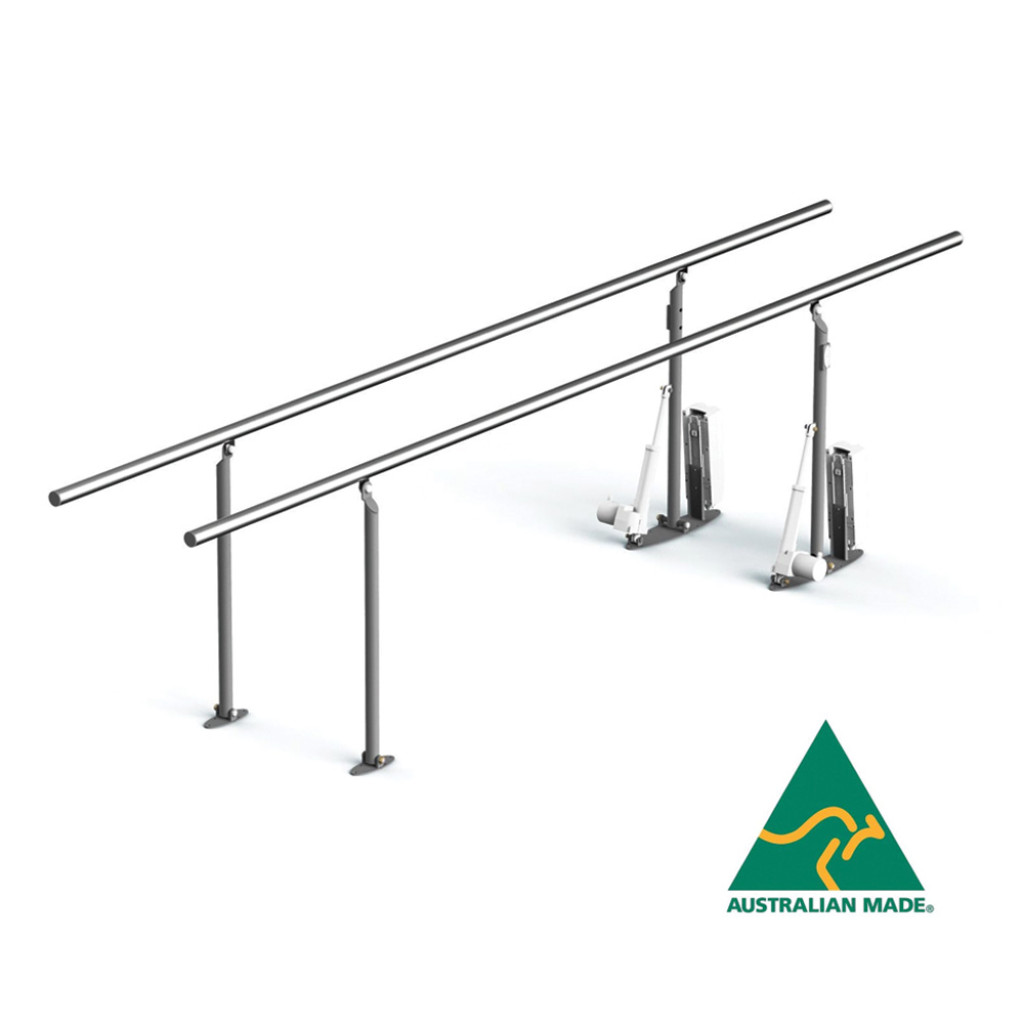
For gait training both the support of parallel bars and the guide rails allow patients to relearn correct walking mechanics and coordination. It can be a stepping stone to canes or walking frames.
Having the support of the parallel bars there in case of falls, or just to hold them up, gives patients great confidence. Knowing they won’t fall can make them fearless in getting their feet back under them and walking.
Gait rehabilitation is needed for a variety of reasons with patients:
Together, GAITRite and parallel bars provide a solid foundation for gait rehabilitation with all patients. The parallel bars provide a safe and secure place for a patient to relearn how to walk again, get their gait back. And GAITRite can provide accurate data on how much progress a patient is making after each session.
These two pieces of equipment, working in tandem with each other, gives patients confidence. They can see progress and become heartened by knowing they are making improvements every day. There is always the problem of patients not feeling like they’re making progress. A lot of physical therapy and not feeling like you’re taking any steps forward. But with the accurate reporting capabilities of GAITRite, you can show them even the smallest improvements, which can lift their spirits.
| Feature | Parallel Bars | GAITRite |
|---|---|---|
| Primary Function | Physical support and safety | Pure analysis and assessment |
| Goal | Rebuilding strength and balance | Measuring and tracking gait quality |
| Patient benefit | Fear reduction, weight-bearing training | Accurate feedback on rehabilitation |
| Clinical benefit | Controlled, safe environment | Accurate data-driven care |
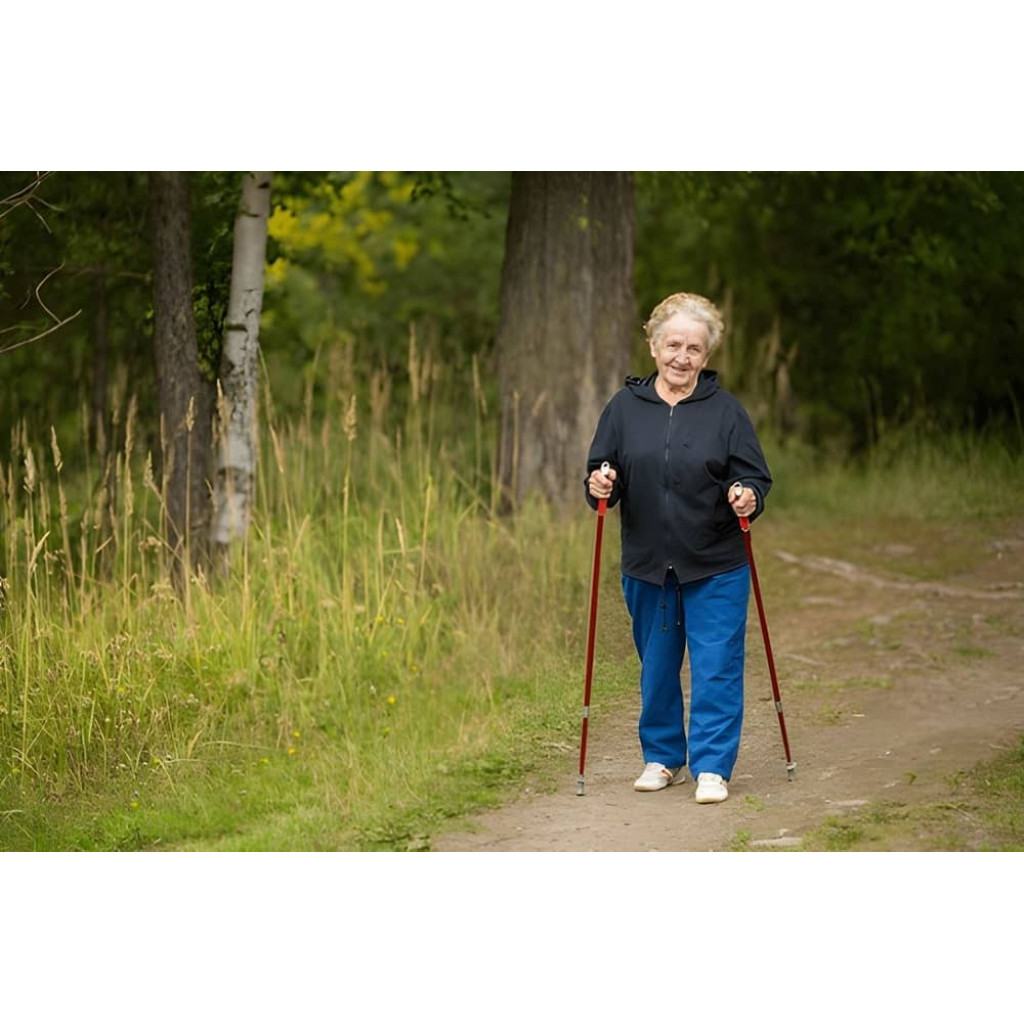
Being unable to walk can feel like you’re trapped. The ability to get up and go for a walk whenever you want is often taken for granted, so when it is ripped from you, it can be deeply distressing. Luckily you can give patients optimism and hope with the combination of parallel bars to strengthen and get them walking again, and use GAITRite to accurately show them the progress they’re making in regaining their ability to walk.
Access Health has the top brands for parallel bars and GAITRite equipment, plus a whole host of other physical therapy and daily living wellness gear to improve people’s physical and mental health. If you want the best equipment for your clinic or to help any patients under your care, contact us today so we can begin their journey to recovery.
It is used across a wide range of conditions including stroke, Parkinson’s disease, spinal cord injury, hip and knee replacements, neurological disorders, and age-related balance impairments.
Yes. Access Health stocks the GAITRite Platinum Plus System in multiple sizes, available to enquire about or order through their website at accesshealth.com.au.
The GAITRite Platinum Plus System is available in various lengths to suit different clinical environments and space requirements.
A standard gait assessment using GAITRite typically takes only a few minutes, making it a practical and time-efficient tool for busy rehabilitation settings.
No special preparation is required. The patient simply walks along the mat at their normal pace, with or without assistive devices, while the system captures their gait data automatically.
Yes, GAITRite can be used while a patient is walking with assistive devices, making it versatile across all stages of rehabilitation.
Parallel bars are primarily designed for clinical and rehabilitation facility settings, though some compact models may be suitable for home environments depending on space and patient need.
As strength, balance, and confidence improve, clinicians typically transition patients from parallel bars to walking frames, crutches, walking sticks, and eventually independent ambulation.
Access Health is a registered NDIS provider, and some parallel bar equipment may be eligible for NDIS funding depending on the individual’s plan and assessed needs. Contact Access Health directly for guidance.
Access Health is an Australian supplier of medical aids and rehabilitation equipment, serving physiotherapists, occupational therapists, hospitals, rehabilitation facilities, and individuals across the country.
Yes. Access Health is a registered NDIS provider, and customers can download the NDIS Order Form directly from their website.
Yes. Access Health offers a dedicated Rehab Room Set-up Checklist on their website to help clinicians identify the equipment they need when establishing a new rehabilitation space.
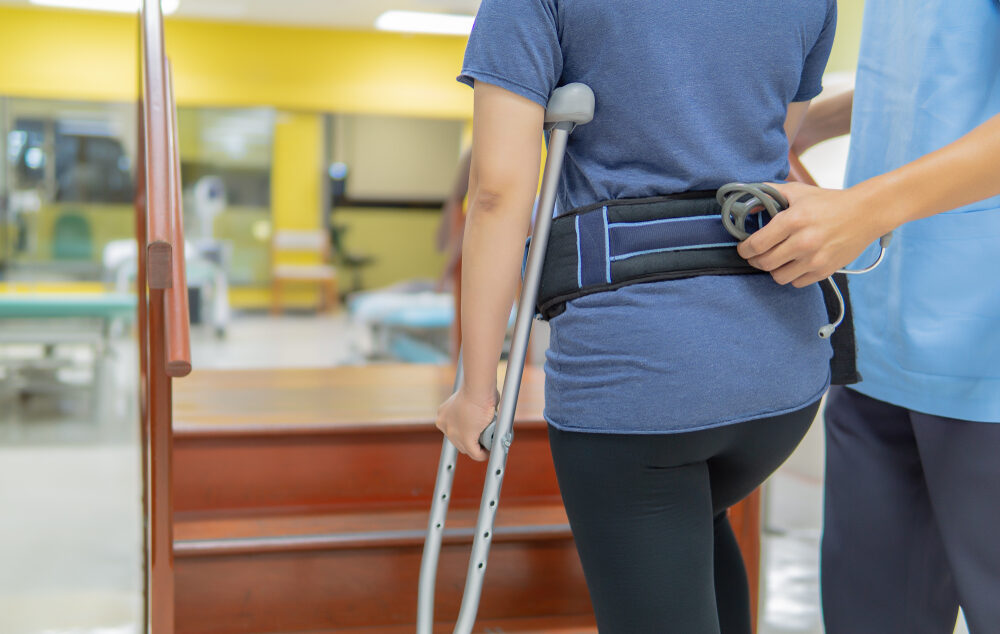
Suppose you have a loved one who has experienced an accident resulting in an injury or a long-term illness that affects your ability to walk. In that case, Rehabilitation Stairs are one of the modalities used to help improve that person’s condition over time. Rehab stairs are a common product used by physiotherapists in facilities […]
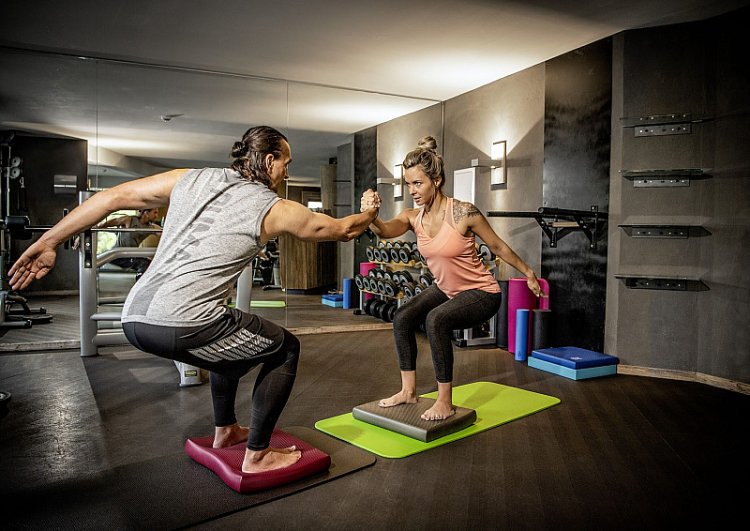
Are you investing time in physiotherapy or personal training? If so, you might have looked into fitness or rehabilitation mats such as the Airex Corona Mats. Designed as a movement therapeutic aid, Airex Corona Mats can be used in physiotherapy clinics and at home. These mats are an excellent way to restore motor skills, balance, […]
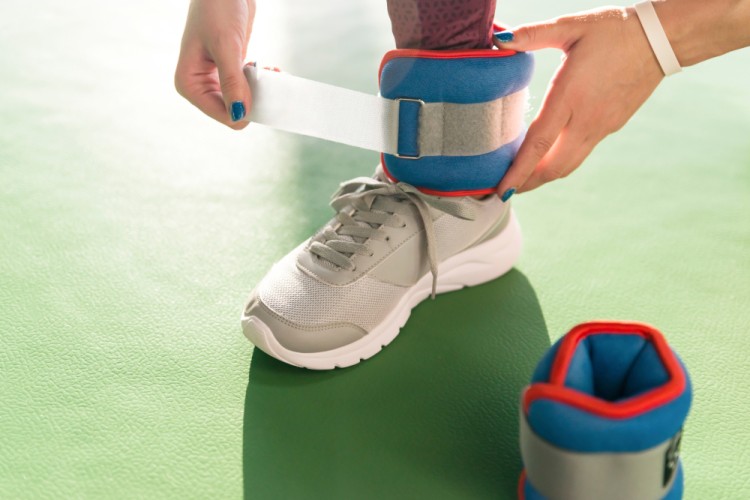
You may have seen ankle cuff weights in a pilates class, strapped onto a passing runner, or as a part of a friend’s strict fitness regimen. But did you know they are also commonly used in physical therapy? Ankle cuff weights, also known as ankle exercisers, are an indispensable tool in physical therapy to assist […]

Physical conditions and injury can reduce quality of life. Daily activities such as dressing, grooming, and household chores require coordination and strength, and resistance bands add gentle resistance for improving muscles over time. This article will explore resistance bands, their uses, and how rehabilitation centres and health professionals can support patient rehabilitation in balance, muscle […]
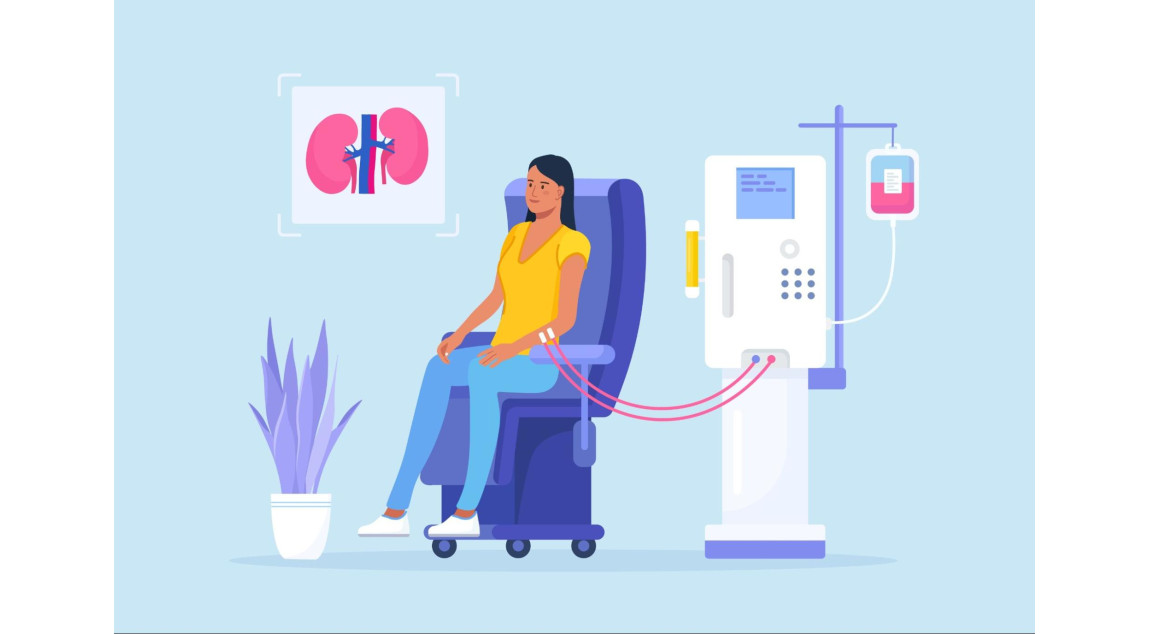
When undergoing dialysis treatment, the comfort of patients comes first. Dialysis takes over the role of the kidneys in cleansing the blood. As these sessions can take several hours, a dialysis couch is an essential piece of equipment supporting patients’ and providers’ health and safety. Whether you’re a healthcare provider, patient, or caregiver, dialysis couches […]
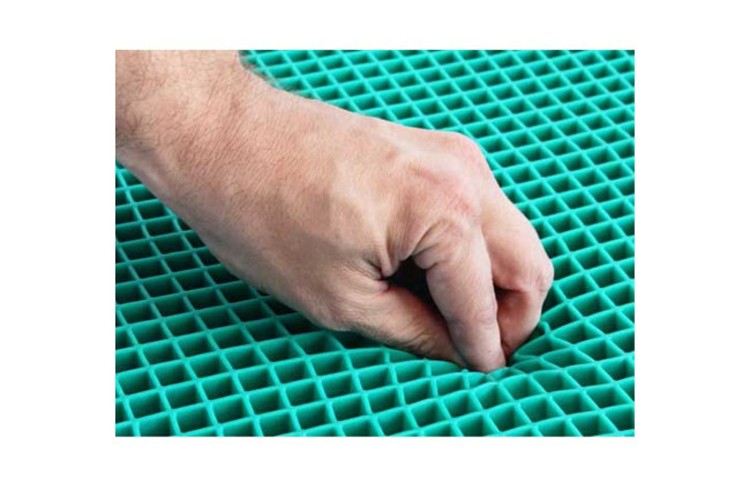
If you have an injury or medical condition limiting your mobility or activity levels, it is important to prevent pressure injuries or sores. This is especially true if you are elderly and more susceptible to health issues. Excessive pressure on one part of the body restricts blood flow and causes tissue damage, skin breakdowns, or […]

According to Health Direct, pressure sores–also known as ulcers, bed sores, or decubitus ulcers–develop when the skin is damaged by constant pressure or friction. Painful and uncomfortable pressure sores can form when patients are confined to a bed or wheelchair due to disability, illness, age, or frailty. This creates sleep disturbances and infections and affects […]
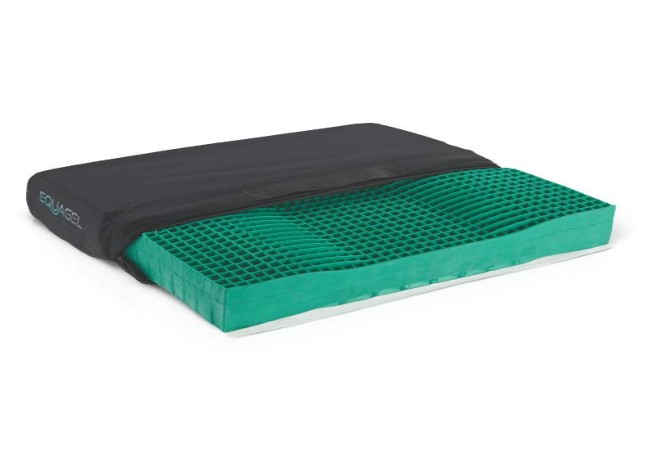
Innovative pressure cushions are critical to patient care and well-being. According to Mayo Clinic, pressure sores–also known as pressure ulcers or bed sores–damage the skin and the tissue underneath. If you have a medical condition that prevents you from moving or changing positions, this increases your risk. This blog will explore pressure sores, the types […]
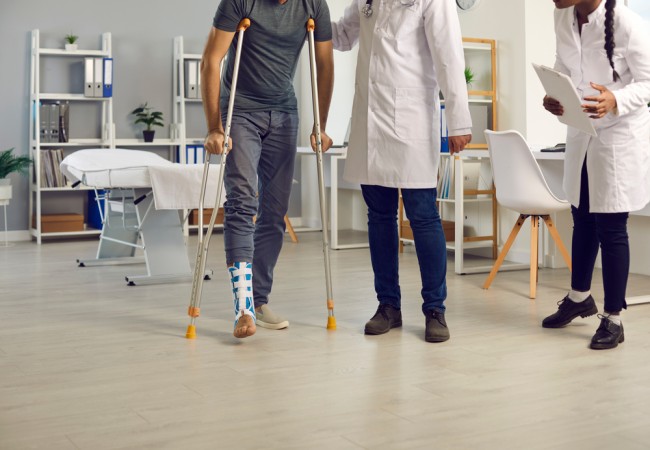
If you’ve struggled with an injury or need to recover post-surgery, using ankle equipment for an exercise conditioning program can help. Correct rehabilitation supports the patient’s return to normal activities and an active, healthy lifestyle–such as sports and recreational activities–without the added stress of recovery setbacks. This article will highlight the key benefits of using […]
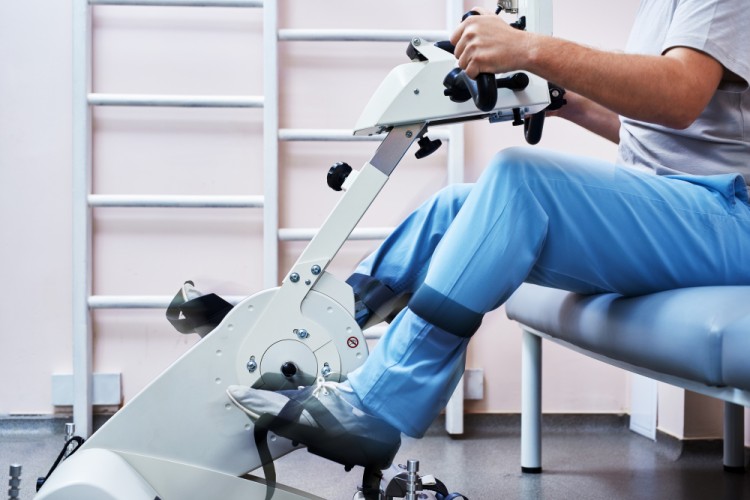
Although exercise bikes are a great choice for anyone wanting to improve fitness levels, they are also excellent for injury prevention and rehabilitation. According to this journal by the National Library of Medicine, in a 16-week aerobic exercise program using bikes, there was improved agility, flexibility, muscular endurance, strength, and cardiopulmonary endurance in female middle […]


