 Login / Register
  Cart
Cart
 Quote
Quote
 Wishlist

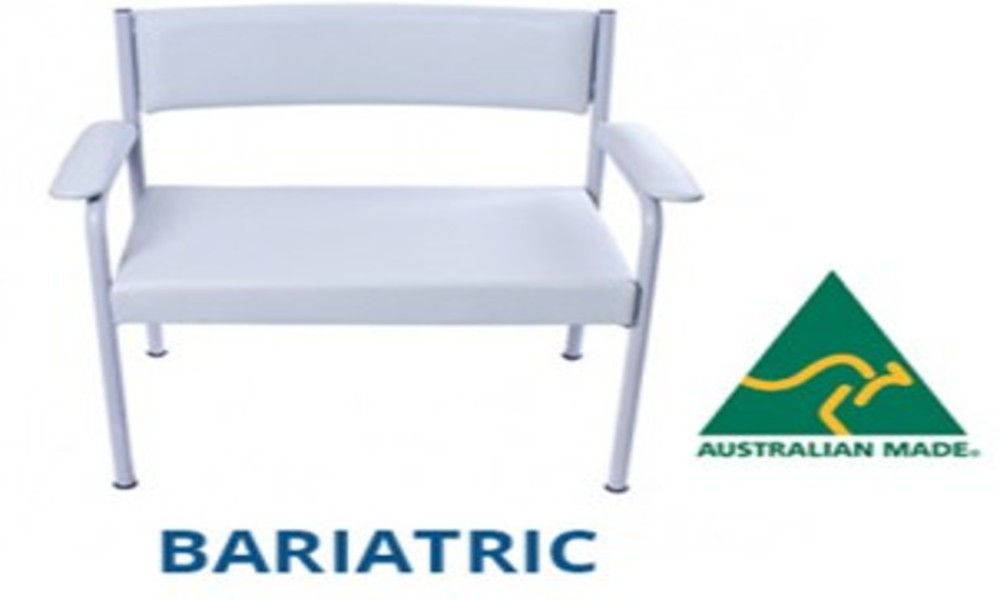
Prioritising the dignity, safety and comfort for all patients is a standard in modern healthcare, including for those with larger body sizes or bariatric needs. Standard seating often fails to provide the necessary support for some patients, which can lead to discomfort, reduced accessibility, and safety risks during everyday activities such as sitting or bathing
For these reasons, bariatric seating plays a crucial role in modern care. In this blog, we’ll explore six reasons why bariatric chairs are so important in healthcare settings and how our range of Bariatric Comfort Chairs and Bariatric Shower Chairs can help meet patient needs.
All healthcare settings, whether it’s a sprawling hospital or a small private clinic, need to be able to safely serve a wide range of people. Patients can come in different sizes, body types and mobility levels, and many require more than what conventional chairs can safely provide. For individuals who are larger, who have reduced mobility or who are undergoing bariatric care, standard seating can be uncomfortable and unstable to use.
The bariatric chairs from Access Health are designed specifically to meet these needs. The generous seat width and load capacity of our bariatric seating options mean that patients are not forced into unsuitable furniture while being treated.
Safety is one of the most important considerations in healthcare furniture. When chairs are inadequate for a patient’s size or weight, there is an increased risk of tipping, collapsing or placing strain on both patient and staff during transfers. Bariatric chairs significantly reduce these risks.
For example, the bariatric variant of the King Comfort Kingston Low Back Chair, with its 650mm width and 400kg safe working load, provides a stable seating platform for heavier patients.
In addition, many bariatric chairs include features that assist with transfers, including wider seats, reinforced frames and adjustable heights. These characteristics support safer positioning and standing, helping reduce manual handling injuries among care staff.
For patients who spend extended periods seated during treatment, recovery or daily living, appropriate seating is essential for their well-being. Ill-fitting chairs can cause pressure points, poor posture and even skin damage and sores if the design is particularly unsuitable.
Our bariatric chairs are purpose-built with comfort and accessibility in mind. Adjustable height options, such as those in the Knight Comfort Kingston Mid Back Chair, allow the chair to be tailored to the individual.
This contributes to better posture, greater stability and a more dignified experience. Patients who might otherwise struggle with standard seating are able to sit and rise comfortably, which can help to restore independence and confidence.
Healthcare involves more than clinical treatment. Maintaining hygiene and independence with daily tasks is vitally important, especially for individuals with reduced mobility. Bariatric shower chairs play an essential role in making this possible.
The Shower Chair, Safe Working Load 200kg is specifically designed for safe, comfortable showering. It features height adjustability, raised armrests to assist with sitting and standing, slip-resistant feet for stability and a lightweight frame that supports safe manual handling.
Showering can be one of the most challenging daily activities for many users. A sturdy and reliable bariatric shower chair allows individuals to maintain their hygiene with dignity and minimise their risk of slips or falls, which is vital in both healthcare and home care environments.
Care staff are frequently required to assist patients in sitting, standing, bathing or repositioning. Without appropriate support equipment, these tasks can place significant strain on staff and increase the risk of injury–but bariatric chairs greatly reduce this burden.
Stronger frames, increased weight capacities and wider dimensions make bariatric chairs far safer for assisted transfers. Staff can support patients with confidence, and the risk of manual handling injuries is significantly reduced.
These adjustable features also help staff tailor the chair to suit different patients, promoting efficient and ergonomic care delivery.
Beyond their practical benefits, bariatric chairs convey an important message. They demonstrate that the healthcare environment is inclusive and respectful of all body types. When hospitals, clinics and aged care homes provide appropriate seating, patients feel recognised and valued.
Offering bariatric seating means that individuals who might struggle with standard furniture are not excluded or left with inadequate support. This commitment to dignity and equity is central to high-quality, patient-centred care.
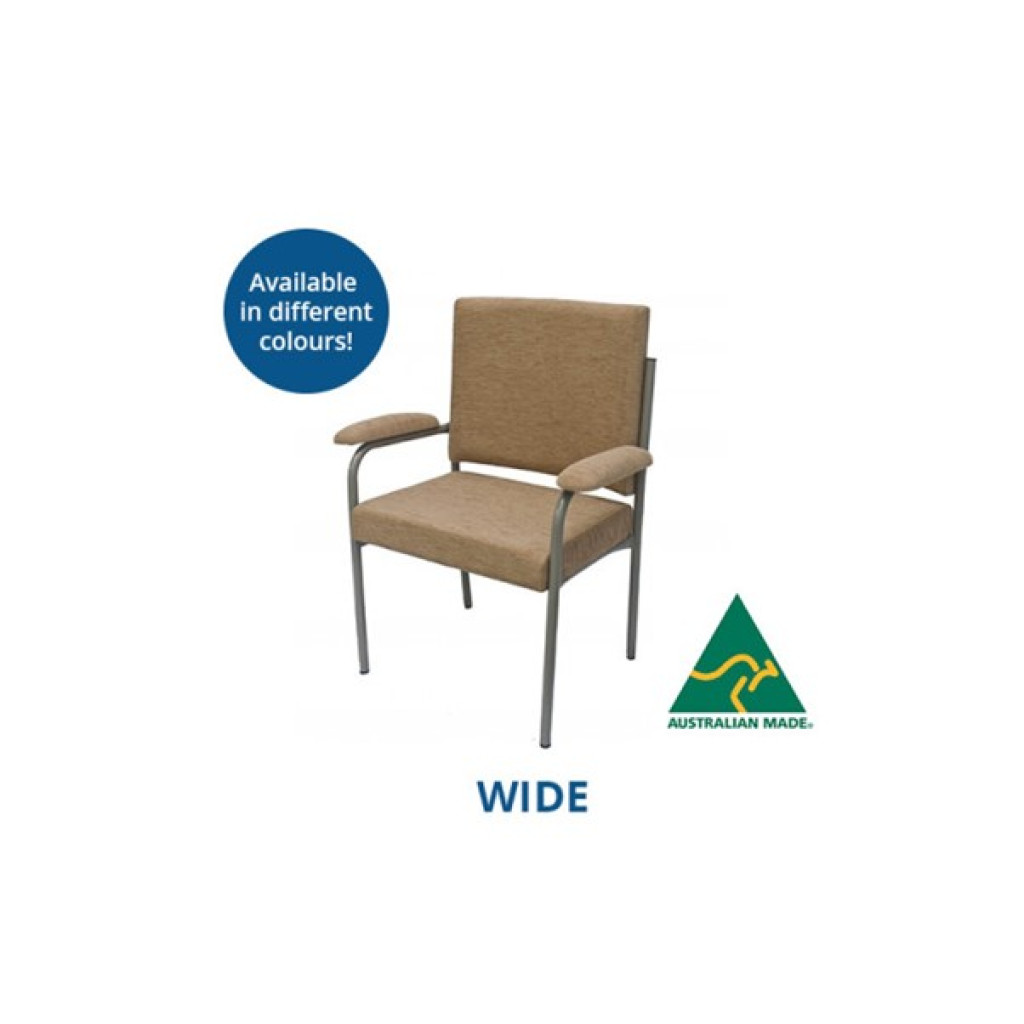
Source: Access Health Knight Comfort Kingston Mid Back Chair – Adjustable Height
Seating is often overlooked in healthcare design, yet it plays a fundamental role in patient comfort, safety, mobility and dignity. Bariatric chairs should not be considered optional extras used only for a small group of patients–they are essential infrastructure for providing inclusive and respectful care.
By offering appropriately sized, reinforced and adjustable seating and shower equipment, care providers ensure that patients receive the comfort and safety they deserve.
At Access Health, we are proud to supply a bariatric product range that meets the real needs of patients and care staff, and that reflects our commitment to safety and equality in healthcare.
At Access Health, our commitment extends well beyond comfort chairs and shower aids. We offer a broad range of equipment and medical supplies designed to support healthcare providers, carers,and patients across a variety of needs and care settings.
For clients with bariatric care requirements, our product range includes:
In addition to bariatric-specific equipment, we supply a wide array of medical and allied-health products, from daily living and mobility aids to pressure-care solutions, rehab and physiotherapy equipment, treatment couches and patient handling products.
Whether you are selecting equipment for a hospital, aged-care facility, rehabilitation centre or home-care environment, our catalogue is designed to help deliver high-quality care for all patients–including those with bariatric needs.
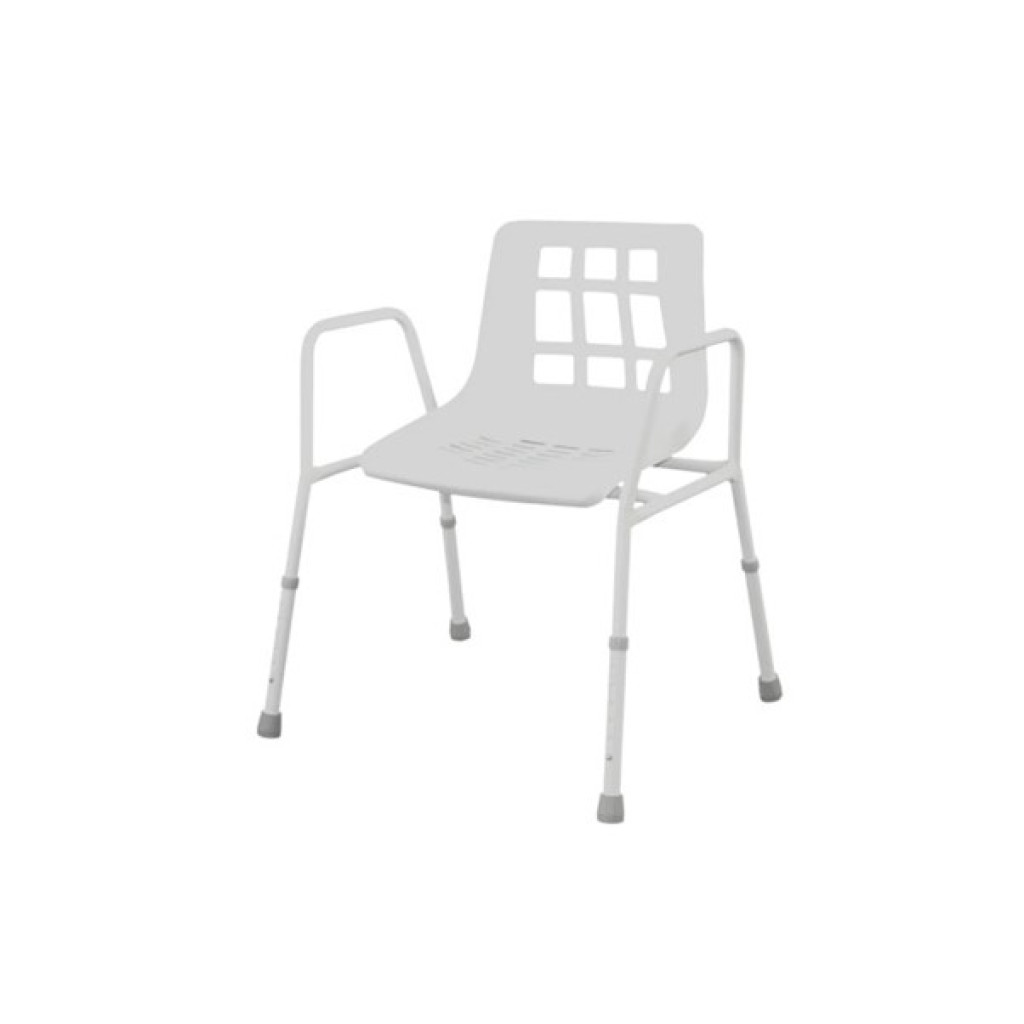
Source: Access Health Shower Chair – SWL 200kg
If you’d like advice on which bariatric products best suit your facility or patient needs, or you have questions about sizing, safe working loads or delivery, our friendly and experienced team at Access Health is ready to assist.
Contact us by:
We pride ourselves on having over four decades of experience in supplying high-quality medical equipment across Australia, supporting hospitals, aged care, rehabilitation centres, community health services and home-care providers alike.
If you are looking for reliable, robust bariatric solutions, Access Health is here to provide the equipment you need.
Disclaimer: Access Health is not qualified to agree or deny whether this content is correct. For accurate information, consult your medical professional or provider.
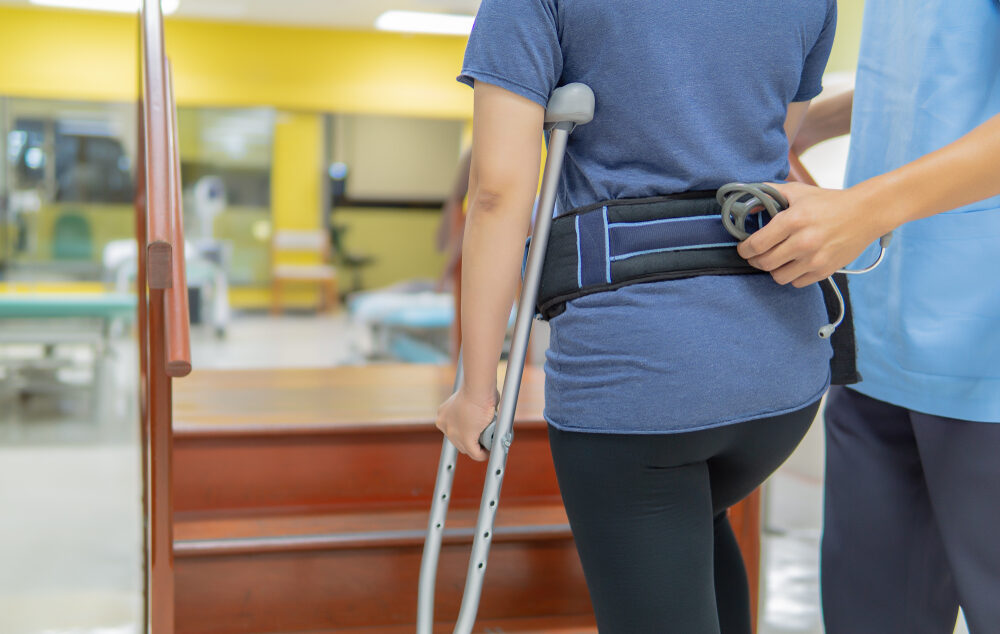
Suppose you have a loved one who has experienced an accident resulting in an injury or a long-term illness that affects your ability to walk. In that case, Rehabilitation Stairs are one of the modalities used to help improve that person’s condition over time. Rehab stairs are a common product used by physiotherapists in facilities […]
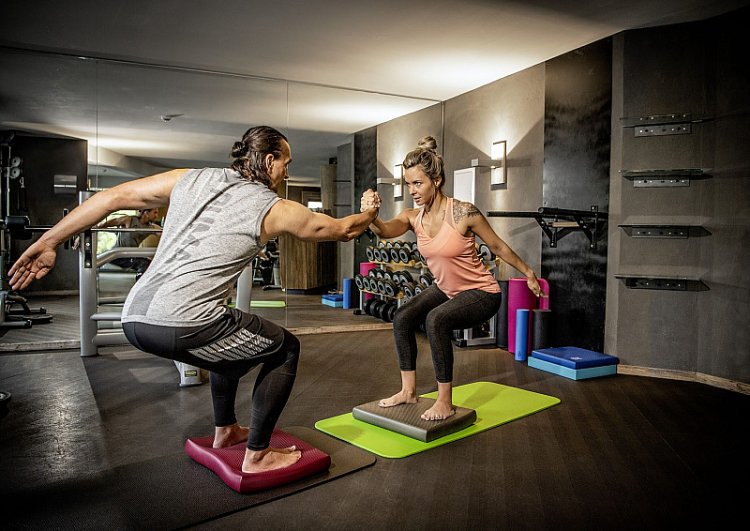
Are you investing time in physiotherapy or personal training? If so, you might have looked into fitness or rehabilitation mats such as the Airex Corona Mats. Designed as a movement therapeutic aid, Airex Corona Mats can be used in physiotherapy clinics and at home. These mats are an excellent way to restore motor skills, balance, […]
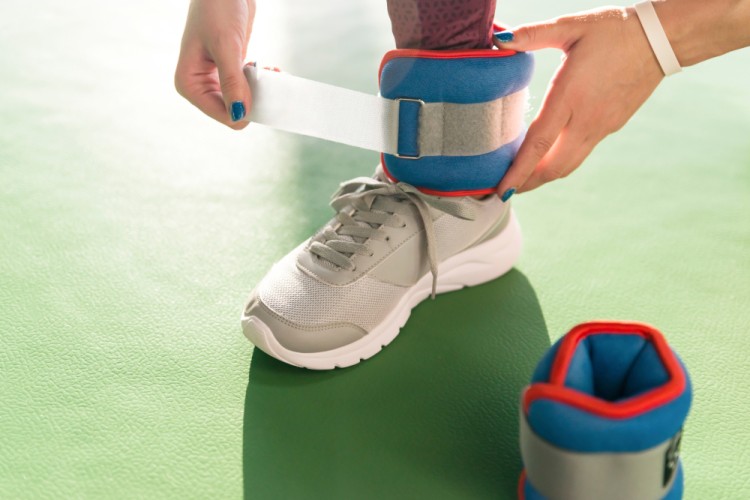
You may have seen ankle cuff weights in a pilates class, strapped onto a passing runner, or as a part of a friend’s strict fitness regimen. But did you know they are also commonly used in physical therapy? Ankle cuff weights, also known as ankle exercisers, are an indispensable tool in physical therapy to assist […]

Physical conditions and injury can reduce quality of life. Daily activities such as dressing, grooming, and household chores require coordination and strength, and resistance bands add gentle resistance for improving muscles over time. This article will explore resistance bands, their uses, and how rehabilitation centres and health professionals can support patient rehabilitation in balance, muscle […]
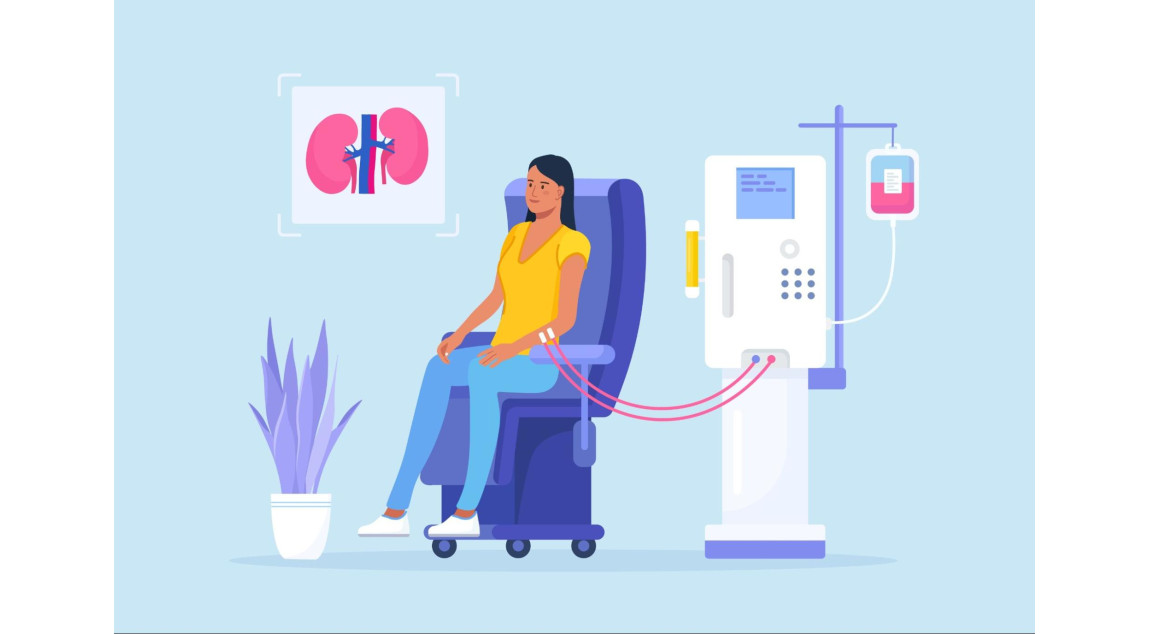
When undergoing dialysis treatment, the comfort of patients comes first. Dialysis takes over the role of the kidneys in cleansing the blood. As these sessions can take several hours, a dialysis couch is an essential piece of equipment supporting patients’ and providers’ health and safety. Whether you’re a healthcare provider, patient, or caregiver, dialysis couches […]
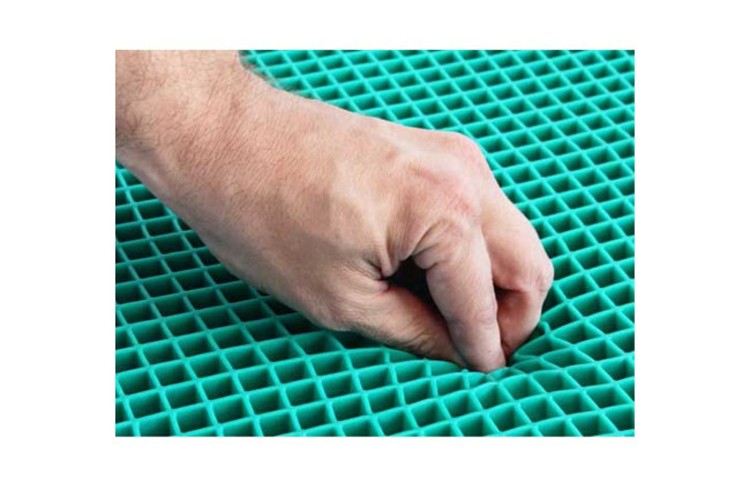
If you have an injury or medical condition limiting your mobility or activity levels, it is important to prevent pressure injuries or sores. This is especially true if you are elderly and more susceptible to health issues. Excessive pressure on one part of the body restricts blood flow and causes tissue damage, skin breakdowns, or […]

According to Health Direct, pressure sores–also known as ulcers, bed sores, or decubitus ulcers–develop when the skin is damaged by constant pressure or friction. Painful and uncomfortable pressure sores can form when patients are confined to a bed or wheelchair due to disability, illness, age, or frailty. This creates sleep disturbances and infections and affects […]
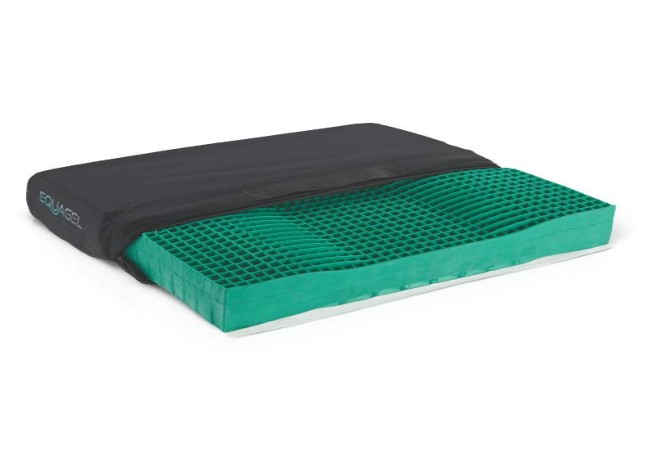
Innovative pressure cushions are critical to patient care and well-being. According to Mayo Clinic, pressure sores–also known as pressure ulcers or bed sores–damage the skin and the tissue underneath. If you have a medical condition that prevents you from moving or changing positions, this increases your risk. This blog will explore pressure sores, the types […]
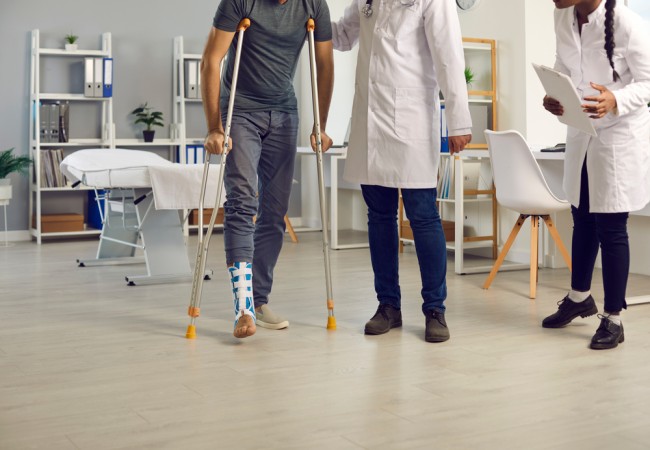
If you’ve struggled with an injury or need to recover post-surgery, using ankle equipment for an exercise conditioning program can help. Correct rehabilitation supports the patient’s return to normal activities and an active, healthy lifestyle–such as sports and recreational activities–without the added stress of recovery setbacks. This article will highlight the key benefits of using […]
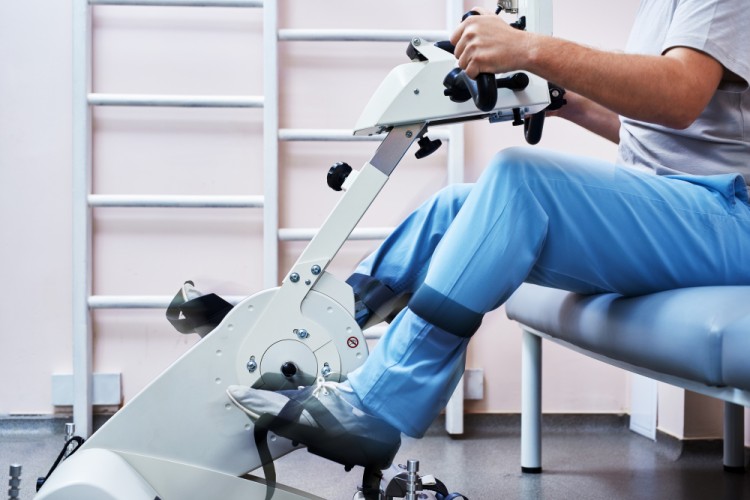
Although exercise bikes are a great choice for anyone wanting to improve fitness levels, they are also excellent for injury prevention and rehabilitation. According to this journal by the National Library of Medicine, in a 16-week aerobic exercise program using bikes, there was improved agility, flexibility, muscular endurance, strength, and cardiopulmonary endurance in female middle […]


