 Login / Register
  Cart
Cart
 Quote
Quote
 Wishlist

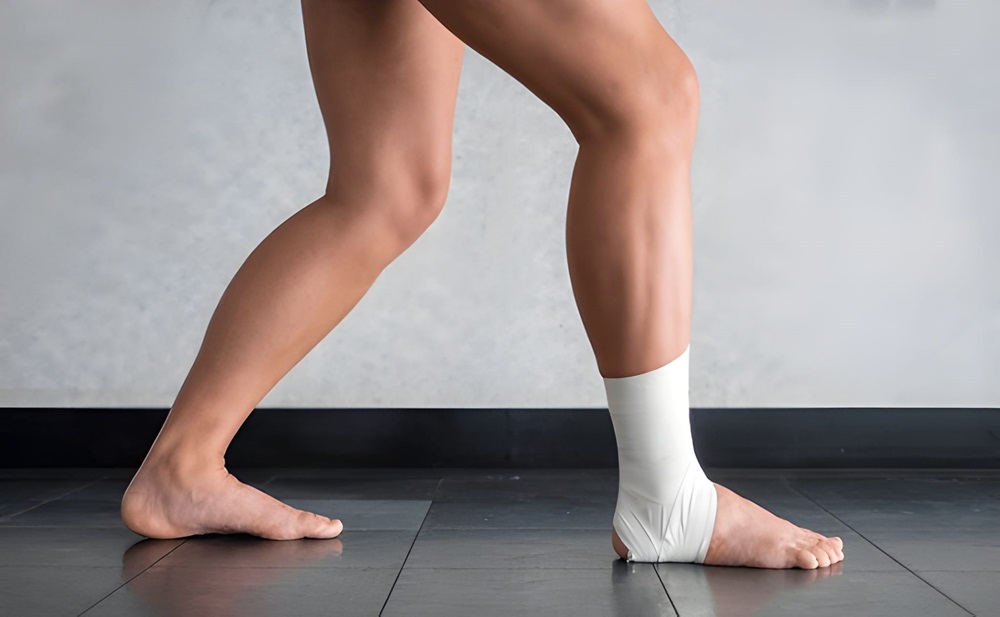
Plantar heel pain is one of the most common musculoskeletal disorders of the foot and ankle. The effectiveness of treatment used in clinical practice–such as calf stretching–is a good short-term treatment for heel pain.
When it comes to fitness, getting stronger legs, flexibility, and faster recovery, calf stretchers are a great tool for physical therapists looking for the best rehabilitation for their patients.
This article will outline the benefits of calf stretches for rehab and flexibility.
Do you have plantar fasciitis, bunions, or other foot problems? A calf stretcher is a specially-designed piece of equipment that lets you target (and elongate) the muscles in your calves, hamstrings, and Achilles tendon. Usually angled or slanted, it positions the foot in a way that supports deep, more sustained stretching for mobility.
Most people would have done a calf stretch before! Putting your arms on a wall, you lean towards it while keeping one leg bent in front, and the heel of a straight leg behind on the floor. That said, if you don’t have time to exercise or have limited mobility (from injury, illness, or aging), a calf stretcher is good to add to your daily routine.
According to this article by the National Institute of Health, 92 participants improved over a period of two weeks of a stretching program. Calf stretching was a benefit in ‘first-step’ pain, foot function, foot pain or general foot health in comparison to not stretching at all.
So, how do they benefit rehabilitation?
Beginner-friendly, calf stretchers are also excellent for the experienced athlete. If you’ve hurt yourself and need rehabilitation, as a tool, a calf stretcher helps:
The calf stretcher improves gait and balance as you start standing and walking in a form that strengthens lateral hip muscles. Additionally, you’ll be adding a healthy load to your hip bones, removing pressure from the balls of your feet.
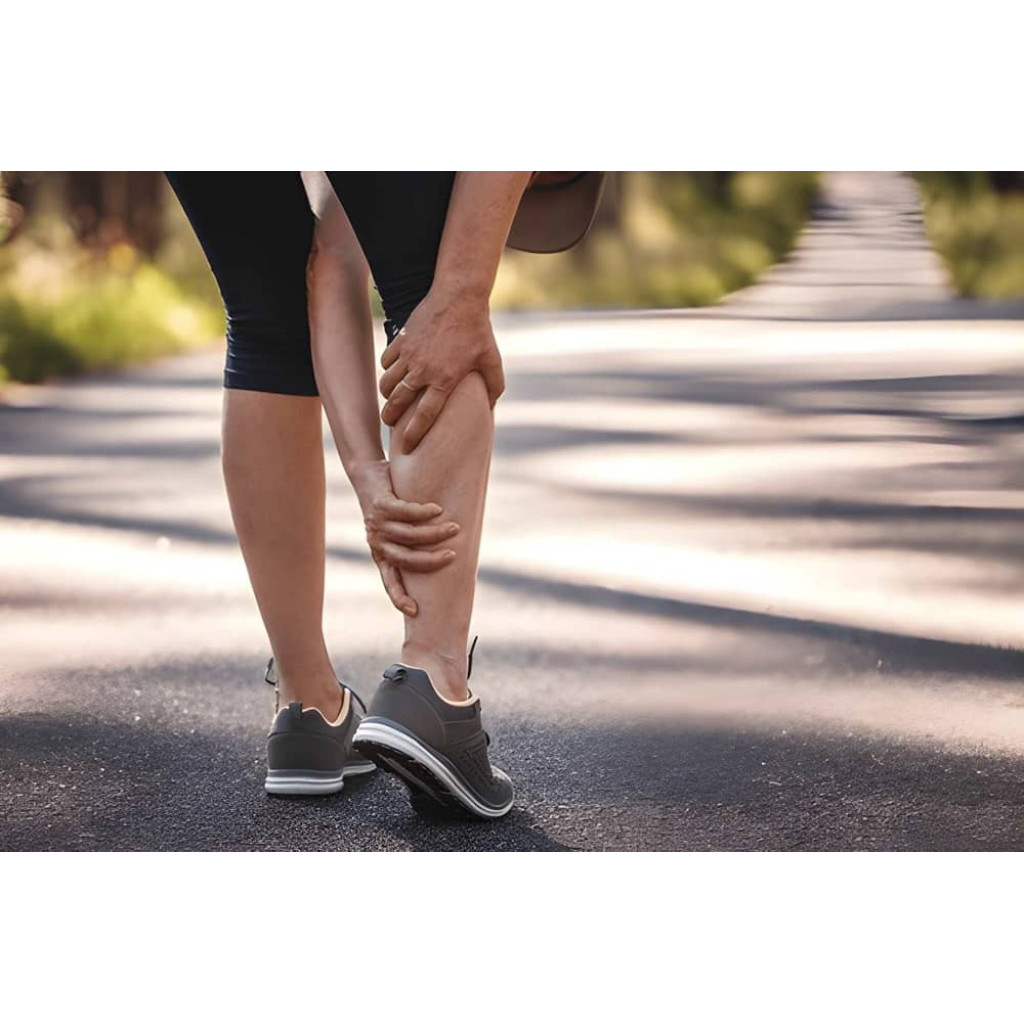
A calf stretcher used post-exercise increases blood circulation, flushes out lactic acid buildup, and reduces soreness. It also promotes faster recovery time and helps you be consistent with training. What can adding calf stretching do for your routine?
And if you struggle with back pain, adding a daily calf stretch better aligns the spine.
Tight calves are uncomfortable and hinder movement, so calve stretchers support more flexibility by:
When lower leg flexibility is enhanced, you can experience more fluid movements, which reduces strain on other joints and muscles, such as your hips or knees.
Read: A Beginner’s Guide to Using Rehabilitation Treadmills for Maximum Recovery.
Tight calves are a big culprit in lower leg injuries, such as shin splints. Calve stretchers lower the risk.
No matter what, injury prevention must be part of your plan, especially if you’re training for a marathon, for example.
One of the best things about a calf stretcher is that it’s lightweight, easy to store and perfect for home gyms, rehabilitation centres, and can even be taken to work to use under the desk.
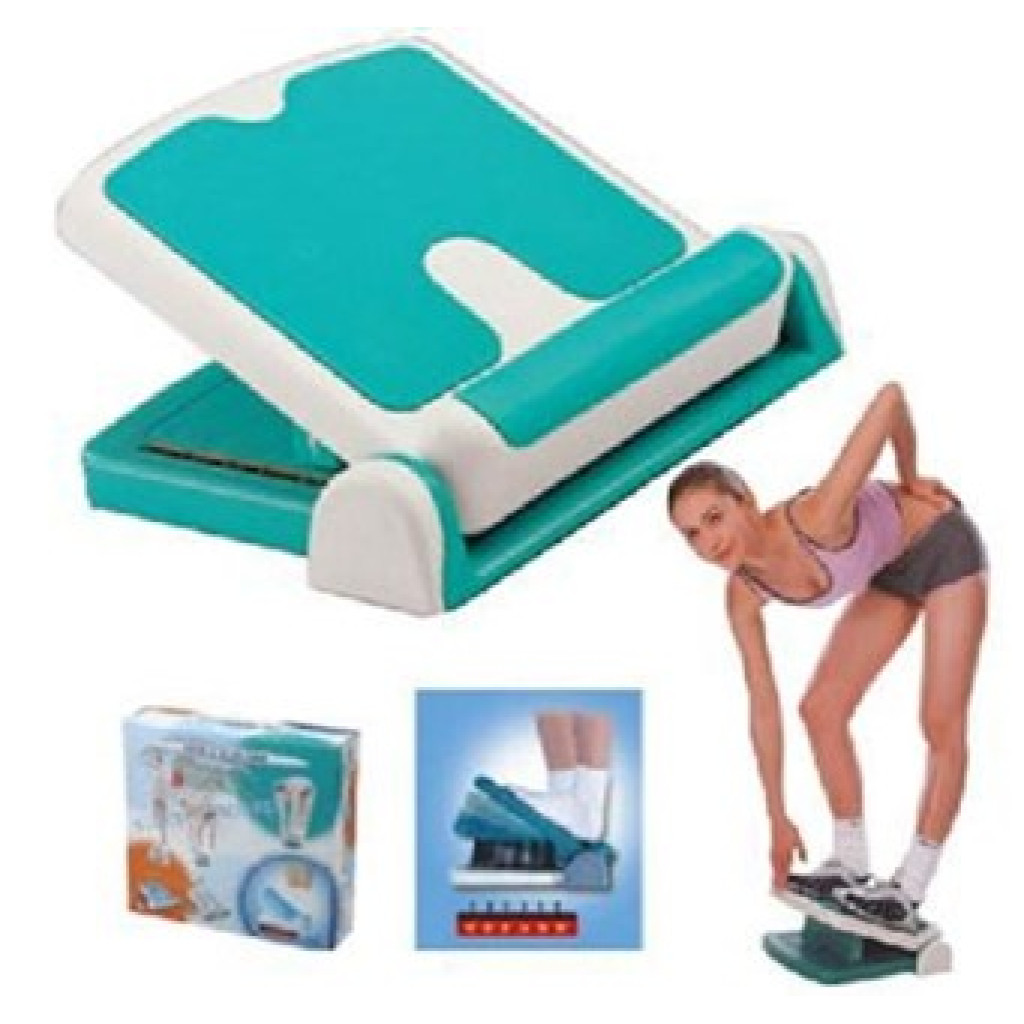
Compact and easy to use, the Access Stretch/Incline Board can be used for calf stretches of various degrees. It features:
It can also be used as a footrest underneath a desk or chair.
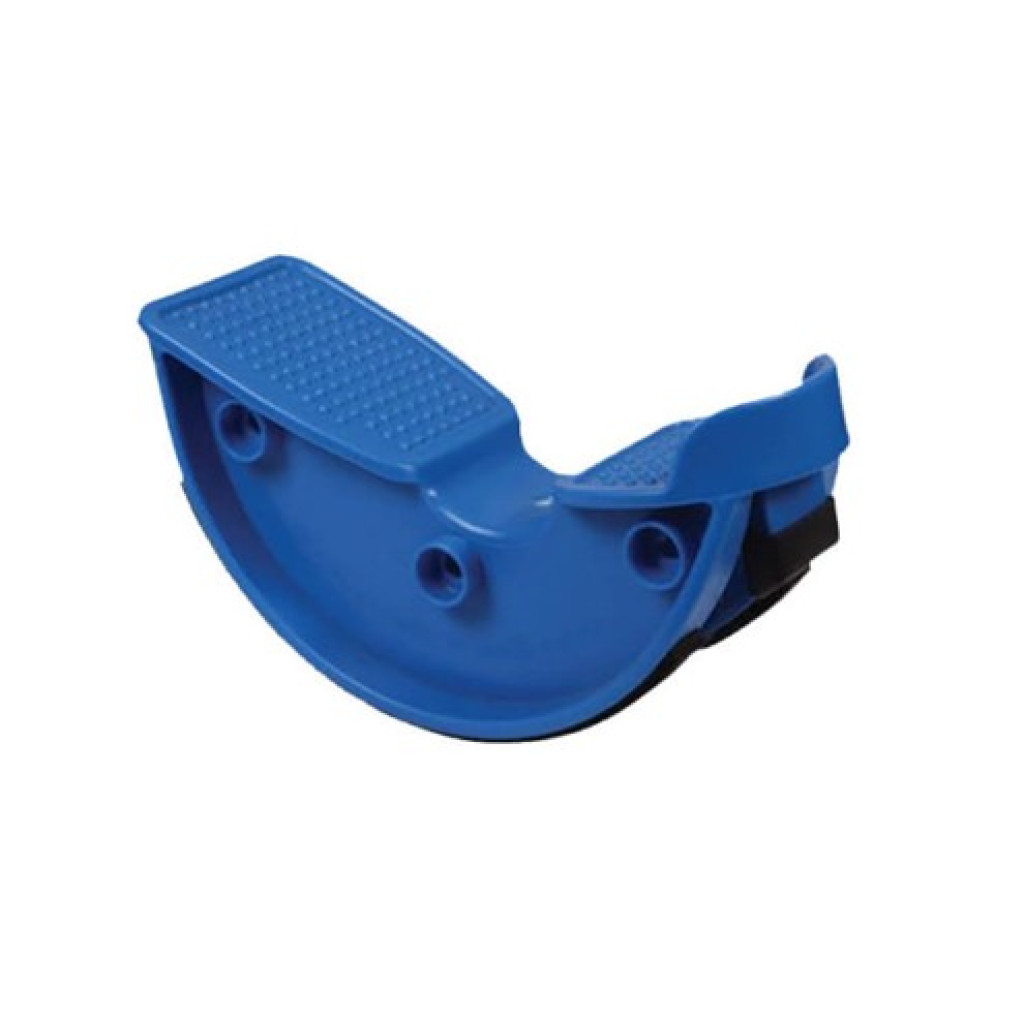
The Fit Stretch Flexibility Exerciser is a fantastic way to keep your lower leg as flexible as possible. Its portable design makes it ideal for use during warm-ups before exercise and cool-downs after exercise.
Muscle Improvement using the Fit Stretch helps to increase the flexibility of your ankle, shin and calf, making you nimbler and improving the effectiveness of your exercise regime. This also helps to reduce the risk of developing injuries to your lower leg, helping you to concentrate on your fitness.
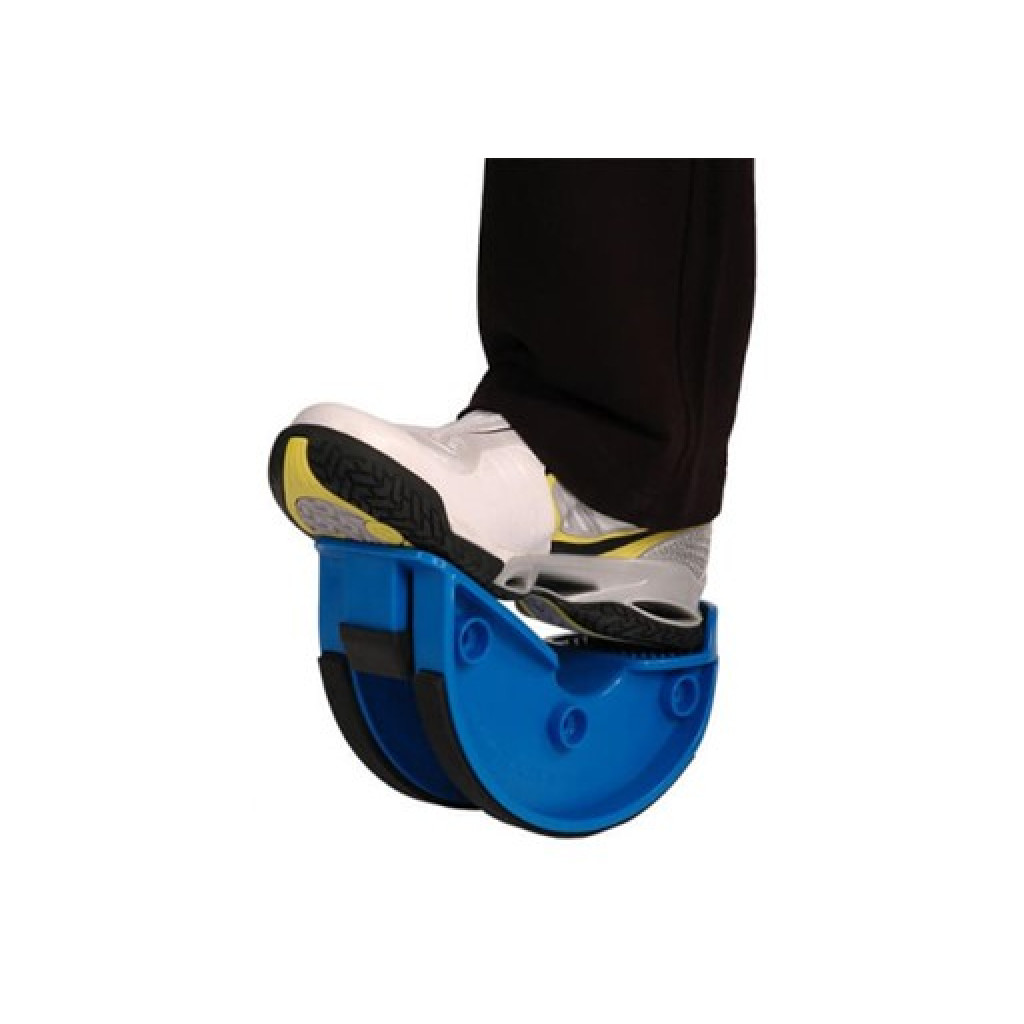
For dynamic stretching of the lower leg, turn to the Fit Stretch. Ideal for gently working the ankle, Achilles’ tendon, or calf muscle, especially after injury. Available in blue only.
The Fit Stretch comes in one universal size that should be suitable for most users.
Get a quote today!
You want to start slow. Place your foot onto the stretcher and gently lean forward until you feel a stretch in the back of your leg. Your feet must be parallel and hip-width apart (they will feel pigeon-toed).
For the front view, mid-ankles are in line with your ASIS (anterior superior iliac spine), which are the sticking-out points in front of your pelvis. For the side view, transfer the weight of your body mostly to your heels to align your hips with your knees and mid-ankles. It creates a vertical line between your hip bone and ankle bone.
Hold the position for around 30 seconds, then switch sides. Gradually increase the duration and intensity as your flexibility improves.
Read: Exploring the Top Advantages of Using an Arm Ergometer Machine.
If you’d like to know more about what rehabilitation equipment will work best for you, speak to us at Access Health.
Established in 1978, Access Health is still owned and operated by the same Australian family, growing into a major supplier of medical and rehabilitation equipment.
Supplying hospitals, private practices, aged care, on sellers, education facilities and members of the public, we pride ourselves on going that extra mile for our customers.
Offering quality products at reasonable prices with friendly customer service, we help with the purchase of one piece of equipment through to a complete rehab practice set-up. With ranges for all budgets, we have products to suit everyone’s individual needs.
Contact us if you need equipment for daily living and mobility, patient handling, bariatric, practice supplies, rehab and equipment, and more. Based in the eastern suburbs of Melbourne, we can deliver throughout Australia. We’re also certified to the ISO 9001 Quality Standards.
Disclaimer: Access Health is not qualified to agree or deny whether this content is correct. For accurate information, consult your medical professional or provider.
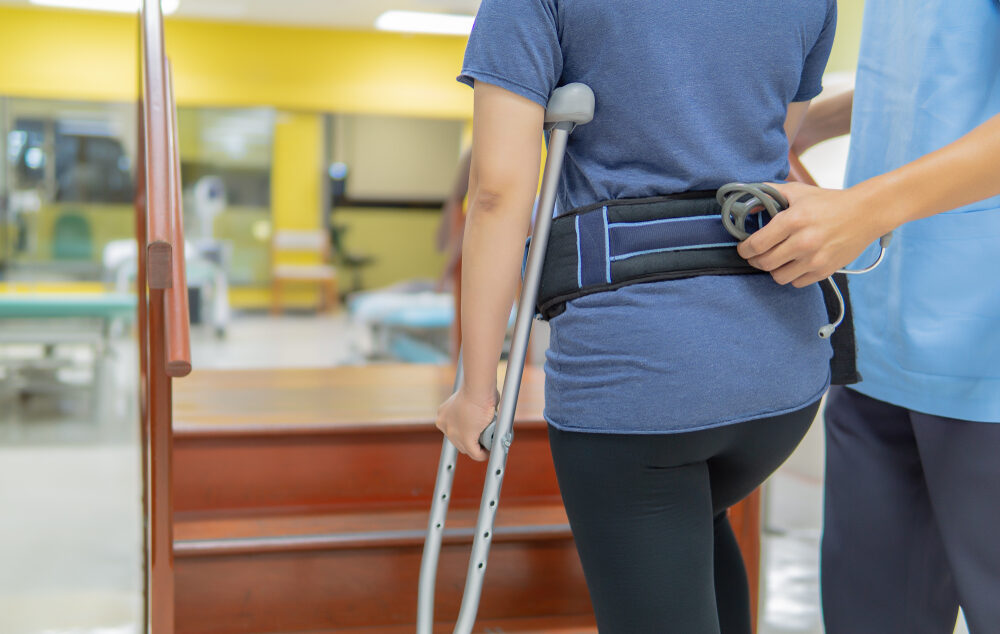
Suppose you have a loved one who has experienced an accident resulting in an injury or a long-term illness that affects your ability to walk. In that case, Rehabilitation Stairs are one of the modalities used to help improve that person’s condition over time. Rehab stairs are a common product used by physiotherapists in facilities […]
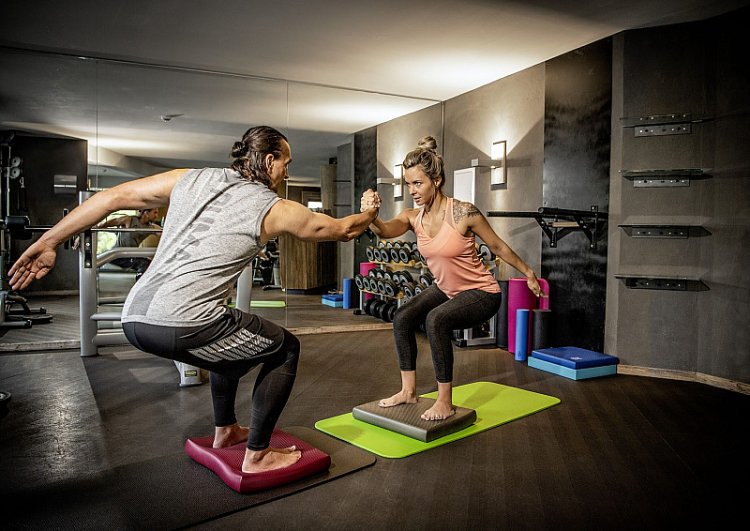
Are you investing time in physiotherapy or personal training? If so, you might have looked into fitness or rehabilitation mats such as the Airex Corona Mats. Designed as a movement therapeutic aid, Airex Corona Mats can be used in physiotherapy clinics and at home. These mats are an excellent way to restore motor skills, balance, […]
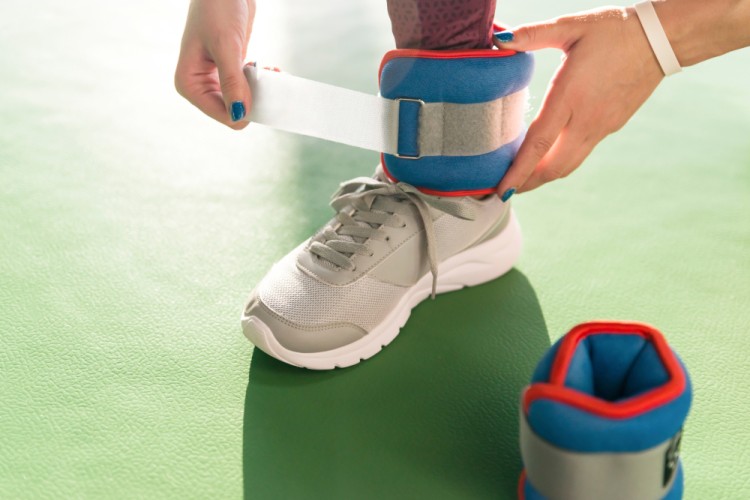
You may have seen ankle cuff weights in a pilates class, strapped onto a passing runner, or as a part of a friend’s strict fitness regimen. But did you know they are also commonly used in physical therapy? Ankle cuff weights, also known as ankle exercisers, are an indispensable tool in physical therapy to assist […]
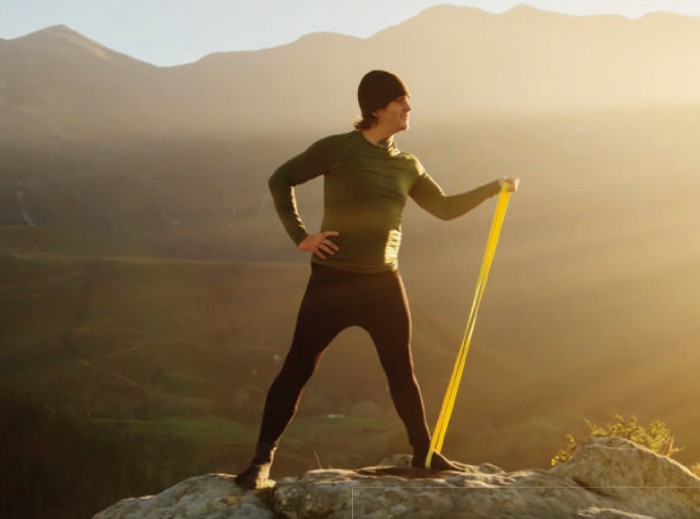
Physical conditions and injury can reduce quality of life. Daily activities such as dressing, grooming, and household chores require coordination and strength, and resistance bands add gentle resistance for improving muscles over time. This article will explore resistance bands, their uses, and how rehabilitation centres and health professionals can support patient rehabilitation in balance, muscle […]
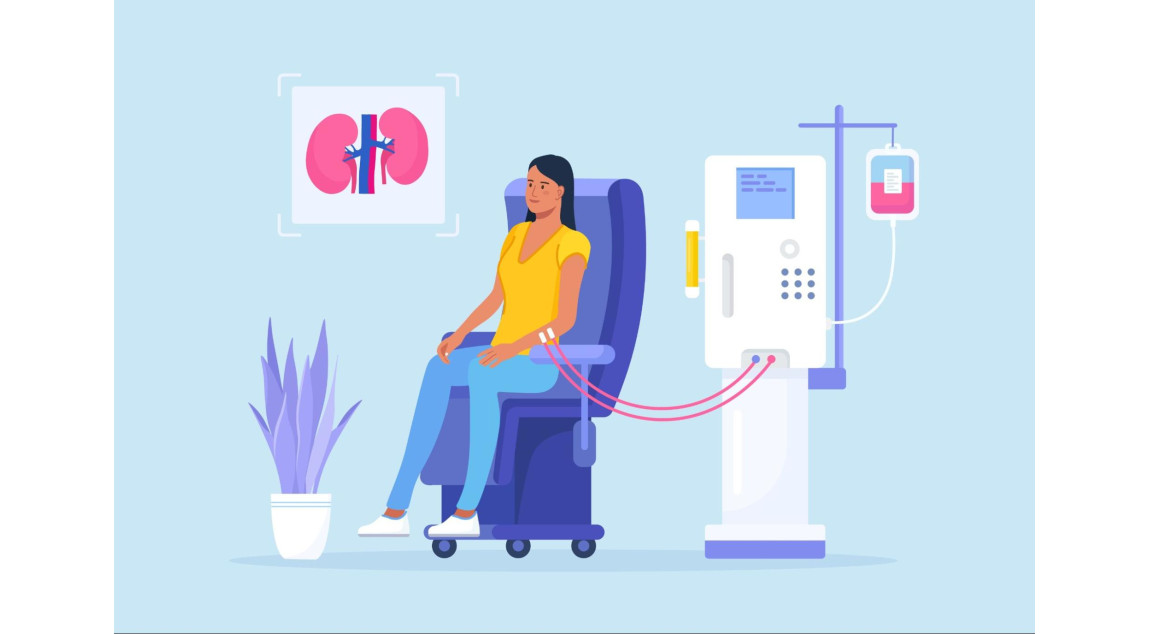
When undergoing dialysis treatment, the comfort of patients comes first. Dialysis takes over the role of the kidneys in cleansing the blood. As these sessions can take several hours, a dialysis couch is an essential piece of equipment supporting patients’ and providers’ health and safety. Whether you’re a healthcare provider, patient, or caregiver, dialysis couches […]
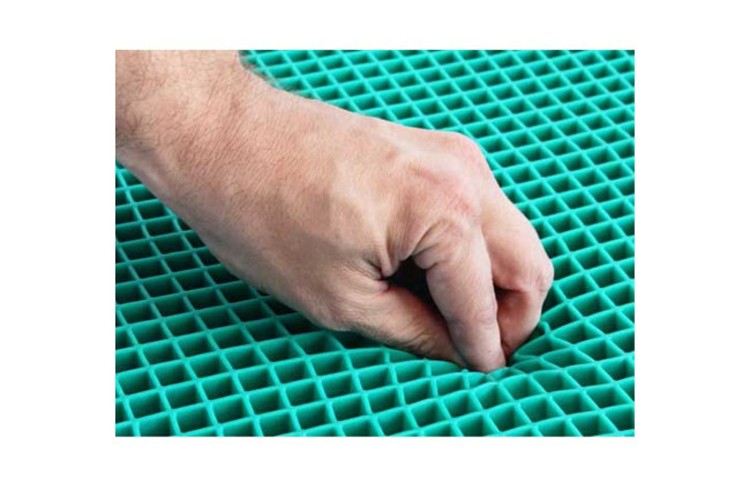
If you have an injury or medical condition limiting your mobility or activity levels, it is important to prevent pressure injuries or sores. This is especially true if you are elderly and more susceptible to health issues. Excessive pressure on one part of the body restricts blood flow and causes tissue damage, skin breakdowns, or […]
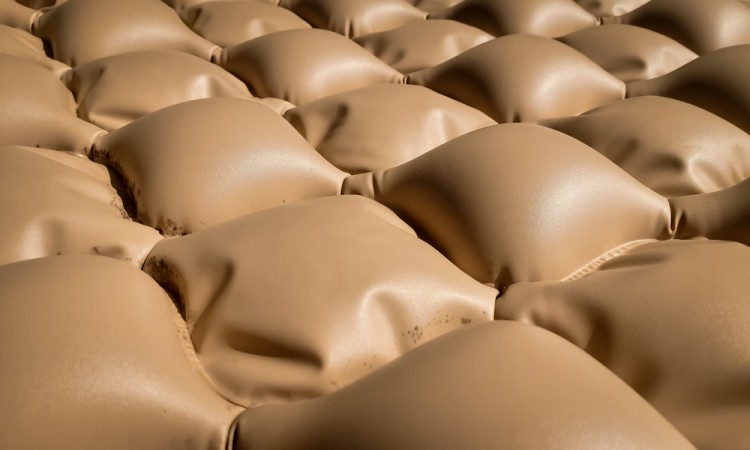
According to Health Direct, pressure sores–also known as ulcers, bed sores, or decubitus ulcers–develop when the skin is damaged by constant pressure or friction. Painful and uncomfortable pressure sores can form when patients are confined to a bed or wheelchair due to disability, illness, age, or frailty. This creates sleep disturbances and infections and affects […]
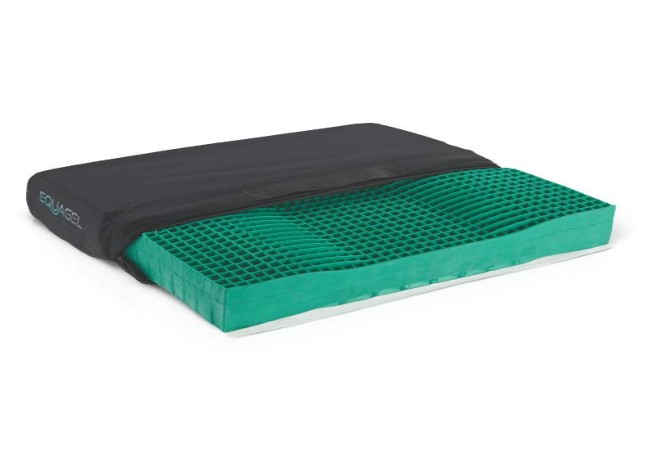
Innovative pressure cushions are critical to patient care and well-being. According to Mayo Clinic, pressure sores–also known as pressure ulcers or bed sores–damage the skin and the tissue underneath. If you have a medical condition that prevents you from moving or changing positions, this increases your risk. This blog will explore pressure sores, the types […]
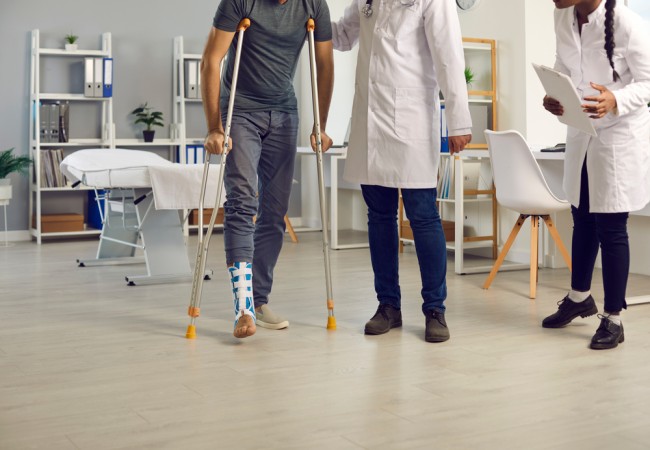
If you’ve struggled with an injury or need to recover post-surgery, using ankle equipment for an exercise conditioning program can help. Correct rehabilitation supports the patient’s return to normal activities and an active, healthy lifestyle–such as sports and recreational activities–without the added stress of recovery setbacks. This article will highlight the key benefits of using […]
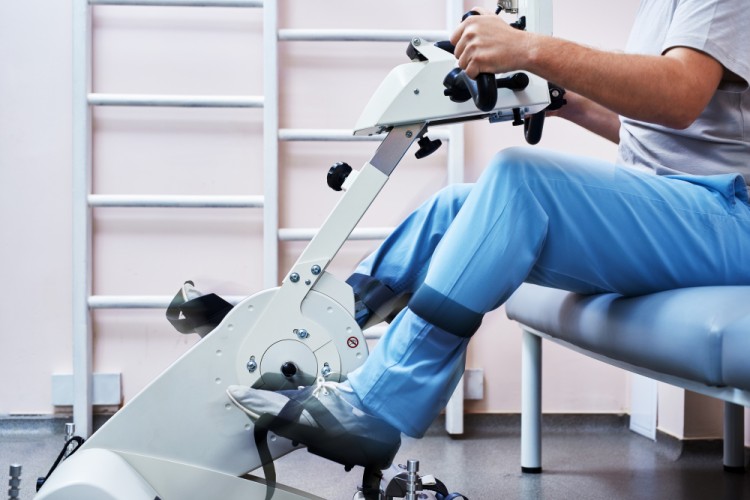
Although exercise bikes are a great choice for anyone wanting to improve fitness levels, they are also excellent for injury prevention and rehabilitation. According to this journal by the National Library of Medicine, in a 16-week aerobic exercise program using bikes, there was improved agility, flexibility, muscular endurance, strength, and cardiopulmonary endurance in female middle […]


